In this story
Introduction
Keeping your dog’s ears clean isn’t just about keeping them smelling fresh—it’s a vital part of their overall health and well-being. In Vancouver’s unique climate, with its damp springs and moist summers, dogs can be particularly prone to ear issues. As responsible dog owners here, understanding the right way to clean your dog’s ears can help prevent discomfort and potential infections. This guide provides practical, step-by-step advice tailored for Vancouver dog owners, covering everything from understanding your dog’s ear anatomy to knowing when to call the vet.
Why Ear Cleaning Matters
Dogs’ ears are surprisingly complex organs. Unlike humans, they have three distinct ear canals (ear canal anatomy can vary slightly between breeds). These canals are designed to self-clean to some extent, trapping dirt and excess earwax naturally. However, factors like Vancouver’s humid weather, the presence of bacteria and yeast naturally found in the environment, and the shape of certain breeds’ ears (like those of Cocker Spaniels, Basset Hounds, or Shih Tzus) can trap moisture and debris, leading to irritation or infection.
Ignoring regular ear checks and cleaning can lead to:
- Yeast and Bacterial Infections: These are common in damp conditions and can cause itching, redness, bad odor, and discharge.
- Mange: Certain types of mites can infest the ears.
- Tendonitis: Inflammation of the ear flap (pinna) can occur if infections are severe or chronic.
- Discomfort and Pain: Infected or dirty ears can be very uncomfortable for your dog.
Regular cleaning helps remove excess wax and debris, reducing the risk of these problems and allows you to catch any issues early.
What Healthy Dog Ears Should Look Like in Vancouver
Before you start cleaning, it’s helpful to know what you’re looking for. A healthy ear:
- Has minimal visible wax, which should be a light brownish color (not black or green).
- The ear canal and inner ear should be relatively clear.
- The ears should have a natural pink or light brown color (depending on breed) without excessive redness.
- There should be no odor.
- Your dog should not show signs of itching, scratching, or pain when the ears are touched.
If you notice anything different, like excessive redness, odor, discharge (especially yellow, green, or dark brown/black), or your dog constantly scratching its ears, it’s time to pay closer attention or consult your vet.
Preparation for Cleaning
Before grabbing the cleaning solution and cotton balls, gather your supplies and think about your dog’s comfort:
Essential Supplies (Choose products appropriate for dogs)
- Dog-Specific Ear Cleaning Solution: Choose one recommended by your vet or a trusted Canadian pet supply store. Avoid using human ear drops or cleaners, as they can be harmful. Look for solutions designed to gently dissolve earwax and debris without irritating the ear.
- Cotton Balls or Cloths: Use clean, soft ones. You’ll likely need a fresh one for each ear.
- Treats: Have some ready to reward your calm, co-operative dog.
Tips for a Successful Cleaning
- Choose the Right Time: Do this when your dog is relaxed, perhaps after a walk or before bedtime.
- Use Positive Reinforcement: Speak calmly and offer treats to make the experience less stressful for your dog.
- Work in a Tidy Area: Especially useful during Vancouver’s rainy season, a clean floor makes cleanup easier.
- Keep It Short: Dogs (and most Vancouver weather) don’t like long, drawn-out procedures. Keep sessions quick and positive.
How Often Should You Clean Your Dog’s Ears?
This is one of the most common questions. The frequency depends heavily on your dog’s breed, activity level, and ear type.
- Hear Aid: Most dogs only need cleaning once a week or every two weeks.
- High Risk Breeds: Breeds prone to ear issues (often with floppy ears) might need cleaning more frequently, maybe once a week. Consult your Vancouver vet for breed-specific advice.
- After Swimming: A quick check and gentle cleaning after swimming (especially in Vancouver’s often rainy or coastal conditions) can prevent infections.
- Signs You Need to Clean: If you notice increased odor, discharge, redness, or excessive scratching, clean more often, but first, confirm it’s not an infection with your vet.
Important: Over-cleaning can damage the delicate skin inside the ear and strip away protective oils. Clean only what is necessary.
The Step-by-Step Cleaning Process
Now for the practical part. Remember to always follow your vet’s recommendations and the instructions on the cleaning solution.
- Check First: Gently lift one ear flap and look into the ear canal opening. Shine a flashlight inside if needed. Note any obvious debris or signs of infection.
- Apply Solution: Squeeze a small amount (about the size of a pea) of the recommended cleaning solution onto the outer part of the ear flap (not deep inside unless instructed by your vet). You can also gently massage the base of the ear (behind the ear) for a few seconds to help the solution distribute.
- Massage: Gently massage the base of your dog’s ear for 10-15 seconds. This helps loosen debris and stimulates blood circulation.
- Let It Work: Allow the solution to work for a minute or two.
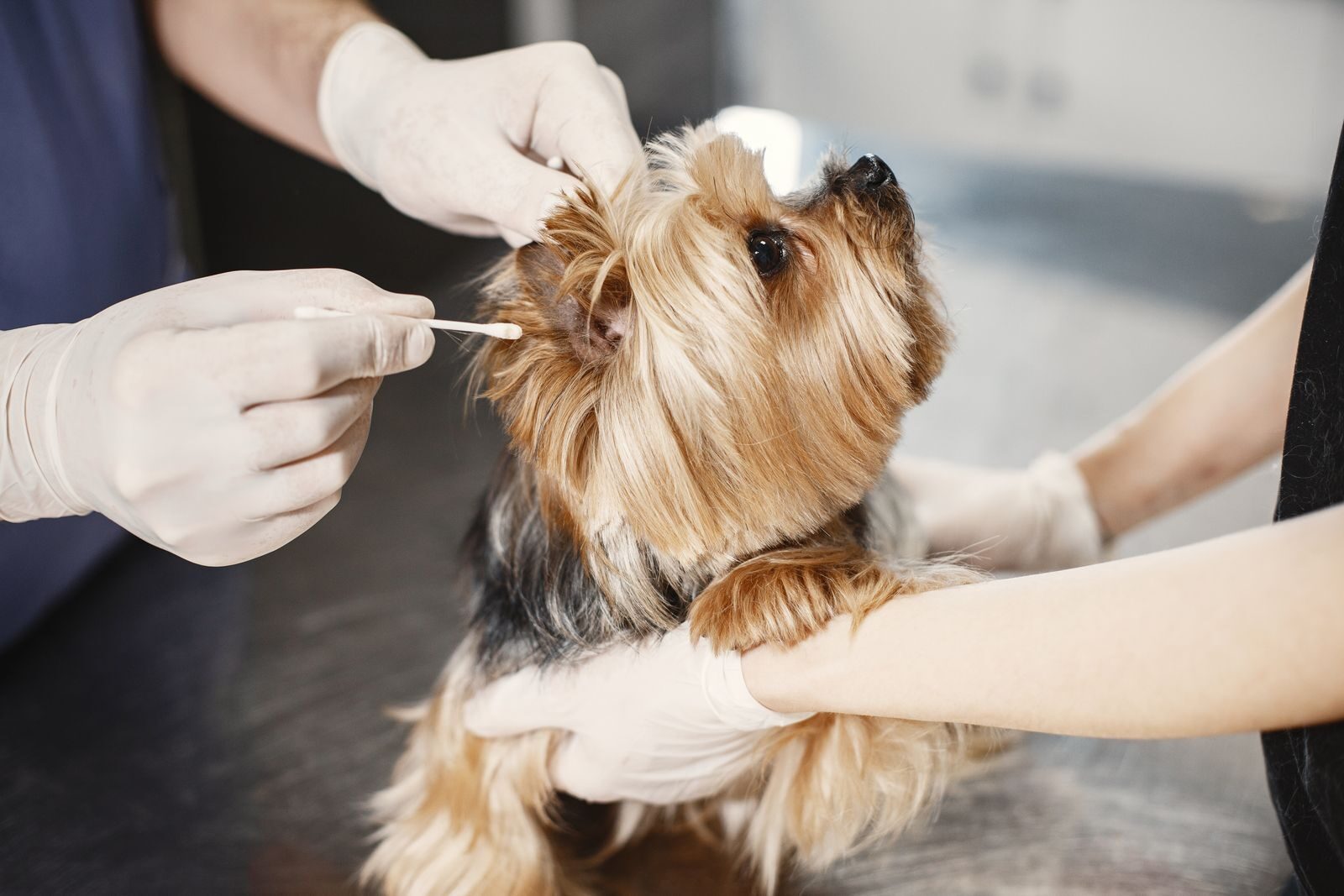
- Wipe Gently: Using a fresh, clean cotton ball or soft cloth, gently wipe away the loosened debris and excess solution from the outer ear and the opening of the ear canal. Crucially, do not insert cotton swabs (Q-tips) into the ear canal itself. The ear canal is curved, and pushing too deep risks injury or pushing debris further in.
- Repeat if Necessary: If there is still visible debris, repeat the process with a fresh cotton ball or cloth for the same ear. Use a separate one for the other ear.
- Reward: Pat your dog for its cooperation with a treat and some affection.
When to See a Veterinarian
While regular cleaning is important, it’s not a substitute for professional veterinary care. You should take your dog to the vet if:
- You see signs of infection (redness, swelling, discharge, odor).
- Your dog shows persistent itching, scratching, or head shaking.
- You notice dark, waxy discharge or blood-tinged discharge.
- Your dog seems to be in pain when its ears are touched.
- The home cleaning doesn’t seem to help any underlying issues.
A vet can properly diagnose the problem (e.g., bacterial infection, yeast infection, allergies, or even parasites like ear mites) and prescribe the correct treatment, often including medicated ear drops.
Prevention Tips for Vancouver Dog Owners
Prevention is key to avoiding ear problems altogether:
- Dry Thoroughly: Especially after baths, swimming, or playing in the rain or Puget Sound (Vancouver’s water bodies), make sure to dry your dog’s ears gently with a towel. Moisture is a primary contributor to ear infections here.
- Check Regularly: Not just cleaning, but quick daily or weekly checks can help you spot issues early.
- Manage Allergies: Some ear infections are linked to allergies. If your dog has recurring ear problems, discuss potential food or environmental allergies with your vet.
- Avoid Excess Hair: If your dog has long hair inside the ear (like a Basset Hound or Coonhound), regular grooming can help keep things clear.
- Manage Fleas and Ticks: These parasites can contribute to ear irritation and infection, especially in Vancouver’s green spaces.
Conclusion: A Healthy Ears, Happy Dog
Cleaning your dog’s ears is a simple yet crucial part of responsible dog ownership in Vancouver. By understanding the basics of ear care, preparing properly, using the right products, and knowing when to seek professional help, you can help keep your best friend comfortable and healthy. Remember to always prioritize your dog’s comfort and consult your veterinarian if you have any concerns about ear health. A few minutes of care each week can make a big difference to your dog’s well-being, ensuring they enjoy the great Canadian parks and rainy days without ear troubles.