In this story
Keep Your Vancouver Dog Healthy: Vet Visit Frequency Guide
As proud dog owners in one of Canada’s most beautiful cities, you’re likely always thinking about your furry friend’s well-being. Vancouver dog owners know that our four-legged companions bring immense joy, but they also come with responsibilities. One of the most important is ensuring they receive regular veterinary care. But the question is often asked: How often should dogs visit the vet?
This guide will help you establish a solid veterinary care schedule for your Vancouver dog, keeping them healthy and happy amidst our rainy weather and active lifestyle.
Understanding the Core: Annual Checkups
For most healthy adult dogs, the cornerstone of preventative care is the annual wellness exam. This comprehensive checkup is typically recommended once a year. Think of it as your car’s oil change – it’s a proactive step that helps prevent bigger problems down the road.
- What happens during an annual checkup?
- Physical Examination: The vet will check your dog’s weight, temperature, eyes, ears, mouth, heart, lungs, abdomen, skin, and joints.
- Vaccinations Review: Ensuring your dog is up-to-date on core vaccines (like DHLPBCK – Distemper, Hepatitis, Leptospirosis, Parvovirus, Bordetella, Parainfluenza, and Rabies) is crucial, especially in Vancouver where wildlife encounters can happen.
- Parasite Prevention: Discuss flea and tick prevention (important even in Vancouver’s damp forests) and heartworm medication (indoor pets need it too).
- Vaccination Updates: Booster shots are usually needed every 1-3 years for core vaccines, depending on the type, but titre testing might be an option to confirm immunity levels.
But Is One Visit Enough?
While the annual checkup is a key benchmark, it’s not a one-size-fits-all schedule. Several factors might mean your dog needs more frequent vet visits:
1. Puppies and Senior Dogs (Over 7 Years Old)
Puppies require much more frequent visits during their first year. They need multiple vaccinations and parasite treatments as their immune system develops.
| Age Group | Visit Frequency | Purpose |
|---|---|---|
| Puppies (under 1 year) | Every 3-6 weeks | Vaccinations, parasite control, early health monitoring |
| Adult Dogs (1-7 years) | Annually | Wellness checkups, core vaccines & parasite prevention |
| Senior Dogs (7+ years) | Every 6-12 months | More frequent monitoring for age-related conditions |
Senior dogs, typically defined as those 7 years and older, often benefit from semi-annual visits (every 6 months). As dogs age, they become more prone to health issues like arthritis, kidney disease, and dental problems. More frequent checkups allow for earlier detection and intervention.
2. Dogs with Health Conditions or On Medication
If your dog has been diagnosed with a chronic condition (like diabetes, thyroid issues, or heart disease), or is on medication, your veterinarian will likely recommend more frequent checkups. These visits allow the vet to monitor the condition’s management and adjust treatments as needed.
3. Dogs on Preventative Medications
Dogs on long-term preventative medications, such’t say for tick or flea control, should have regular checkups to ensure the treatment is working effectively and to monitor for any potential side effects.
4. Changes in Your Dog’s Health
This is crucial: pay attention to changes in your dog’s behaviour, appetite, thirst, energy levels, or physical appearance. If something seems off, don’t wait for the annual appointment. A trip to the vet might be warranted sooner.
Decoding the Vet Visit: What to Expect
Being prepared for your Vancouver vet visit makes it less stressful for everyone involved. Here’s what typically happens:
The Physical Examination
The vet will carefully examine your dog’s body systems:
- Temperature: Checking for fever or hypothermia.
- Weight: Monitoring weight changes can indicate health issues.
- Eyes: Checking for cataracts, glaucoma, or signs of infection.
- Ears: Looking for infections or excessive wax.
- Mouth: Examining teeth, gums, and tongue for signs of dental disease (the most common health issue in dogs).
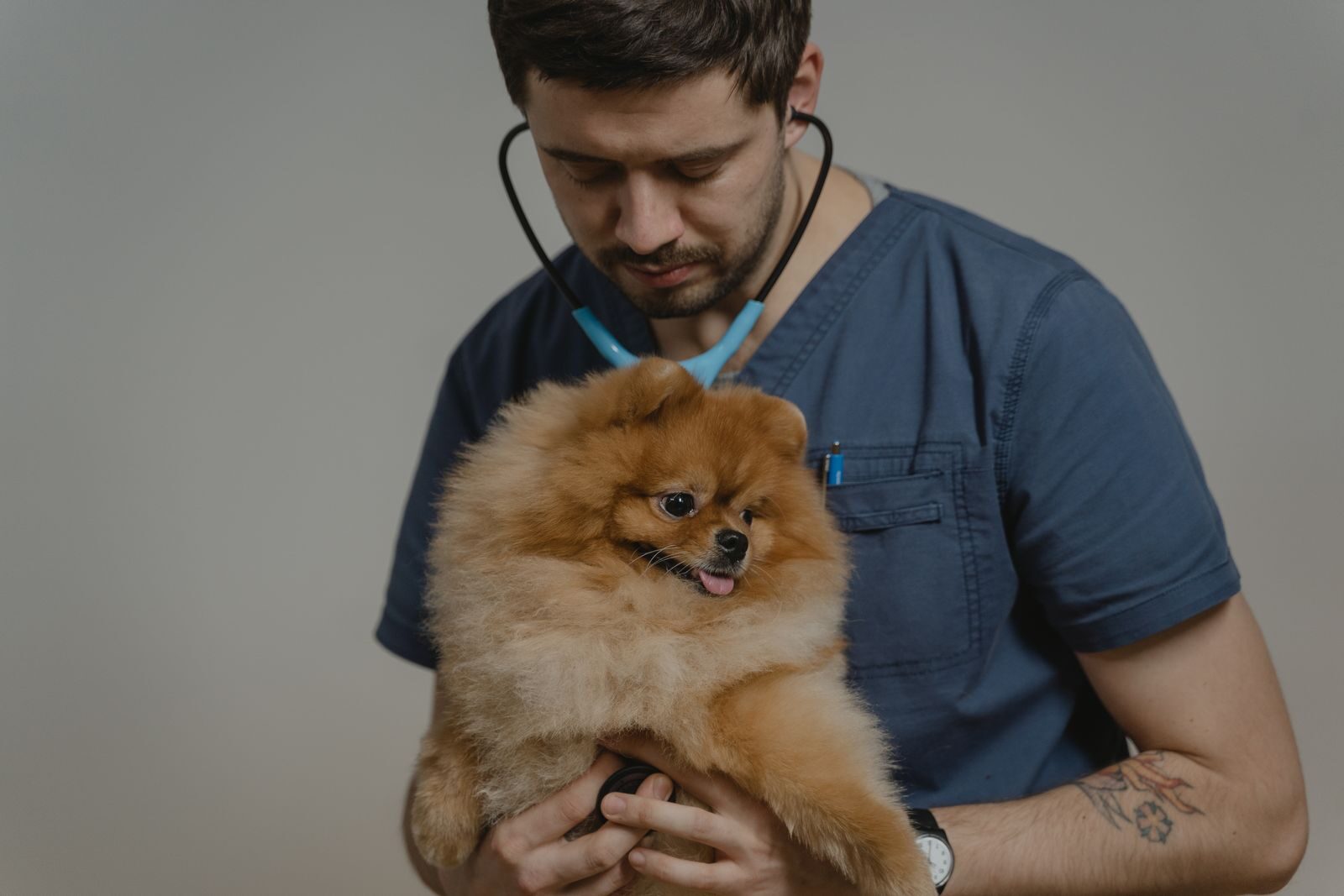
- Heart & Lungs: Listening for murmurs or respiratory issues.
- Abdomen: Palpating for any abnormalities.
- Skin & Coat: Checking for parasites, rashes, or lumps.
- Joints: Assessing mobility and looking for signs of arthritis.
Discussing Your Dog’s Lifestyle
Be prepared to talk about:
* Diet and treats
* Exercise routine
* Training and behaviour changes
* Any accidents or injuries
* Flea, tick, and worming history
Preventative Care: The Foundation of Healthy Dogs
Regular vet visits aren’t just about checking for problems; they’re about preventing them. This is especially important for Vancouver dogs navigating our unique environment.
Vaccinations
Keeping vaccinations up-to-date protects your dog against serious, often fatal, diseases.
* Core Vaccines: DHLPBCK (Distemper, Hepatitis, Leptospirosis, Parvovirus, Bordetella, Parainfluenza) and Rabies are essential for all dogs in Vancouver. Rabies is a fatal neurological disease present in wildlife (like bats or raccoons) that can sometimes affect pets.
* Lifestyle Vaccines: Depending on your dog’s risk, vaccines for Bordetella (kennel cough), Leptospirosis, Lyme disease, or Canine Influenza might be recommended if they frequently visit dog parks, boarding facilities, or hunt with you.
Parasite Prevention
Parasites are a year-round concern in Vancouver:
* Fleas & Ticks: Active even in damp weather; prevent with topical or oral treatments.
* Heartworm: Transmitted by mosquitoes; prevent with monthly medication, even if your dog stays indoors.
* Intestinal Worms: Roundworms, hookworms, whipworms, and tapeworms; prevent with regular deworming medication.
Nutrition and Weight Management
Discussing your dog’s diet with your vet is vital. They can help determine if your dog needs a specific diet for age, breed, activity level, or health conditions. Maintaining a healthy weight reduces the risk of many diseases.
Dental Care
Dental disease is incredibly common in dogs and can cause pain and lead to serious health issues. Regular checkups allow the vet to identify dental problems early. Discuss professional dental cleaning and at-home care (brushing, appropriate chews) with your vet.
Recognizing When a Vet Visit is Urgent
While regular checkups are key, you must know when to bring your dog in immediately:
* Significant changes in behaviour or appetite
* Vomiting or diarrhoea
* Lameness or unusual pain
* Difficulty breathing
* Extreme lethargy or weakness
* Visible injury or trauma
* Uncontrolled bleeding
* Seizures
* Signs of poisoning
If your dog is showing any of these symptoms, contact your local Vancouver vet or an emergency animal hospital immediately.
Conclusion: Prioritizing Your Dog’s Health
Determining how often your Vancouver dog should visit the vet isn’t always straightforward, but a general guideline is a solid starting point. By establishing regular wellness visits, focusing on preventative care, and monitoring your dog’s health closely, you’re doing everything you can to ensure they live a long, happy, and healthy life by your side. Don’t hesitate to call your vet with questions or concerns about your dog’s schedule or health. They are your partners in ensuring your best friend thrives in the great Canadian north.
Happy, healthy dogs make for a wonderful Vancouver!