In this story
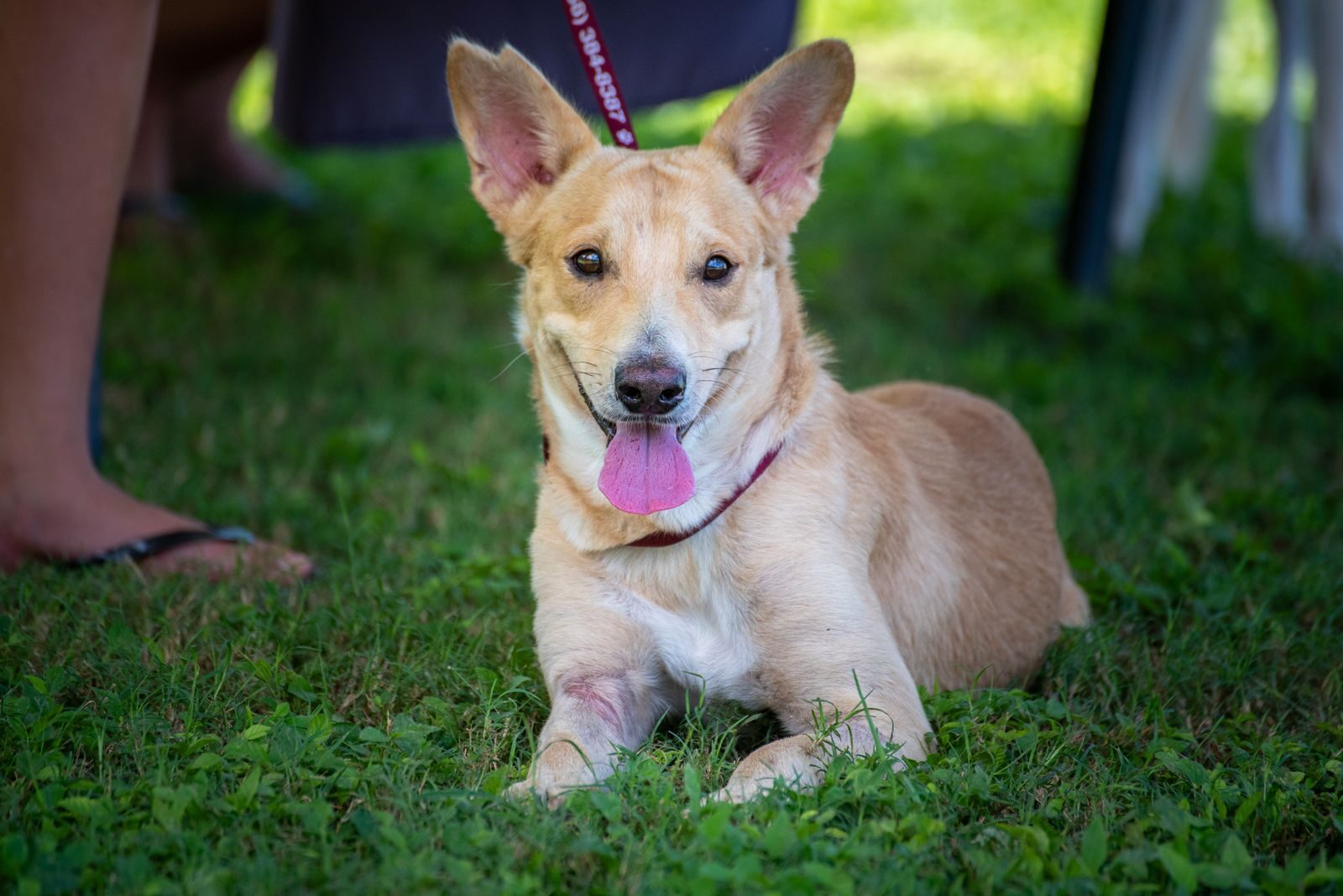
Understanding Anxiety in Rescue Dogs
When you bring a rescue dog into your Edmonton home, you’re not just gaining a furry companion—you’re welcoming a soul with a unique story. Often, these remarkable dogs carry the weight of past experiences, which can manifest as anxiety. It’s a common misconception that rescue dogs are simply ‘broken’ or ‘too much work,’ but the reality is far more nuanced.
Anxiety in dogs isn’t simply nervousness; it’s a genuine response to perceived threats or stressors. For rescue dogs, these triggers might stem from their previous lives—perhaps abandonment, neglect, or inconsistent environments. Understanding this is the first step toward helping them thrive in their new Edmonton home.
Signs of Anxiety in Your Rescue Dog
Recognizing the signs of anxiety is crucial for providing appropriate support. Common indicators include:
- Physical: Panting, trembling, pacing, tucked tail, yawning, excessive licking of paws or face, avoiding eye contact.
- Behavioural: Refusing to eat, hiding, destructive chewing, excessive barking or whining, clingy behaviour, jumping on counters.
If you notice these signs, remember that patience and consistency are your greatest allies. Consulting your veterinarian is also essential to rule out any underlying medical issues.
Creating a Safe Haven in Edmonton
Your home should be a sanctuary for your rescue dog. Start by creating a dedicated, quiet space where they can retreat when feeling overwhelmed.
Designing a Comfortable Retreat
- Designate a quiet room: Choose a space in your home with minimal foot traffic or noise. This could be a spare bedroom, basement, or a cozy corner.
- Comfortable bed or blanket: Include a soft bed or a familiar blanket (perhaps one that belonged to their previous human family).
- Safe harbour: Provide a cardboard box (painted if desired) or a tent that they can crawl into for added security.
Edmonton-Specific Considerations
Edmonton’s climate and landscape offer unique opportunities:
- Staged outdoor access: Allow supervised outdoor time gradually. Start with just a few minutes in your fenced yard or a secure leash walk around the neighbourhood.
- Positive associations: Use treats, toys, or gentle Edmonton walks to create positive outdoor experiences.
Building Trust: The Foundation
Trust is the cornerstone of any successful relationship, especially with a rescue dog who may have had past betrayals.
Patience and Consistency
- Be patient: Building trust takes time. Avoid forcing interactions and allow your dog to approach you on their own terms.
- Consistency: Establish routines for feeding, walks, and playtime. Predictability helps reduce anxiety.
Positive Reinforcement
- Reward calm behaviour: Use treats, praise, or play to reinforce moments of relaxation or bravery.
- Clicker training: This technique, popular among Edmonton dog owners, can help mark desired behaviours.
Managing Anxiety in Daily Life
Environmental Management
- Control triggers: Identify and manage situations that trigger anxiety. This might mean closing curtains during thunderstorms or keeping certain rooms off-limits.
- Desensitization: Gradually expose your dog to feared stimuli at a manageable level, pairing it with positive experiences.
Natural Edmonton Remedies
While always best to consult your vet first, some Edmonton pet owners find these helpful (use with caution):
- Calming diffusers: Products like Feliway or Adaptil can help create a calming environment.
- Gentle herbs: Chamomile or lavender (ensure pet-safe products).
Training Techniques for Edmonton Residents
Professional Guidance
- Positive reinforcement trainers: Look for Edmonton-based trainers certified in positive methods.
- Local resources: Edmonton Animal Services offers low-cost training resources.
At-Home Exercises
- Recall training: Practice calling your dog inside when they’re outside.
- Desensitization exercises: Work on handling (brushing, nail trims) when your dog is calm.
Edmonton-Specific Resources
Community Support
- Edmonton SPCA: Offers adoption, training, and behaviour advice.
- Local rescue groups: Search Edmonton’s online directories for support groups.
- Small businesses: Consider local Edmonton pet supply stores for calming products.
When to Seek Help
If anxiety significantly impacts your dog’s quality of life or your ability to care for them, don’t hesitate. Edmonton veterinary professionals can provide behavioural assessments and recommend specialists if needed.
Living Together Harmoniously
Helping an anxious rescue dog requires a commitment to understanding and patience. By providing a safe, predictable environment and positive reinforcement, you help them heal and thrive in their new Edmonton home. The journey may have its challenges, but the rewards of providing a forever home are immeasurable.
Key Takeaways
- Consistency is crucial: Routines help reduce uncertainty.
- Patience pays off: Building trust takes time.
- Professional help: Don’t hesitate to seek guidance from Edmonton experts.
- Community resources: Utilize local support networks.
With dedication and compassion, you can help your anxious Edmonton rescue thrive.