In this story
Helping Your Toronto Rescue Dog Cope with Anxiety
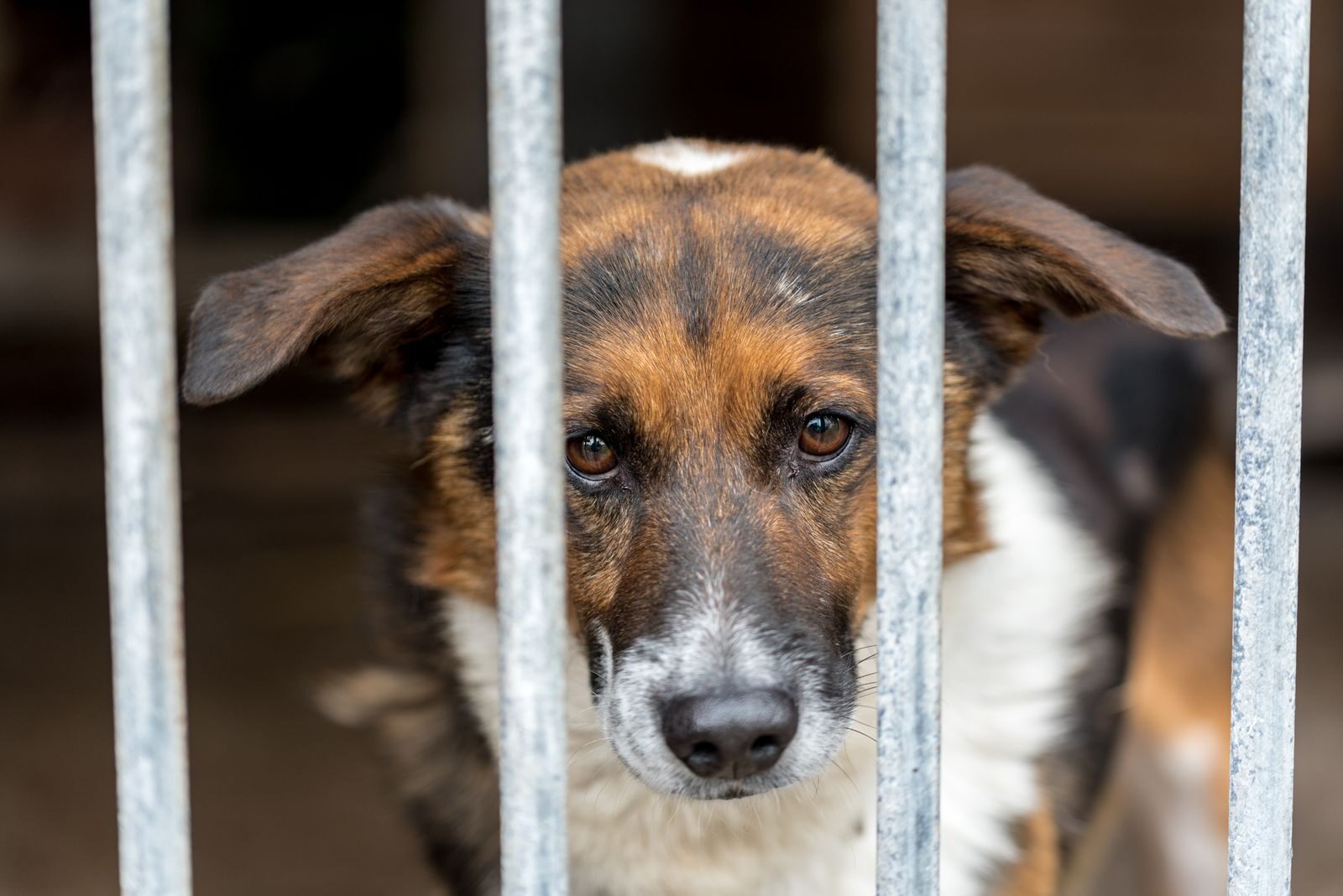
Bringing a rescue dog into your home in Toronto is a rewarding experience, filled with wagging tails and wet noses. But often, these wonderful animals come with extra layers of nervousness or fear that they’ve learned over their previous lives. If you’ve welcomed a rescue into your Toronto home and you’re noticing anxious behaviours, you’re not alone. Many rescue dogs experience fearfulness, and learning how to help them navigate this can strengthen your bond and improve their quality of life.
Understanding that anxiety in dogs isn’t just shyness or timidity is the first step toward offering effective support. This guide provides practical, compassionate advice tailored to helping anxious rescue dogs thrive in their new Toronto environment.
Understanding Anxiety in Rescue Dogs
Before diving into solutions, it’s crucial to understand what anxiety looks like in dogs. Unlike occasional nervousness, chronic anxiety can manifest in various ways:
- Body Language: Tucked tail, tucked tail between the legs, lip licking, yawning, excessive grooming (especially face licking), stiff posture, avoiding eye contact.
- Behavioural Signs: Destructive chewing, excessive barking or whining, house soiling, hiding, fear aggression, panic attacks (dive-bombing, sky-barking).
Rescue dogs may display these behaviours due to past negative experiences, lack of positive socialization, or feeling unsafe. Their anxiety can stem from trauma, neglect, or abrupt changes in their previous environment. Recognizing these signs helps you tailor your approach to their specific needs.
Building Trust: The Foundation of Help
Helping an anxious rescue dog requires patience and consistency. Building trust is paramount:
1. Go at Their Pace:
*   **Respect their boundaries:** Don't force interactions. Allow them to approach you or new situations on their own terms. If they seem overwhelmed, give them space.
*   **Positive One-on-One Time:** Create positive associations with being with you. Sit quietly, offer gentle pets, and use high-value treats (small bits of kibble, small pieces of chicken, or carrots - check with your vet about specific dietary additions) when they show calm curiosity or simply tolerate your presence.
2. Create a Safe Haven in Your Toronto Home:
*   **Designate a 'calm zone':** A small, quiet room or corner with a comfortable bed, some of their blankets (especially those with familiar smells if possible), and perhaps a safe, covered bed or a cardboard box they can hide in if they feel vulnerable. Keep this space free from potential stressors like loud noises or direct drafts.
*   **Consider White Noise:** A fan or a white noise machine can sometimes help mask unsettling household sounds.
3. Be Patient and Consistent:
*   **Small Steps:** Gradually introduce positive experiences. If they're afraid of strangers, start with brief, positive encounters before building up to longer interactions.
*   **Daily Routines:** Establish predictable routines for feeding, walks, and playtimes. Consistency can provide a sense of security.
Recognizing and Managing Triggers
Identifying what specifically triggers your dog’s anxiety is key:
- Observe: Pay close attention during everyday situations – car rides, meeting other dogs at the dog park near your neighbourhood, thunderstorms, or unexpected visitors. Note when anxiety spikes.
- Keep a Log: Sometimes a simple notebook helps track potential triggers and the dog’s reaction.
Once you know a trigger, you can help manage it:
- Desensitization: Gradually expose your dog to the trigger at a level they can handle without becoming anxious, pairing it with positive experiences (like a treat). Over time, slowly increase exposure.
- Counter-Conditioning: Teach your dog to associate the trigger with positive outcomes. For example, if fireworks are frightening, give them a special high-value treat or toy when fireworks start.
- Environmental Management: If certain sights or sounds are unavoidable (like construction near your apartment or busy Toronto streets outside), try to buffer their anxiety with distance or barriers.
Positive Reinforcement Techniques
Rewards are powerful tools for helping anxious rescue dogs learn new coping mechanisms:
- Focus on Calmness: Reward moments of calm behaviour, even if brief. A treat or enthusiastic praise when they look away from a frightening stimulus can help build positive associations.
- Teach Calm Signals: Dogs communicate using body language. Help your dog learn or practice calm signals like air-snapping (pretending to grab an imaginary treat with your mouth), yawning, licking lips, or turning their head away slightly. Reward these signals.
- Clicker Training: The “clicker” marks a precise moment for a reward, helping your dog understand exactly what they’re doing right.
Seeking Professional Help
While patience and home strategies are invaluable, don’t hesitate to seek expert guidance:
- Consult Your Vet: Rule out any underlying medical issues causing anxiety. Discuss potential environmental enrichment or supplements (like Canada’s reputable brands, consult your vet first).
- Work with a Certified Trainer: Look for positive reinforcement trainers in the Toronto area with experience in anxiety and fear issues. Avoid punishment-based methods.
- Consult a Veterinary Behaviourist: If anxiety is severe, a specialist (often available through referral networks near Toronto) can provide tailored behavior modification plans.
Utilizing Toronto Resources
Toronto offers various resources to support anxious rescue dogs and their adopters:
- Animal Welfare Agencies: Contact local Toronto animal shelters or groups like the Toronto Society for the Prevention of Cruelty to Animals (Toronto SPCA) for advice or resources.
- Support Groups: Look for online or local Toronto support groups for rescue dog owners dealing with anxiety.
- Reputable Veterinary Clinics: Many Toronto vet clinics offer behaviour consultations or can recommend specialists.
Helping an anxious rescue dog is a journey, not an overnight fix. By combining empathy, practical strategies, and professional guidance when needed, you can help your furry friend feel safe, secure, and happy in their new Toronto home. Patience and understanding are your greatest allies.