In this story
Gentle Paws: Understanding the Needs of Senior Dogs in Vancouver
As our canine companions age, they enter their senior years, much like we do. In Vancouver, where we cherish our four-legged friends as cherished family members, understanding the needs of senior dogs is crucial for ensuring they enjoy a comfortable, happy life during their golden years. You’re not alone in this journey – thousands of Vancouver pet owners navigate these waters annually. This guide offers practical insights into recognizing the signs of aging and providing the special care our mature dogs deserve.
Recognizing the Signs of Aging
Just as humans age differently, so do dogs. The pace of aging varies significantly between breeds and individuals. However, there are common signs to watch for as your dog moves into their senior years (typically around 7 years old, though this varies):
- Slower Pace: Noticeable decrease in activity level and energy.
- Physical Changes: Stiffness, especially noticeable after rest or in cold weather; difficulty jumping or climbing stairs; weight fluctuations (gain or loss without diet changes).
- Sleep Patterns: Increased sleep duration or more frequent naps.
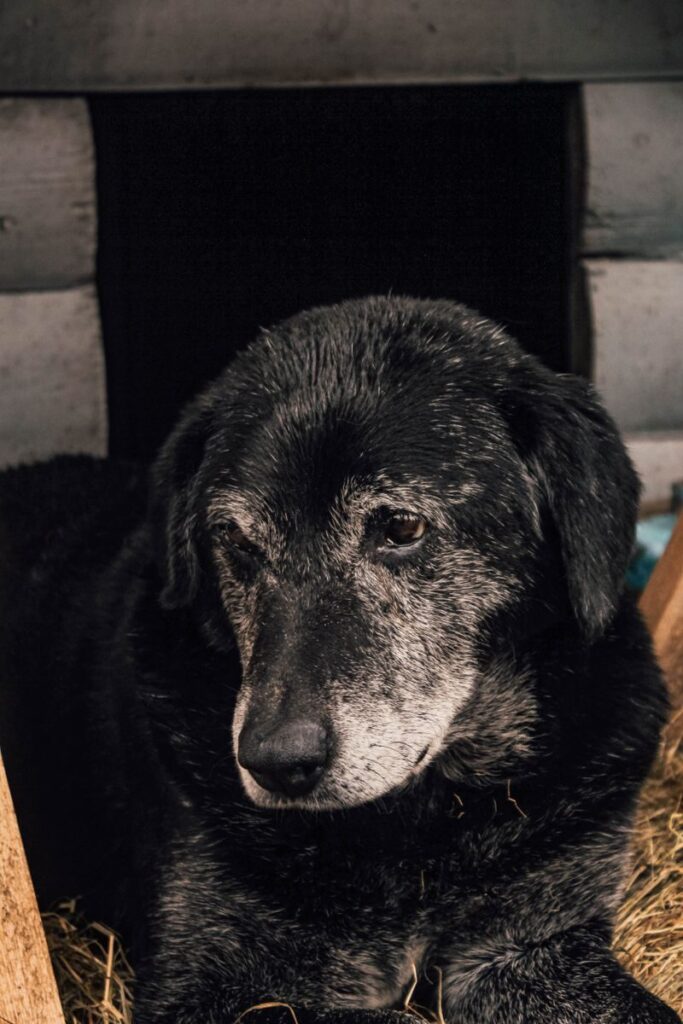
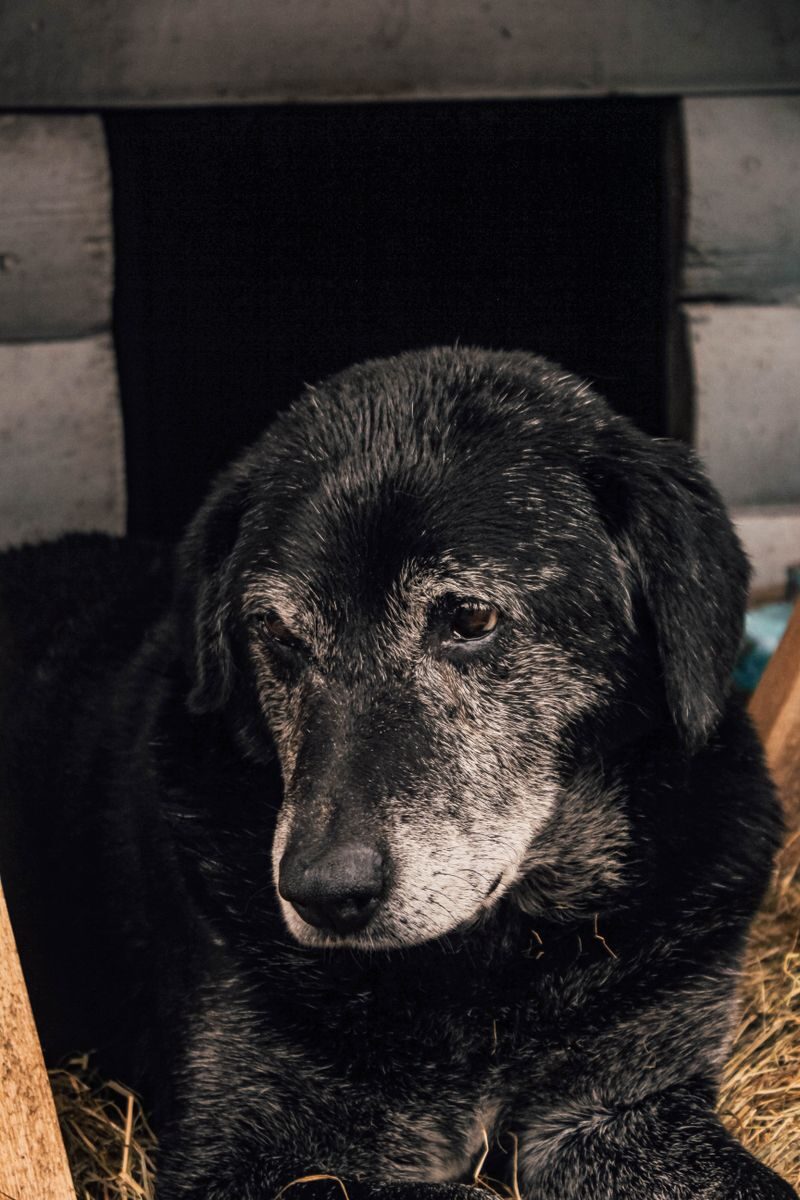
- Coat Changes: Thicker coat may become coarser or greasy; thinner coat in some breeds.
- Sensory Decline: Changes in eyesight or hearing; potential for dental issues.
- House Soiling: Accidental indoor accidents may become more frequent.
The Body Systems Slow Down
Aging affects dogs physically and internally, much like humans. Think beyond just grey hairs (unless they’re a breed prone to greying!):
Physical Changes
- Arthritis & Joint Issues: Vancouver’s damp weather can sometimes exacerbate this common condition, making mobility harder. Watch for reluctance to move or climb.
- Dental Health: Tartar buildup, broken teeth, or receding gums can cause eating difficulties and pain.
- Weight Management: Metabolism slows, making weight gain easier. Conversely, some seniors might lose weight due to dental issues or decreased appetite.
- Vision & Hearing Loss: Their connection to the world narrows, impacting their safety and interaction.
Sensory Decline
- Sight & Hearing: These often diminish first. Protect them from potential dangers they might not see or hear approaching.
- Smell: This vital sense may also change, potentially affecting their ability to detect dangers or food.
More Than Just Grey Hair: Health Considerations
Senior dogs are more susceptible to certain health conditions that require monitoring and management. Being vigilant can make a significant difference:
Common Health Issues in Vancouver’s Seniors
- Arthritis: A leading cause of mobility issues, often managed with diet, supplements (like glucosamine), gentle exercise, and sometimes vet-prescribed medication.
- Dental Disease: Cumulative damage requires regular dental check-ups and at-home care.
- Thyroid Problems: Can cause weight changes and lethargy.
- Kidney Disease: Gradual decline requires monitoring hydration and kidney function.
- Cognitive Dysfunction Syndrome (CDS): Similar to dementia in humans, characterized by confusion, changes in sleep patterns, and decreased interaction.
- Diabetes & Other Metabolic Changes: Increased monitoring needed.
The Importance of Regular Vet Visits
This is non-negotiable for senior dogs. Vets in Vancouver recommend more frequent check-ups (often twice yearly) starting around age 7 or 8. These visits allow for early detection and management of age-related issues. Discuss any changes you’ve noticed with your veterinarian.
Tailoring Their Nutrition: Gentle Adjustments
Just as humans need different nutritional needs as they age, so do dogs. Consult your vet about:
- Caloric Needs: Adjust portion sizes to prevent weight gain, which puts extra strain on aging joints.
- Joint Support: Consider adding supplements recommended by your vet (e.g., glucosamine, fish oil).
- Dental Diets: If dental health is a concern.
- Kidney-Specific Diets: If kidney function declines.
- Easier Digestion: Older dogs may benefit from diets designed for digestive health.
Avoid drastic changes without veterinary guidance. Focus on high-quality, easily digestible protein.
Adapting Exercise: Keep Them Moving, Safely
Exercise needs change but don’t disappear. Tailor activities to their abilities:
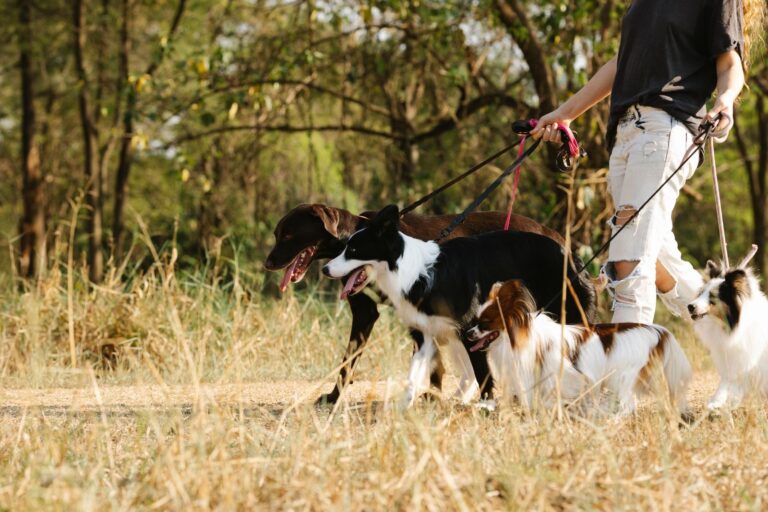
- Shorter, Softer Walks: Reduce distance and duration, focus on gentle movement.
- Stair-Free Paths: Where possible, use ground-level paths to avoid strain.
- Swimming or Hydrotherapy: Excellent low-impact exercise options.
- Play Dates: Gentle, supervised play with compatible, healthy dogs.
- Check for Discomfort: Always monitor for signs of pain or fatigue.
Maintaining Routine and Mental Stimulation
Structure is comforting. Stick to regular feeding times, walks, and sleep schedules. Don’t forget mental stimulation tailored to their slowing pace:
- Simplified Training: Short, simple commands or puzzle toys designed for older dogs.
- Familiar Environments: Avoid sudden changes.
- Quiet Time: Provide a comfortable, low-stress resting area.
Creating a Comfortable Home Environment
- Comfortable Bedding: Ensure soft, supportive bedding, especially on cool floors.
- Easy Access: Keep frequently used areas clear of obstacles.
- Ramps: Consider adding ramps to furniture or decks.
- Protect from Elements: Ensure they’re comfortable in all weather.
Monitoring and Patience
Aging is a gradual process. Notice subtle changes and be patient. Celebrate the quiet moments and the comfort they find in their senior years. Provide extra affection and reassurance during this time.
Final Leash: Gentle Care in Vancouver
Caring for a senior dog in Vancouver’s unique environment requires understanding, adaptation, and compassion. By paying attention to their changing needs regarding health, nutrition, exercise, and comfort, you can ensure your senior canine companion enjoys a fulfilling and happy life for years to come. Always consult with your veterinarian for breed-specific and individualized advice. They’re a valuable resource for your best friend’s golden years.