In this story
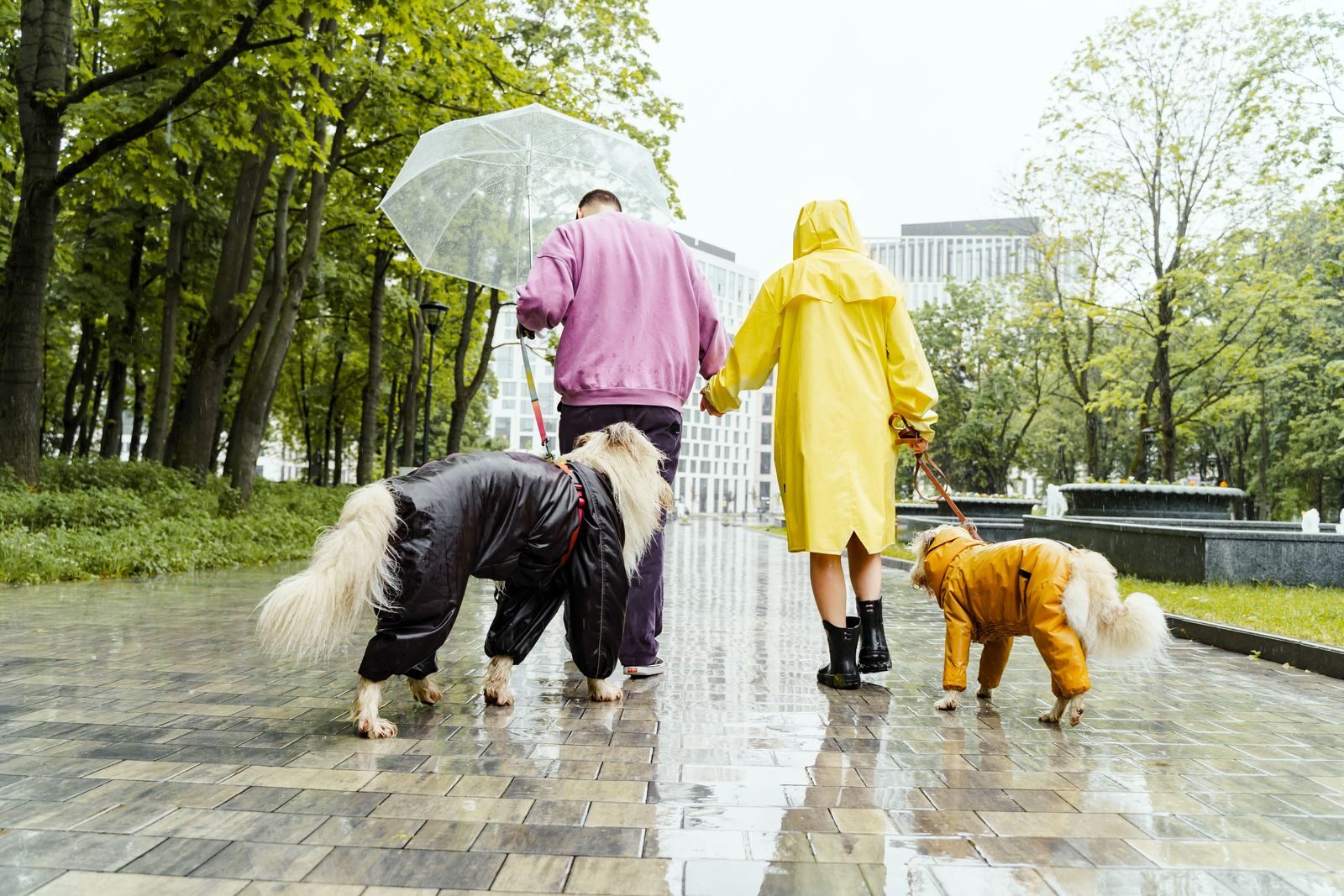
Stay Dry and Cozy: Best Rainy-Day Gear for Your Vancouver Dog
Vancouver weather is famously wet, with frequent rain showers throughout the year. While many dogs tolerate rain well, proper gear can make walks more comfortable for them (and you!) during the damp season. As a proud Vancouver dog owner, you know that being prepared for rain isn’t just nice-to-have—it’s practically essential. This guide will walk you through the essentials of rainy-day dog gear, focusing on practical, tested options that keep our four-legged residents dry and happy.
Why Gear Matters: More Than Just Fashion
While some dogs simply shake off the rain like ducks (though our dogs are more like chickens in that regard!), others can get genuinely uncomfortable or even chilled when wet. A wet dog cools down quickly, and shivering can lead to discomfort or even hypothermia in cooler conditions. The right gear serves several purposes:
- Keeping your dog dry: A wet coat (fur) takes a long time to dry, and in Vancouver’s often cool dampness, staying dry helps maintain body temperature.
- Protecting paws: Rain isn’t the main issue for paws; it’s the salt, grit, and sometimes chemicals used on slippery roads that can cause irritation or injury. Waterproof boots protect paws from these.
- Comfort: A dog that feels protected from the elements is often a calmer, more relaxed dog.
- Safety: A dog that’s shivering or uncomfortable in the rain might be less inclined to focus on the task at hand (walking politely, coming when called).
The Umbrella (of Law): Raincoats for Dogs
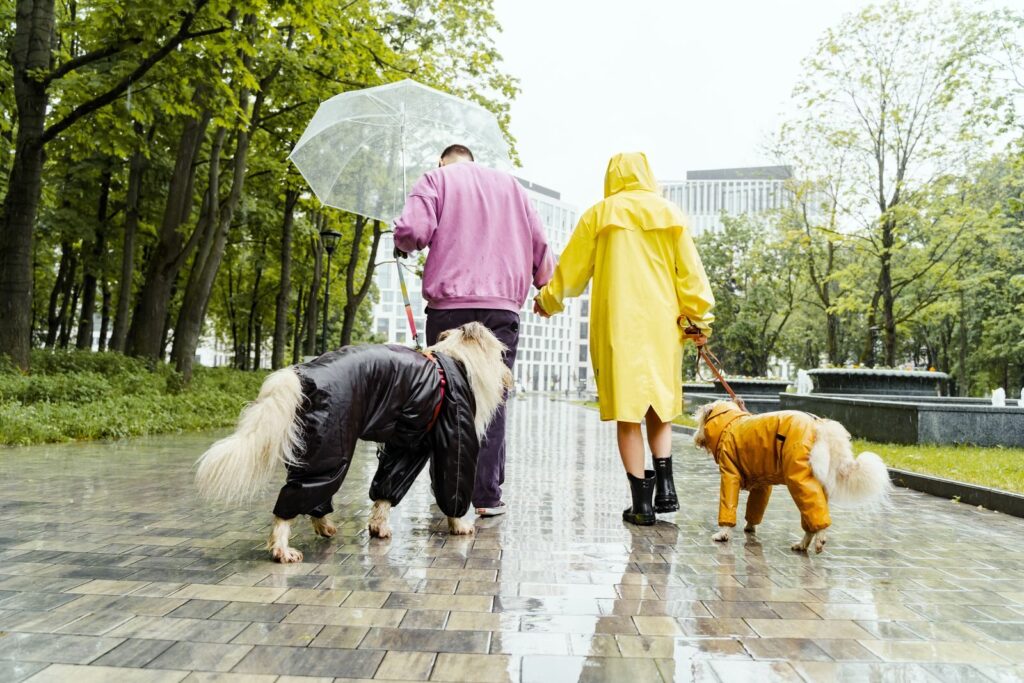
A waterproof raincoat is arguably the most important piece of rainy-day gear for your dog. But not all raincoats are created equal. Look for these features:
Key Features to Look For
- Complete Seal: The most crucial part is the seal around the neck and tail. A cheap coat with an open neck opening will simply blow right off in a breeze. Look for designs that tuck in fur or have adjustable straps.
- Waterproof Material: Ensure the fabric is truly waterproof, not just water-resistant. Look for PVC, nylon, or polyester ripstop with a waterproof coating. Ratings (like 10,000mm hydrostatic head) can be informative, but feel and fit are often more important.
- Visibility: Reflective elements are vital for visibility during Vancouver’s overcast days and early mornings/late evenings.
- Comfort: The coat shouldn’t restrict movement. Check how well it sits on your dog’s body.
- Fit: A coat that’s too large will flap dangerously in the wind and offer little protection. One that’s too small will be uncomfortable and ineffective. Many brands offer trial sizes or online guides.
Popular Styles & Considerations
- Collar Worn Coats: These slip over the dog’s head and attach under the chin. They offer good neck/tail protection but can be tricky if your dog gets their head down.
- Hood-Style Coats: These attach to a leash or harness and provide neck protection but leave the tail exposed.
- Full-Body Coats: These are generally bulkier but offer the most all-over protection. Best for very cold, wet days.
Top Vancouver Considerations
When shopping locally or online, consider the rain typically encountered in Vancouver. While it’s often not torrential downpour (unless it’s a deluge!), it’s usually lasting and cool. A good, well-fitting raincoat will make a huge difference.
Local Makers & Shops
While we can’t specifically endorse any one brand, many excellent dog coat options are available at Vancouver pet shops and online retailers. Look for Canadian-made or small Canadian maker options for unique styles and quality.
H3: Dog Boots: Protecting Those Precious Paws
You’ve seen dogs in snow boots, but waterproof boots are essential for rainy days, primarily to protect paws from more than just water.
Why Boots Are Necessary
Rain itself isn’t the biggest threat to paws. It’s the combination of:
- Road Salt and Deicers: Highly irritating to paw pads.
- Grit and Sand: Can scratch or abrade paw skin.
- Antifreeze (rare but dangerous): Toxic if ingested.
- Extreme Temperatures: Wet paws can freeze in cold rain or get uncomfortably hot in warm rain.
Types of Dog Boots
- Slip-On Boots: Often velcro or hook-and-loop closures. Convenient but can be tricky to get on some dogs.
- Wrap-Around Boots: Similar to slip-ons but wrap around the foot and usually fasten at the ankle. Often considered more secure.
- Hiking Boots: Designed for more rugged terrain, often sturdier but sometimes bulkier.
Choosing the Right Boots
- Fit: Boots should be snug but not tight. There should be no slipping, and no excess space. Try them on with shoes on if your dog wears them indoors.
- Waterproof: This is the key function. Look for rubber, neoprene, or PVC materials.
- Comfort: Ensure they aren’t too bulky or uncomfortable for your dog to wear for walks.
- Traction: Good grip on the sole is important for preventing slipping.
Vancouver’s Wet Pavements
With salt being a common concern even on wet days, boots are a smart investment for Vancouver walks. Ensure the boots are easy to clean, as mud and debris can accumulate.
H3: Protecting Paws Beyond Boots: Wipes and Balm
Boots are great, but sometimes they aren’t suitable (e.g., very young, old, or sick dogs). In those cases, or as a supplement, consider paw balm and wipes:
- Paw Balm: Helps heal and protect cracked or raw paw pads, especially in colder or saltier conditions. Apply regularly in the off-leash areas.
- Wipes: Convenient for quickly cleaning paws after walks, especially if you’re heading indoors and want to remove mud and salt.
Look for Canadian brands or natural, gentle formulas suitable for sensitive paws.
H3: The Controversial Contender: Dog Rain Hoods
Many raincoats already incorporate a hood, but some owners opt for a separate rain hood. Pros and cons:
- Pros: Can be easier to put on and take off than a full raincoat. Great for dogs that dislike wearing coats. Offers targeted neck/head protection.
- Cons: Less comprehensive protection than a full raincoat. Requires proper fit to the collar/harness to prevent water ingress.
H3: Other Considerations for Vancouver Rain
- Umbrellas: Some owners use small, sturdy child-sized or specialized dog rain umbrellas. They can be effective but require practice to use safely and effectively, especially in wind. Ensure they don’t obstruct your view or your dog’s vision.
- Towels: Having a spare towel in the car is always a good idea. You can quickly towel off your dog after a walk to reduce drying time at home.
- Gradual Exposure: If your dog isn’t used to wearing gear, introduce them gradually. Start with short sessions indoors.
Making the Most of Vancouver’s Rainy Days
Equipping your dog for Vancouver’s weather doesn’t mean sacrificing style or comfort. With the right raincoat, boots, and paw protection, those damp days can still be enjoyable adventures. Remember to prioritize a good fit, quality waterproofing, and your dog’s comfort. Vancouver’s great outdoors are best explored with a prepared companion.
Happy, dry walking!