In this story
Why Dogs Dig: Understanding the Natural Instincts Behind That Pawed-Up Yard
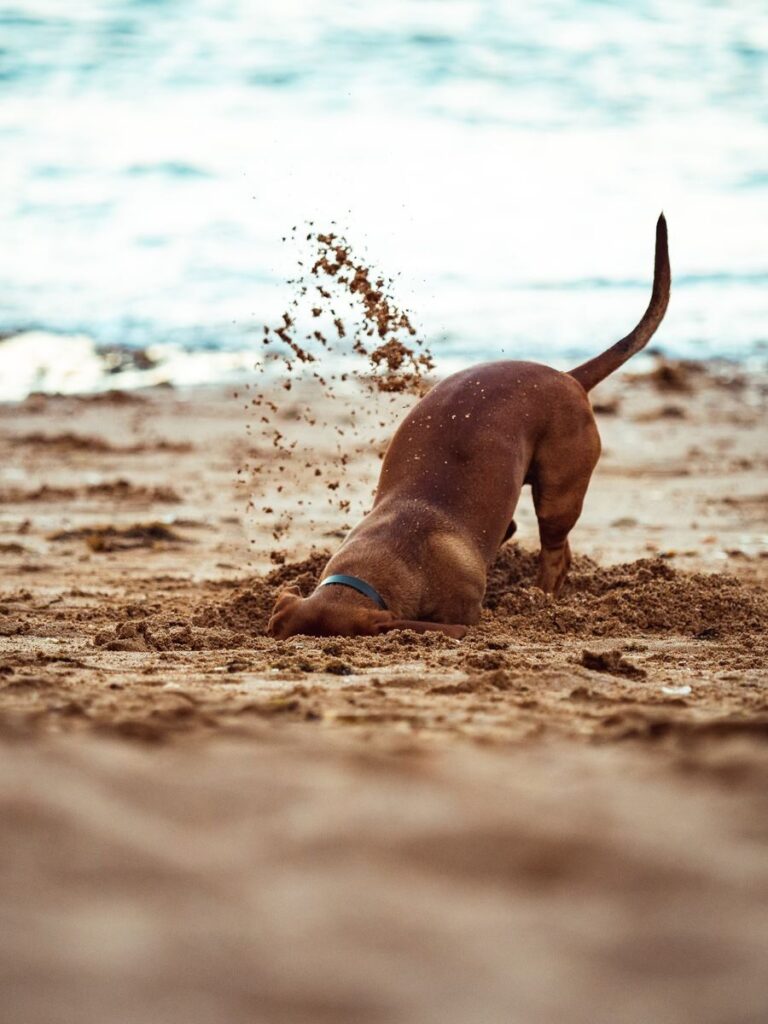
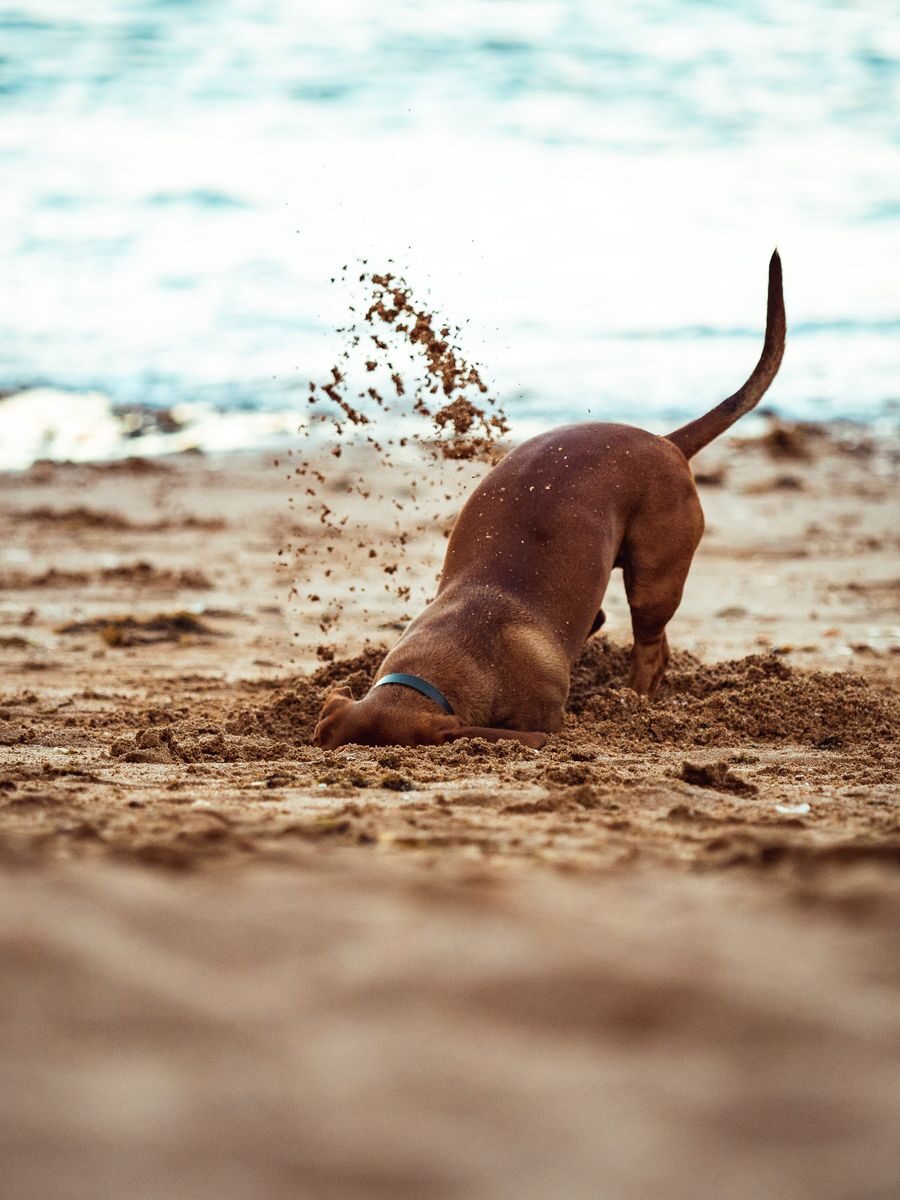
Ottawa’s beautiful parks and backyards are great places for dogs to run and play, but they can also be scenes of canine excavation projects. That trench near the rose bushes, the hole in the flowerbed, or the dug-out bed for the pug’s summer nap spot – it’s all in a day’s work for many of our four-legged friends! But as pet owners, we often wonder: why do dogs dig? And more importantly, how do I stop my dog from digging up my perfectly manicured lawn in Ottawa?
It’s essential to understand that digging is a natural behaviour for most dogs, stemming from their evolutionary past as hunters and diggers. Think of those working dogs like Bloodhounds or Beagles – they were bred to dig for prey or follow scents underground. Even many other breeds carry this instinct, just dormant and waiting for the right trigger.
So, what sets off this ancient behaviour in your neighbourhood pooch? Let’s break down the common reasons:
Common Reasons Why Dogs Dig
- Boredom and Lack of Stimulation: This is perhaps the most frequent culprit. If your dog isn’t getting enough mental and physical exercise, digging can become a way to pass the time. Their minds are active, and without enough engaging activities, they resort to digging as a form of entertainment.
- Exercise and Foraging: Digging is a form of exercise. It engages their natural instincts to search for food (foraging). They might be looking for interesting smells buried in the ground, chasing something they think is under the surface, or simply enjoying the physical exertion.
- Temperature Regulation: Dogs don’t sweat like humans do. In hot Ottawa summers, they might dig shallow holes to create a cool, shaded resting place. In cold winters, they might dig to bury their paws or find slightly warmer spots underground.
- Anxiety or Fear: Many dogs dig when they are anxious or fearful. This is often referred to as displacement behaviour. When feeling stressed, overwhelmed, or scared, they may dig as a way to cope or redirect their nervous energy.
- Territorial Marking: Dogs have scent glands in their paws. When they dig and then lift their paws to sniff or mark the area, they are leaving their scent deeper in the ground, effectively marking territory in a subtle way.
- Excitement: Sometimes, especially with puppies, excitement can trigger digging. Think of a young dog that’s just been unleashed in the yard – the sheer joy and freedom can manifest as digging.
- Following the Pack (or Humans): Some dogs dig to be closer to their pack (or human) members, following them around or digging near where they are.
Prevention Strategies for Ottawa Yards
Stopping digging entirely might be unrealistic, as it’s such a natural instinct. However, you can manage and redirect this behaviour. Prevention often focuses on addressing the root cause:
1. Provide Adequate Exercise and Mental Stimulation
- Daily Walks and Playtime: Ensure your dog gets plenty of physical activity. Longer walks, runs, or visits to off-leash areas in places like the Ottawa Riverfront or Centennial Park can help burn off excess energy.
- Puzzle Toys and Training: Engage their minds with puzzle feeders, scent games (like hiding treats), or obedience training sessions. The PetSmart store in the Ottawa West mall has great options for interactive toys.
2. Create Designated Digging Zones
- Designated Area: Instead of trying to stop digging altogether, create a specific spot in your yard where digging is encouraged. Line this area with interesting materials like sand or pea gravel.
- Cover the Area: If you have specific areas you don’t want dug up (like flower beds or vegetable gardens), cover them with materials like stones, wood chips, or raised garden beds. Hardware stores like Home Depot in Kanata sell quality landscaping supplies.
- Digging Atrium: Build a small, fenced area filled with sand or soil specifically for digging. Put some buried toys or treats there to encourage use.
3. Redirect Digging Appropriately
- Positive Distraction: When you notice your dog starting to dig, calmly interrupt the behaviour with a command like “No” or “Leave it.” Then, redirect their attention to the designated digging zone or offer a high-value treat or toy.
- Supervised Yard Time: Keep an eye on your dog when they are outside, especially during times when they might be bored or anxious.
4. Address Anxiety or Fear
- Identify Triggers: If digging seems linked to anxiety, try to identify the trigger. Is it loud noises (like fireworks near Gatineau Park), unfamiliar people, or other animals?
- Desensitization and Counterconditioning: Work with a local Ottawa vet or certified trainer if anxiety is suspected. They can help develop a plan to gradually reduce your dog’s fear response.
5. Environmental Management
- Trim Lawns Regularly: A shorter lawn means less cover for digging and less material for them to excavate.
- Remove Excitement Triggers: If they dig when left alone, ensure they have enough to do indoors and consider crate training if appropriate.
Training Approaches
While prevention is key, some owners prefer training methods aimed at discouraging digging in specific areas:
“Leave It” Command
Teach your dog to respond to “Leave it” for the ground or any digging tool. Reward them for sniffing or touching the ground with their nose but then rewarding them for lifting their head or turning away.
Target Training
Train your dog to touch a specific target (like a mat or their nose) with their nose before they enter the yard. Reward them for focusing on the target instead of the digging.
When to Seek Professional Help
If digging is excessive, destructive, or linked to severe anxiety, consulting a local Ottawa certified professional dog trainer or animal behaviourist can be beneficial. They can provide personalized strategies.
Conclusion: Embrace the Natural Digger
Understanding why your dog digs is the first step towards managing this common behaviour in Ottawa. While it’s natural and often impossible to completely eliminate, providing appropriate outlets, ensuring sufficient exercise and mental stimulation, and addressing any underlying issues can significantly reduce problematic digging in your yard. So, the next time you find a hole in your flower bed, consider that your dog might just be following their ancient instincts – and perhaps, just maybe, you can redirect that enthusiasm to a more appropriate spot!