In this story
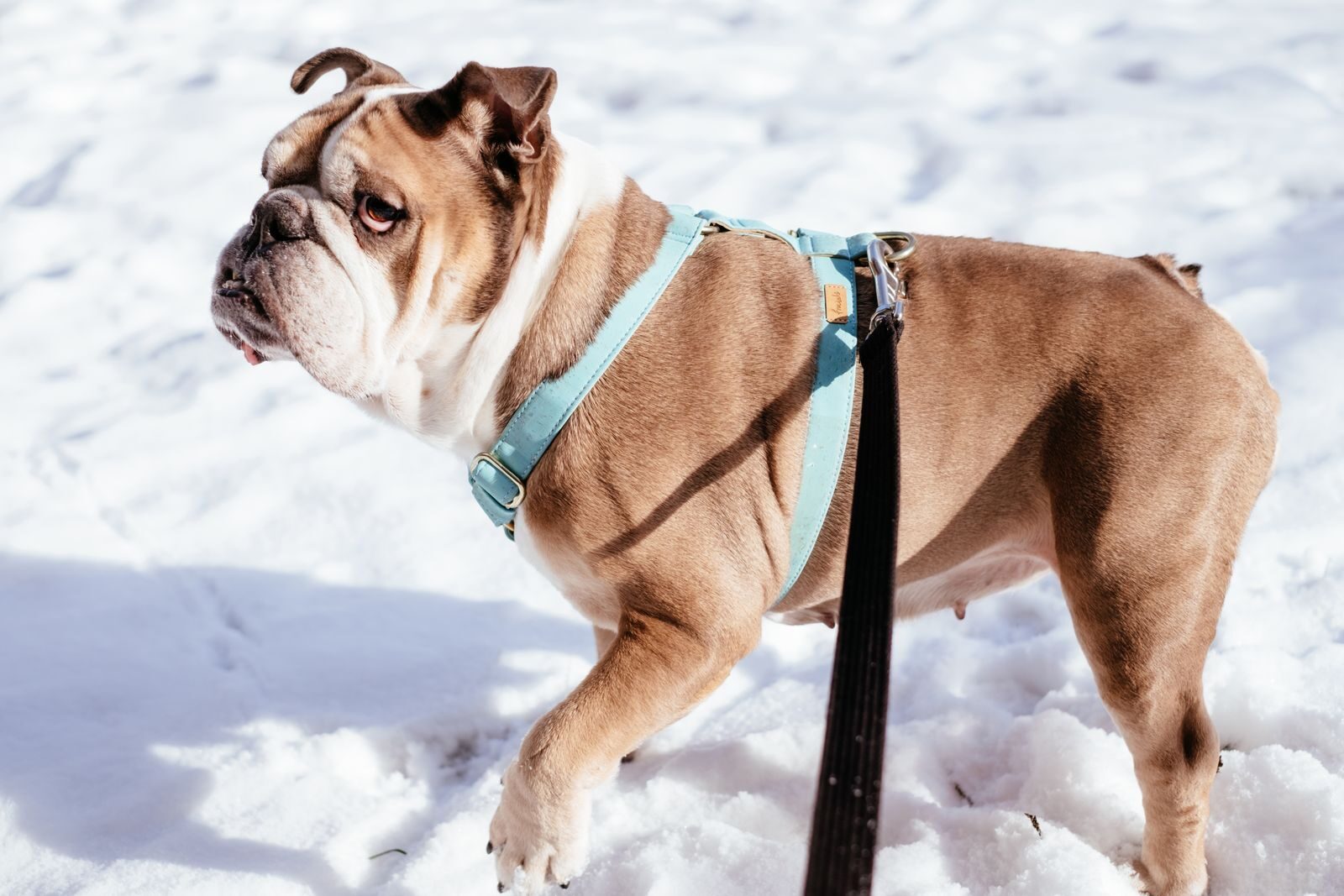
Why a Harness Might Be Better Than a Collar
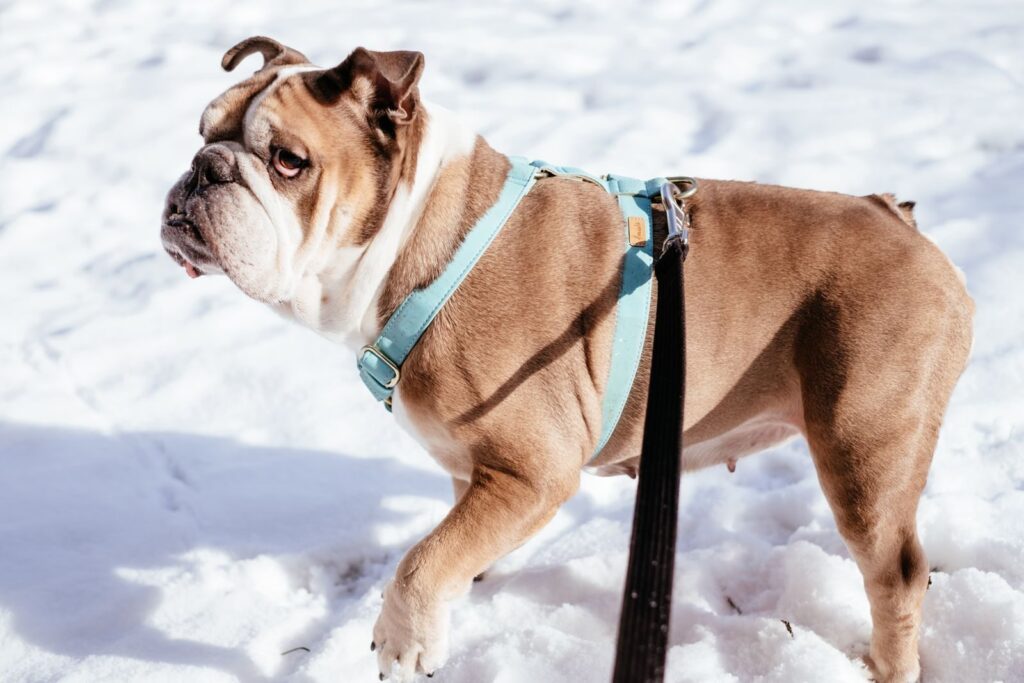
While every dog owner starts with a collar, many Calgary dog owners eventually find a harness more suitable for their pet’s needs. Harnesses distribute pressure more evenly across a dog’s chest, reducing strain on their neck and trachea. This is particularly important during walks when dogs pull on their leash. Harnesses also provide better control, making them ideal for training, walks in busy areas like Nose Hill Park, or for dogs with health issues affecting their necks.
When to Consider a Harness
Beyond pulling, harnesses are often recommended for:
- Training: Provides better control during recall and leash training.
- Brachycephalic Breeds: Breeds like Pugs or Shih Tzus can suffer from breathing difficulties if put under pressure at the collar.
- Coughing or Respiratory Issues: Dogs prone to coughing during walks need harnesses to avoid neck pressure.
- Thick Coats: Winter walks in Calgary mean dogs with thick fur need harnesses that don’t dig into their coat.
- Older Dogs or Those with Health Conditions: Reduces strain on sensitive necks.
Getting the Right Fit: The Most Important Step
Choosing the right size is paramount for your dog’s comfort and safety. A harness that’s too tight can cut off breathing or restrict movement. One that’s too loose can easily slip off or allow your dog to escape. Here’s how to measure correctly:
Measuring Your Dog’s Neck
- Calf Height: Use a flexible tape measure to measure your dog’s neck circumference where the collar would sit, typically just behind the shoulder blades. Ensure your dog is relaxed or gently leaning against you for an accurate measurement.
- Girth: Measure the widest part of your dog’s chest, just behind the front elbows. This measurement is crucial for selecting the correct size in many harnesses, especially step-in and hugging styles.
Pro Tip: Always measure twice, and measure your dog when they are slightly hungry or calm, as they tend to be smaller then. Also, measure them periodically as dogs can gain or lose weight.
Sizing Advice
- Standard Harnesses: Look for the size range provided by the manufacturer. Choose the size based on your neck measurement.
- Step-in Harnesses: These often rely more on chest girth than neck size. Match the girth measurement to the harness instructions.
- Hugging Harnesses: Designed to fit snugly around the chest, use the chest measurement provided by the manufacturer.
Trying It On
Whenever possible, try the harness on your dog before purchasing. It should:
- Allow two fingers comfortably to slide between the straps and harness.
- Sit flat against the chest without digging in.
Types of Harnesses: Which One is Right?
The market offers various harness types, each with its pros and cons:
Standard Strap Harnesses
These are the most common type.
* Pros: Widely available, often padded, various colors and styles.
* Cons: Can slip if not buckled correctly, potential for tangling.
* Best For: Most dogs, especially those that don’t pull excessively.
No-Pull Harnesses
Designed specifically to discourage pulling.
* How They Work: Often feature a gentle pressure point (like a soft loop) that tightens slightly when the dog pulls, providing a mild correction.
* Pros: Effective for training, comfortable padding.
* Cons: Can be expensive, some dogs don’t like the sensation.
* Best For: Training, dogs that pull, walks in areas like downtown Calgary where traffic requires focus.
Step-in Harnesses
These harnesses open up front, allowing you to slip your dog’s torso through.
* Pros: Easy to put on and take off, often comfortable for dogs with sensitive necks.
* Cons: Can slip if not fastened properly, less secure for energetic pullers.
* Best For: Active dogs, those with sensitive necks, quick on/off needs (like vet visits).
Hugging Harnesses
Designed to fit snugly against the chest.
* Pros: Excellent for control, less chance of slipping.
* Cons: Can feel restrictive if too tight, less forgiving during high-energy moments.
* Best For: Sighthounds, highly focused working dogs, situations requiring maximum control.
Vest Harnesses
Essentially a padded vest worn over the dog’s coat.
* Pros: Very visible, great for recalls, often very comfortable.
* Cons: Can be hot in Calgary’s summer, bulky.
* Best For: Retrievers, hunting dogs, dogs that need to be easily seen off-leash or in kennels.
Choosing the Right Material and Features
Material Matters
- Neoprene/PVC: Waterproof, durable, often padded, great for winter walks.
- Nylon/Webbing: Strong, comfortable, often padded, widely available.
- Denim/Cotton: Breathable but less durable, often used in step-in harnesses.
- Reflective Trimming: Essential for Calgary’s daylight hours and evening walks, especially near busy roads.
Features to Consider
- Padding: Especially important for dogs with sensitive skin or for extended walks.
- Connectivity: How the leash attaches (loop or D-ring). Ensure it’s sturdy.
- Adjustability: Most harnesses offer some adjustment, crucial for growing puppies or dogs with changing weight.
- Color: Choose a color you’ll want to see year-round, even in Calgary’s snowy winters!
Calgary-Specific Considerations
Calgary’s unique environment offers specific harness needs:
- Winter Walks: Look for durable, insulated, or waterproof harnesses to withstand Calgary’s cold and wet conditions.
- Long Leashes: Consider a harness compatible with a long leash (20-30ft) for exploring parks like Fish Creek Provincial Park.
- Trail Use: For Calgary’s numerous trails, a durable, comfortable harness is essential.
- Visibility: Reflective elements are not just recommended, they’re crucial for safety during dawn, dusk, or winter darkness.
Training Your Dog with a Harness
Introducing a new harness requires patience:
- Positive Association: Let your dog sniff and explore the harness in a relaxed setting. Give lots of praise and treats.
- Short Sessions: Put it on briefly at first, gradually increasing the time.
- Associate with Walks: Once comfortable, attach the harness and maybe just a short leash for some indoor exploration before heading out.
- Crate Training (Optional): For step-in harnesses, you can practice putting it on inside the crate.
Final Tips and Local Resources
- Measure Again: Sizes can vary significantly between brands. Always double-check measurements.
- Read Reviews: Look for feedback on specific harnesses.
- Visit Retailers: Local pet stores like PetSmart, Dollface, or even independent Calgary pet shops can allow you to try on harnesses.
- Ask Questions: Don’t hesitate to ask staff at Calgary pet retailers about sizing and style recommendations.
- Small Canadian Makers: Calgary and surrounding areas have talented small businesses creating unique harnesses and accessories; look for local crafts fairs or online searches for Alberta-based pet product creators.
Choosing the right harness is an investment in your dog’s comfort, safety, and your own enjoyment of walks together in beautiful Calgary. By focusing on a proper fit, style suited to your dog’s needs, and Calgary-specific considerations, you’ll find the perfect harness for your furry companion.