In this story
Keep Your Hamilton Home Counter-Clean: A Guide to Stopping Counter-Surfing
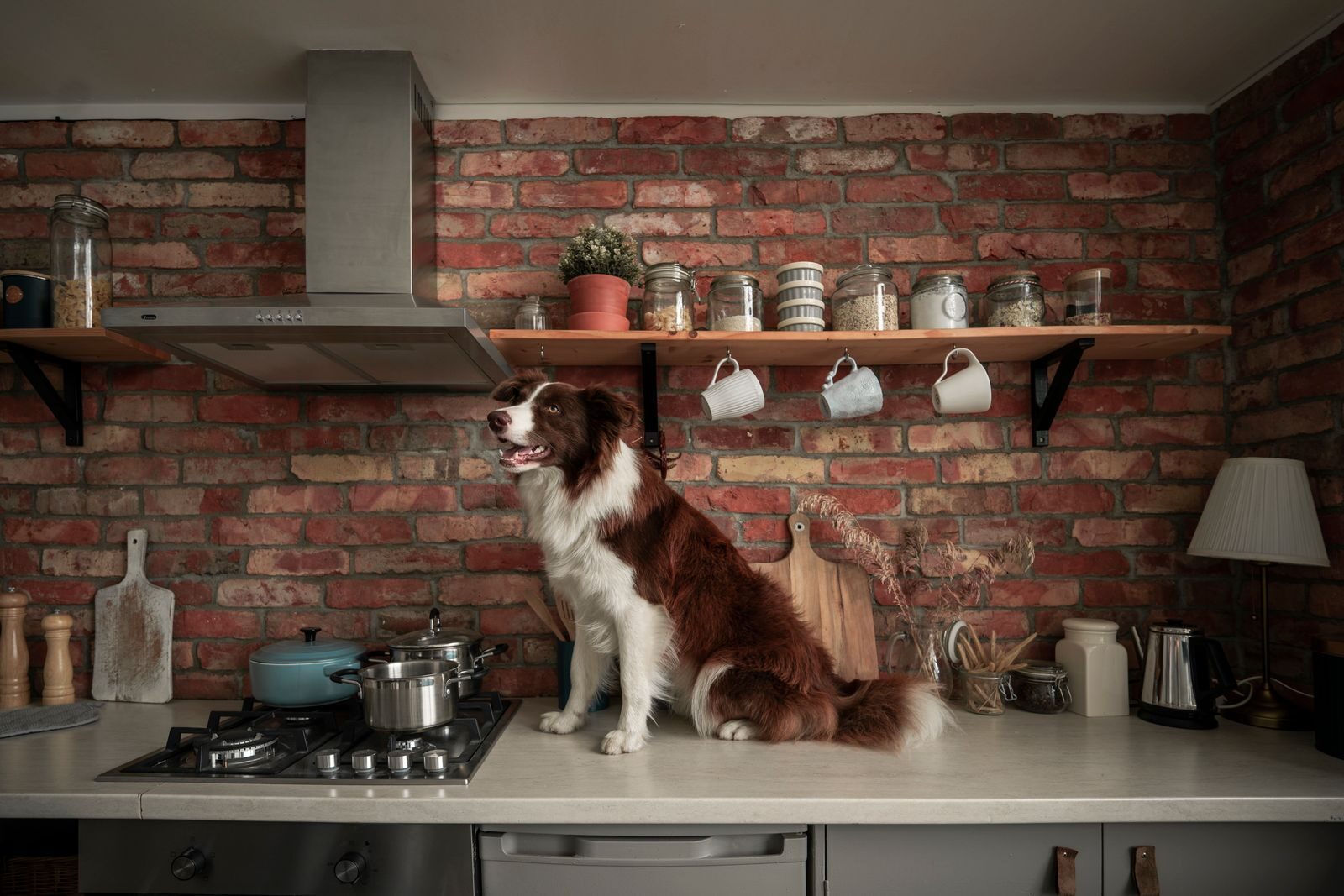
Is your furry friend making themselves at home on your kitchen counters? From Hamilton’s Tim Hortons to the local bakery, counter-surfing is a common behaviour that can turn an ordinary morning into a chaotic scramble. While it might seem like harmless curiosity, letting your dog explore the counter can lead to accidents, spoiled food, or even ingesting something dangerous.
The good news? With patience and positive training techniques, you can teach your Hamilton companion that counters are for looking, not landing. This guide offers practical, humane strategies to keep your counters clear and your relationship with your dog harmonious.
Understanding Why Dogs Counter-Surf
Before we dive into solutions, let’s understand the common motivations behind this behaviour:
Natural Inquisitiveness
Dogs are born explorers! Counters offer a new vantage point, higher ground, and access to interesting smells and sights. From tracking crumbs under the fridge to observing the world from a different angle, the novelty is often irresistible.
Resource Guarding (Sometimes)
While less common now, sometimes counter-surfing can be linked to guarding resources. If your dog has learned that by jumping up, they can prevent others (or you!) from accessing certain items.
Opportunity
If you consistently ignore the behaviour or don’t supervise closely, your dog learns that jumping up gets a reaction or simply works. Hamilton homes with open floor plans or less counter supervision are particularly vulnerable.
Learned Behaviour
Many dogs pick this up from their owners or other dogs! If counter-surfing gets rewarded (even accidentally with attention), it’s likely to continue.
Prevention is Key: Keeping Counters Clear Before Your Dog Even Jumps
The best time to address counter-surfing is often before it becomes a habit. Here’s how to prevent the first jump:
Keep the Counter Clear
- Store Temptations Away: This is the simplest rule. Keep the surface clear of food, drinks, raw vegetables, and other tempting items. If something inevitably needs to be on the counter (like a cutting board), cover it with a mat or a secure lid.
- Clear Sweep: Make it a habit to clear your counters daily, especially before and after meals.
Manage Access Before Things Go Wrong
- Baby Gate: Install a baby gate at the entrance to the kitchen to limit access when you know food or chaos will be present.
- Crate When Unsupervised: Provide a safe, comfortable crate where your dog can be alone with you (or not) when you need to tend to the kitchen without supervision. Ensure crate training is positive so it’s a happy place.
- Supervised Chews: If you need to leave tempting items out (like safe, approved chew toys or a specific type of food), ensure close supervision until the habit is firmly established.
Training Strategies: Teaching Your Dog to Stay Off the Counters
Positive reinforcement is the most effective and humane way to teach your dog what not to do. Focus on rewarding the desired behaviour (staying on the floor).
Teach the “Off” Command
- Choose a cue: Decide on a word or phrase, like “Off”, “Floor It”, or “Leave It”.
- Practice Indoors: Have treats ready. When your dog jumps up, say your cue firmly. If they jump down immediately, reward them enthusiastically with a treat and praise. Repeat consistently. Practice near the counter first, then gradually increase the distance.
- Use a Harness: A gentle pinch or stop harness can be helpful if your dog is ignoring verbal cues. When they jump up, the harness gently stops them, then you reward compliance with a cue like “Off”.
Reward the Floor
- Value the Floor: Make the floor a desirable place. Use high-value treats, play, or chin scratches to encourage your dog to be on the ground.
- Reward Compliance: As soon as your dog jumps down, say the cue and reward them lavishly. Don’t wait for them to lie down perfectly, just reward the act of jumping down.
Management and Deterrence
- Physical Barriers: Double-sided tape on the counter (many small Canadian pet supply companies offer counter guards), motion-activated sprays (often harmless air or citronella), or sticky mats can make the ascent unpleasant or difficult.
- Close the Cabinet Doors: Ensure cupboards under the counters are securely closed to block easy access.
- Engage Your Dog: Provide engaging activities and sufficient exercise so they don’t jump counters out of boredom.
Consistency is Crucial
- All Hands on Deck: Ensure everyone in the household uses the same cue and enforces the rule. Inconsistent rules confuse the dog.
- Patience: Training takes time. Don’t get discouraged if it takes weeks or even months. Celebrate small successes!
- Avoid Punishment: Never use physical punishment, scolding, or spraying with water. This can create fear and damage your relationship with your dog.
When to Seek Help
If counter-surfing persists despite your efforts, or if you’re concerned about the root cause, don’t hesitate to consult a Hamilton certified professional dog trainer or a local animal behaviourist. They can provide personalized guidance.
Hamilton-Specific Considerations
While counter-surfing is a general behaviour, consider Hamilton’s specific environment:
- Popular Hangouts: Keep an eye out near places like Tim Hortons or local cafes where food smells might be strong and tempting.
- Community Resources: Look into local Hamilton dog training groups or community workshops for support and shared experiences.
Wrapping Up
Teaching your dog not to counter-surf is about establishing clear boundaries and positive associations. By using consistent, reward-based training and prevention strategies, you can keep your Hamilton home counters clear and keep your relationship with your furry friend strong. Remember to be patient and celebrate every success along the way!