In this story
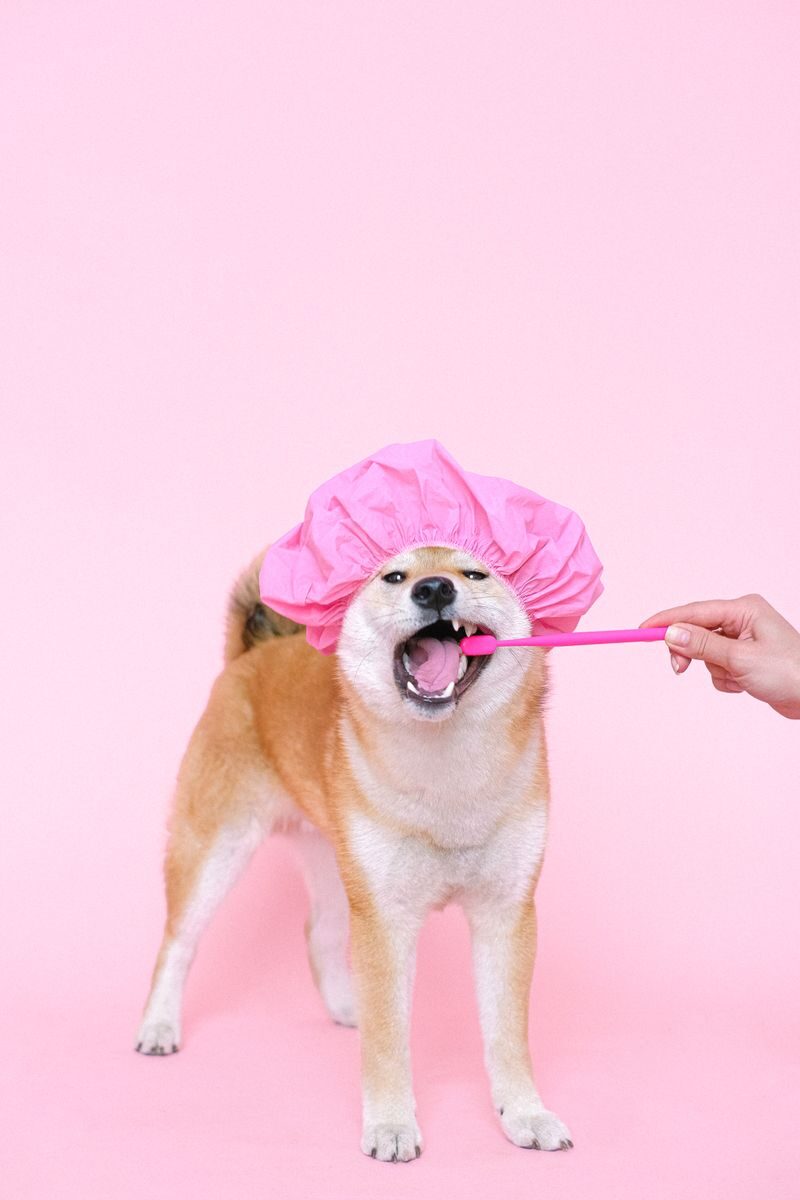
Why Your Hamilton Dog Needs Regular Teeth Brushing
Just like people in Hamilton need to brush their teeth to prevent cavities and gum disease, our canine companions absolutely require the same care for their dental health. Unfortunately, dogs don’t naturally brush their teeth like humans do. Their diet, particularly dry kibble, doesn’t effectively clean their teeth as efficiently as brushing does. While municipal water supplies across Canada, including in Hamilton, often include fluoride which helps strengthen teeth, it’s not a substitute for regular brushing.
Dental disease in dogs is incredibly common and can lead to pain, difficulty eating, bad breath, and even more serious health issues affecting their heart, kidneys, and liver. Starting at-home teeth brushing early can significantly reduce the need for costly and stressful veterinary dental procedures later on. Making this a regular part of your pet care routine is one of the best gifts you can give your Hamilton dog.
Essential Tools for Brushing Your Dog’s Teeth
You don’t need an extensive dental kit to get started. The goal is to find tools your dog is comfortable with. Here are the basics:
Dog Toothbrushes
- Standard Finger Cots/Small Sponges: These are often the easiest for beginners. Simply rub the sponge over the teeth and gums.
- Children’s Toothbrushes: A soft-bristled toothbrush designed for kids can work well, especially if your dog isn’t too sensitive.
- Dental Chews: Specialized dog toothbrushes come in various sizes and shapes. Look for one that fits comfortably in your hand and has a head small enough to reach all areas of your dog’s mouth.
Dog Toothpastes
- Fluoride-Free Paste: For the very first time, it’s safest to use a fluoride-free toothpaste specifically made for dogs. These come in flavours like poultry, beef, or even peanut butter (ensure it’s xylitol-free, as xylitol is toxic to dogs!). Many small Canadian pet supply companies offer tasty options.
- Fluoride Paste (After Veterinary OK): Once your dog gets used to the routine and you’re comfortable, you can transition to fluoride-containing toothpaste, but always consult your Hamilton-area veterinarian first.
Important: Human toothpaste contains foaming agents and flavours (like mint) that can upset a dog’s stomach. It also lacks the appropriate ingredients for canine dental health and may contain xylitol.
Getting Started: Making Brushing a Positive Experience
Introducing your dog to teeth brushing can feel daunting, but with patience, it’s achievable. Here’s how to start:
Step 1: Familiarize Your Dog with the Tools
Before you even think about touching their teeth, let your dog sniff and taste the toothbrush and toothpaste. You can rub a smear of the dog-safe toothpaste on the brush and let them lick it off. This desensitizes them to the taste and texture.
Step 2: Gentle Touch – Touch Their Lips and Tongue
Begin by simply touching their lips and tongue with your finger or the brush, then gently rub the roof of their mouth. Reward them generously with praise and small treats. Gradually increase the duration and pressure over several days or weeks.
Step 3: Introduce Toothpaste (If Needed)
If your dog is resistant to the toothpaste, offer them a lick of it from your finger first. Praise them enthusiastically. Then, apply a small amount to the brush and let them taste it while you gently rub their lips and tongue.
Step 4: Focus on the Outer Surfaces
Once your dog is comfortable with the touch and taste, start gently rubbing the outer surfaces of their front teeth (where plaque and tartar are most visible). Keep the pressure light and continue rewarding.
Step 5: Gradual Progression
Slowly work your way around their mouth, introducing the inner surfaces and back teeth. Be patient – this process takes time. Each session should be short, fun, and end on a positive note.
The Proper Brushing Technique
When you and your dog are ready for a more thorough cleaning:
- Angle the Brush: Hold the brush at a 45-degree angle to the gum line, angling the bristles towards the gums.
- Use Gentle, Circular Motions: Use small, gentle circular motions to clean the teeth and gum line. Avoid scrubbing harshly.
- Cover All Surfaces: Be sure to clean all surfaces: the outer, inner, and chewing surfaces of all teeth.
- Be Patient: If your dog moves their head, pause. Don’t force them. Keep sessions short and positive.
Tips for Success in Hamilton
- Frequency: Aim for daily brushing if possible, but even three times a week makes a significant difference in reducing plaque and tartar.
- Positive Reinforcement is Key: Use lots of praise, enthusiastic tone, and high-value treats (like small pieces of chicken or dog-appropriate snacks). Never force or make it a punishment.
- Start Early: The younger the dog, the easier it is to establish the routine. Puppies adapt quickly to new routines.
- Be Consistent: Try to brush at the same time each day, making it a regular part of your pet care schedule.
- Use Enzymatic Water Additives (Optional): Some dog owners supplement brushing with enzymatic water additives designed to help break down tartar as they drink. Check with your vet about these.
- Diet Matters: High-quality dry kibble provides some plaque reduction, but it’s not a substitute for brushing. Raw diets can sometimes increase tartar, so discuss the best diet for your dog’s dental health with your vet.
- Professional Cleanings: Even with excellent at-home care, professional dental cleanings under anesthesia may be necessary at some point in your dog’s life. This is a normal procedure performed by Hamilton veterinarians.
When to Seek Professional Help
If your dog shows signs of significant dental pain (drooling, reluctance to eat, pawing at mouth, bad breath that doesn’t improve), or if you notice large tartar deposits, broken teeth, or bleeding gums, consult your Hamilton veterinarian. These are signs that professional dental care is needed.
Final Thoughts for Hamilton Dog Owners
Brushing your dog’s teeth is a valuable part of responsible pet ownership, contributing significantly to their overall health and longevity. While it requires patience and consistency, the payoff is a healthier, happier dog with fresher breath. Start slowly, be positive, and don’t hesitate to ask your local Hamilton veterinarian for recommendations on dog-friendly toothpastes or brushes if you’re unsure where to begin.