In this story
Keep Your Calgary Dog’s Nails Trimmed Safely This Winter
Between Calgary’s crisp winter air and busy summer days, keeping your dog’s paws in good shape is essential. Long nails can cause discomfort, affect their posture, and even lead to painful splinters. While it might feel like a chore, maintaining proper nail length is a crucial part of responsible dog ownership, especially for our furry friends here in Alberta.
Whether you’re a new dog owner or have been navigating Calgary’s four seasons with your canine companion, you’ve probably wondered about the best way to keep those nails trimmed without causing any harm. This guide is designed to provide practical, straightforward advice tailored for Calgary dog owners.
Why Regular Nail Trimming Matters in Calgary
Calgary’s unique environment makes maintaining proper nail length particularly important:
-
Snow and Ice: While snow might seem soft, constant contact with packed snow, ice, or even the soles of your boots can actually prevent some dogs’ nails from wearing down naturally. Dogs that spend a lot of time on slippery surfaces might need more frequent trims.
-
Hard Surfaces: Calgary’s sidewalks and pavement are hard on nails. While they help wear them down, they don’t always trim them evenly or sufficiently, leading to overgrowth.
-
Discomfort and Pain: Long nails can curl painfully into the paw pad, causing significant discomfort. They can also catch on carpets, rugs, or snow, leading to painful tears or infections.
-
Balance and Injury: Overgrown nails act like uncomfortable shoes, throwing off your dog’s stance and potentially causing limping or joint strain. They can also get easily caught on things, leading to sprains or worse.
-
Hygiene: Long nails can trap dirt and bacteria under the quick, increasing the risk of infection.
Essential Tools for the Job
You don’t need to break the bank to keep your Calgary dog’s paws healthy. Here are the absolute essentials:
1. Nail Clippers
- Basic Guillotine Clippers: These are often recommended for most dogs. They’re quick, relatively quiet, and provide straight cuts. Look for ones with a guard (unless you’re experienced and know to remove it).
- Small Scissors (Dumont): These small, curved scissors can be used for very thick nails or for trimming just the tip where the guillotine might struggle.
2. Treats
- Having small treats on hand is crucial. Rewarding your dog for cooperating makes the experience much less stressful for everyone involved.
3. Nail Grinder (Optional)
- These can be useful, but often produce more noise and dust than clippers. If using one, ensure it’s battery-operated and easy to control. They’re sometimes recommended for sensitive dogs that don’t handle quick snips well, but start with clippers first.
4. A Calm Environment
- This isn’t technically a tool, but it’s perhaps the most important. Find a quiet, comfortable spot at home where your dog feels safe and relaxed.
5. Small Canadian Brands (Optional)
- You can find quality nail clippers and grooming supplies from small Canadian pet companies, offering gentle, effective options for everyday care.
How to Trim Your Dog’s Nails: A Step-by-Step Guide
Approach this process calmly and patiently. Rushing can lead to accidents or stress for your dog.
1. Prepare Yourself and Your Dog
- Gather all necessary supplies: Clippers, treats, maybe a towel for extra comfort if needed.
- Choose a good time: When your dog is relaxed, perhaps after a walk or playtime. Avoid times they are hungry, tired, or overly excited.
- Clip one or two nails at a time: Don’t try to do all paws at once if your dog is nervous.
2. Examine Each Nail
- Look carefully: Check the colour of the nail. Most dogs have a pinkish or whitish area called the “quick” (similar to a fingernail). This is sensitive and contains blood vessels and nerves. You won’t see it in light-coloured nails, but it’s often visible in darker nails.
- Identify the cutting line: For most dogs, the safe line to cut is the very tip of the nail. You can judge this by seeing where the nail naturally meets the ground or the surface they are on. This is the “safe zone”.
3. Cut the Nails
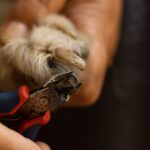
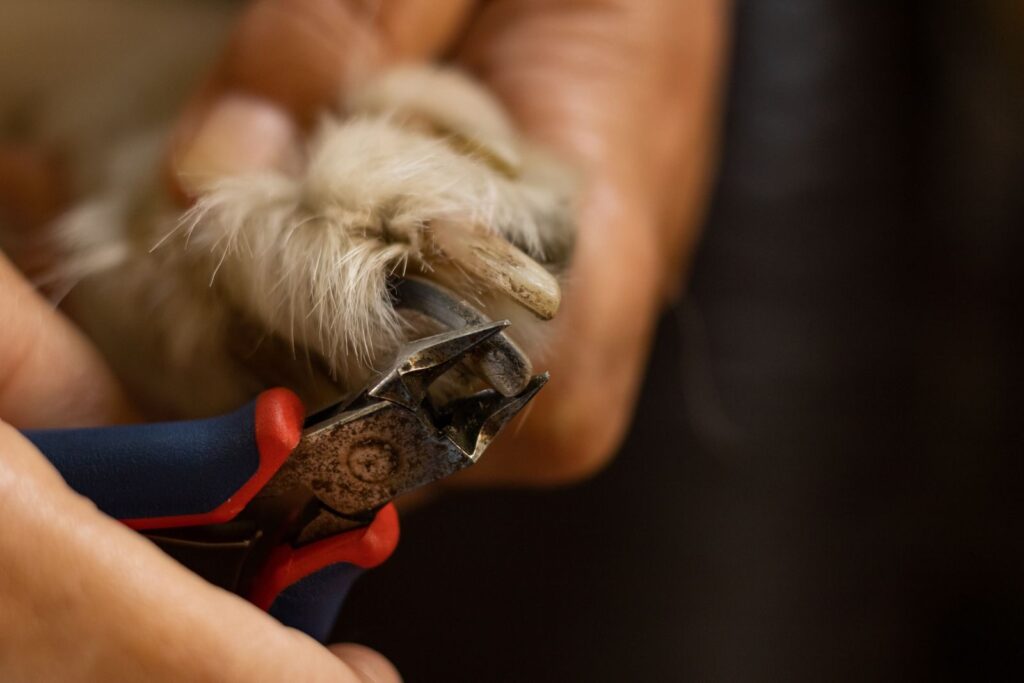
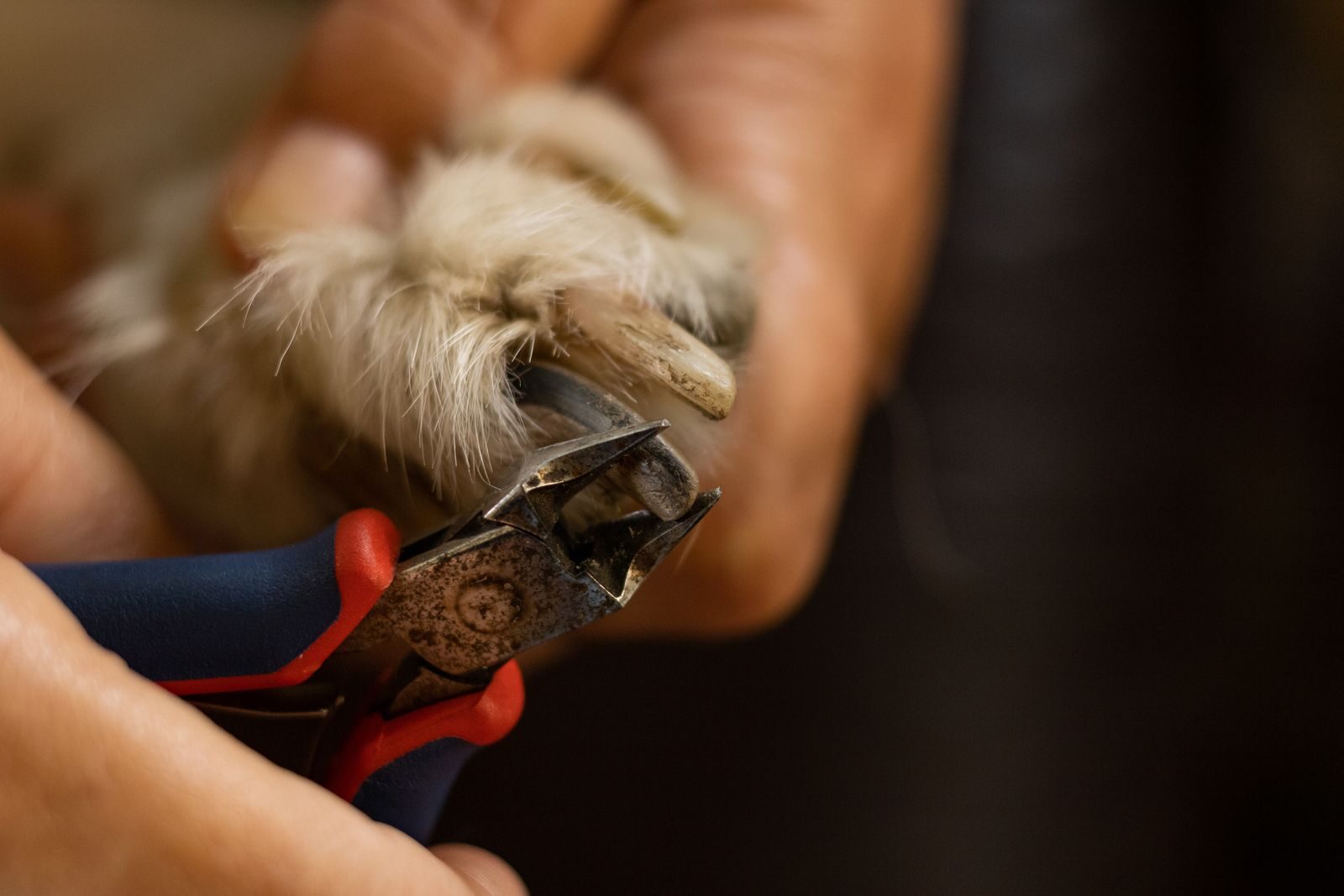
- Hold the clippers at the base: Position the clipper where you want to cut and squeeze firmly and quickly to trim a small amount.
- Start small: Especially if your dog has dark nails (where you can’t see the quick). Trim tiny amounts at a time and check after each trim. You can always trim more, but you can’t unclip too much.
- Avoid cutting the quick: This is the most important rule! Cutting the quick is extremely painful and causes bleeding. It’s impossible to see in dark nails, making it a risk you must avoid.
4. Check for Bleeding
- Minor cuts: If you cut too close and bleed a little, it’s usually minor. Apply gentle pressure with a clean cloth or styptic powder (specifically made for pet nail clips) to stop the bleeding.
- Seek advice: If you repeatedly cut the quick, consult your vet or a professional groomer.
5. Clean Up
- Reward: Give your dog a treat and lots of praise. Positive reinforcement is key.
- Inspect: Check the other paws, repeating the process.
Safety Tips for Nail Trimming
- Be Prepared for Accidents: Even experienced owners sometimes cut the quick. If it happens, stay calm. Apply pressure, and consult your vet if it doesn’t stop.
- Desensitize to the Clippers: If your dog is terrified of the sound, you can put the clippers near them without cutting for a while, associating the noise with positive things.
- Ask for Help: If your dog is extremely anxious or uncooperative, it’s okay to ask a calm friend or family member for assistance in holding them still.
- Consider Professional Grooming: Many Calgary-area pet groomers offer nail trimming services. This is a great option if you’re uncomfortable doing it yourself or if your dog has particularly thick or dark nails.
- Handle Anxious Dogs Gently: For dogs that are scared, try using a gentle touch desensitization method. Rub their paws gently, then lift one toe at a time, and slowly introduce the clippers.
How Often Should You Trim Your Dog’s Nails?
This varies significantly from dog to dog and depends on their activity level, coat length (longer coats can sometimes help pad the feet, reducing the need for trimming), and the surfaces they walk on.
As a general guideline for most medium to large breed dogs in Calgary:
* Every 2-4 weeks: This is often sufficient.
* Every 4-8 weeks: For smaller breeds or dogs with slower nail growth.
Look for signs that a trim is needed:
* Clicking on Hard Surfaces: If you hear clicking on pavement, it’s often a sign they’re too long.
* Difficulty Walking Comfortably: If your dog seems to be limping or avoiding certain surfaces.
* Overgrown Nails: Visually inspecting their feet regularly.
Conclusion: Healthy Paws for Happy Calgary Dogs
Keeping your Calgary dog’s nails trimmed is a simple yet vital part of their care routine. By using the right tools, understanding the anatomy, and approaching the task calmly, you can ensure your best friend walks, runs, and plays comfortably all year round. Remember to prioritize safety, be patient, and don’t hesitate to seek professional help if needed. Happy paws start at home!