In this story
Calgary is a house city. About 55 percent of Calgary homes are single-detached houses, from older inner-city lots to the big suburban yards of the deep south and northwest. A real backyard changes the dog math completely: no elevator, no shared walls, no patio-sized patch of grass — just a door you open and a dog already running.
That space unlocks the breeds apartments and townhouses cannot fairly hold: bigger, higher-energy dogs that need to sprint, fetch, dig and burn off steam every single day. The Calgary catch is the climate — prairie cold snaps, Chinook mood swings and coyotes along every ravine. Here are six breeds that make the most of a Calgary backyard.
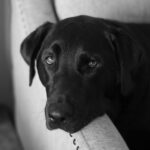
Labrador Retriever
The Lab is the backyard default for a reason. Fetch is not a game to a Labrador, it is a job description, and a proper Calgary yard gives one room to do it daily — morning throws before work, evening rounds after supper, and a dog that settles indoors because it has actually moved.
That thick double coat shrugs off Calgary winters, and the same dog that tears around a snowy yard in January will happily swim all summer. The honest costs are mud and hair: Chinook thaws turn yards into slop, so a paw-wipe station by the back door earns its keep from November to April.
Australian Shepherd
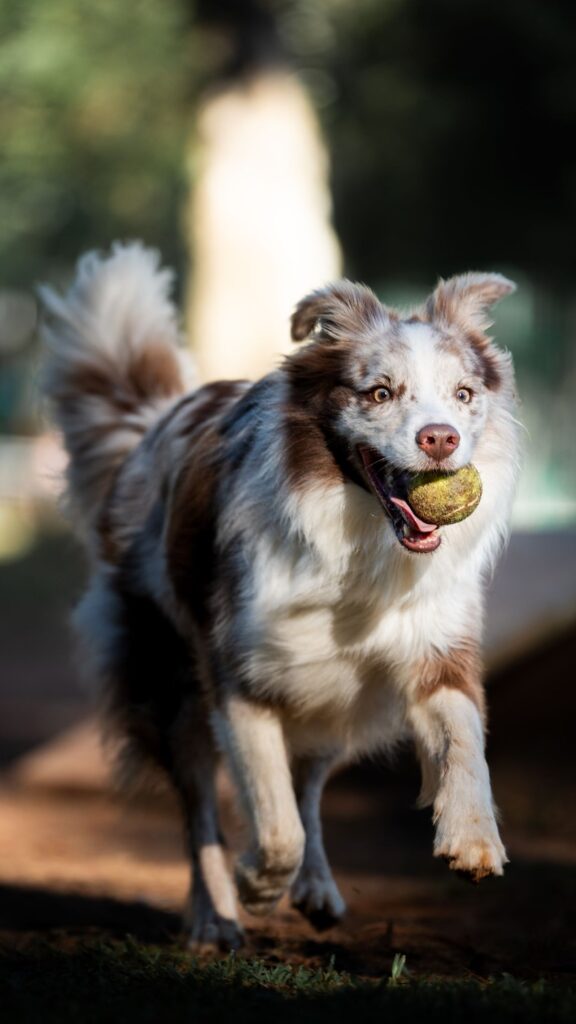
Despite the name, the Aussie is a ranch dog through and through, and Calgary is ranch country. At 40 to 65 pounds it is an athlete with a brain to match — the dog that turns a backyard into a training ground for fetch, frisbee and agility games.
A bored Aussie invents its own projects, and in a backyard those projects involve digging and landscaping. Give the dog jobs, rotate the games, and use the yard for short training sessions through the day. The merle coat handles cold well; it is the mind, not the body, that needs the daily workout.
Border Collie
The Border Collie is the backyard athlete at its most intense. This is the breed for owners who actually want to spend an hour in the yard: endless fetch, frisbee, soccer with a herding ball, trick training. A fenced Calgary yard gives a Collie daily work between weekend trips to the foothills and the off-leash areas.
Under-worked, a Border Collie will herd your children, chase bikes along the fence line and patrol the perimeter like it is paid to. They are also serious diggers when bored. This breed rewards experienced, active owners — and dismantles the yard of anyone who expected a casual pet.
Siberian Husky
If any breed was built for a Calgary January, it is the Husky. When a cold snap drops the city to minus 30, a Husky is not enduring the backyard — it is holding court in the snow, curled in a drift by choice while the other breeds ask to go back inside.
The caveats are famous and real: Huskies are escape artists. They jump, they climb and they dig like excavators, so a Husky yard needs a tall, secure fence, a latched gate and regular checks along the fence line. They also shed their coats in drifts twice a year. Owners who husky-proof the yard get a clownish, social, cold-proof companion.
German Shepherd
The German Shepherd is the big, serious backyard dog: 50 to 90 pounds of loyal, trainable energy that needs space to move and a household to watch over. A yard gives a Shepherd room for training drills, tug and fetch, and the breed’s double coat handles prairie winters without complaint.
Shepherds bond hard and think constantly, which cuts both ways. Early socialization and consistent training are non-negotiable, and a Shepherd left alone in a yard all day will bark at everything that passes the fence. With work and company, few breeds are more devoted.
Boxer
The Boxer is pure backyard joy: a muscular, bouncy comedian whose signature move is the full-speed yard zoomie, ideally with an audience. Boxers play hard in bursts, adore kids, and use every square foot of a fenced yard for wrestling, chasing and showing off.
The Calgary caveats are weather at both ends. That short coat and flat face mean real cold snaps call for a coat and shorter outings, and July heat means play moves to mornings and evenings with water always out. In between — most of the year — a Boxer and a Calgary backyard are perfectly matched.
Good to know before you go
Start with the licence. Under Calgary’s Responsible Pet Ownership Bylaw, every dog must be licensed by three months of age — $45 a year for a spayed or neutered dog and $71 if intact in 2026 — and a household may keep up to six dogs. Calgary has no breed-specific legislation. Off your property, dogs must be leashed, with a leash no longer than two metres on pathways; the exceptions are designated off-leash areas — about 160 of them, covering some 1,145 hectares — and your own yard. From December 15, 2026, an e-collar no longer counts as a leash, and your dog must wear its licence tag whenever it is off your property.
Now the fence, because the backyard only works if the dog stays in it. Calgary’s Land Use Bylaw caps a rear-yard fence at 2.0 metres without a permit — build to the full height if you have a jumper, fit a self-closing latch on the gate, and walk the fence line regularly, because determined diggers go under faster than you would think. Coyotes are the other regular visitors: they live along Calgary’s rivers, ravines and storm ponds and do get into yards. The City’s advice is simple — never leave pet food outside, clean up fallen fruit and after your dog, secure the areas under decks, and accompany your dog in the yard at dawn, dusk and night rather than letting it out alone. Haze any coyote you see on your property: shout, wave, bang a pot until it leaves.
Winter yard management is its own routine. Shovel a path and a clear relief patch after storms, check paws for ice balls, and expect the Chinook cycle — deep freeze, melt, mud, repeat — to test both your lawn and your floors. A dog with a Calgary backyard gets the best version of prairie life, as long as the fence is honest and the gate is latched. For more ways to get out together, explore our other Calgary guides on Canada Mutts — dog parks, dog trails and dog-friendly restaurants included.