In this story
Why Socialization Matters for Your Dog at Every Age
As a dog owner in Mississauga, you’re likely aware that raising a happy, healthy canine companion involves more than just feeding and walks. One of the most crucial elements of responsible dog ownership is ensuring proper socialization. But did you know that socialization isn’t just something puppies need to learn? It’s an ongoing process that benefits dogs throughout their entire lives?
Socialization refers to a dog’s exposure to various people, environments, sounds, and other animals in a positive and controlled way. This exposure helps them learn appropriate behaviours and reduces the likelihood of fear-based reactions later in life. While the critical socialization period is often cited as being between three and twelve weeks of age, the importance of continued socialization throughout a dog’s life cannot be overstated.
Understanding Socialization: More Than Just Puppyhood
Think of socialization as building your dog’s emotional toolkit. During their formative weeks, puppies are little sponges, absorbing experiences and learning how the world works. Positive exposure helps them develop confidence and teaches them that new things, unfamiliar people, and other animals are generally not something to fear.
However, this foundation needs to be maintained and built upon throughout their lives. Dogs, like people, can experience changes and encounter new situations that might trigger past fears or create new anxieties. Ongoing socialization helps reinforce positive coping mechanisms and keeps their social skills sharp.
The Lifelong Benefits
- Reduces Anxiety and Fear: Consistent positive exposure helps dogs learn to manage their reactions to novel stimuli. A well-socialized dog is less likely to become overly anxious or fearful in everyday situations they encounter in Mississauga, whether it’s the sound of a passing car, a jogger on the path, or a birthday party.
- Promotes Calmness and Confidence: Dogs that feel comfortable in their environment and around various people and animals are generally calmer and more confident. This makes them better companions and easier to handle in everyday situations, from navigating busy streets to relaxing at the lakeshore.
- Reduces Aggression: Fear often leads to aggression. By addressing potential fears early and reinforcing positive interactions, socialization helps prevent resource guarding, reactivity towards other dogs, or fear-based aggression from developing or escalating.
- Improves Trainability: A dog that is comfortable in its surroundings and with people is generally more receptive to training. They are less likely to become distracted, fearful, or resistant, making learning commands and desired behaviours easier.
- Strengthens the Human-Canine Bond: Positive social interactions, including those with their human family, help build trust and strengthen the bond between you and your dog. A well-socialized dog is more likely to view you as a positive part of their social world.
Nurturing Social Skills at Different Life Stages
While the core principle remains the same, how you approach socialization might change slightly depending on your dog’s age:
Puppyhood (3-12 Weeks): The Critical Window
This period is often highlighted as the most crucial for socialization. During these weeks, puppies are exploring the world and forming early impressions. Exposing them to:
* Different people (all ages, wearing various clothing)
* Other vaccinated puppies (in safe, positive environments)
* Various household sounds (stereos, dishwashers, phones)
* Gentle handling (tummies, paws, ears)
* Safe, controlled environments (like the quiet corners of a park)
Positive experiences during this time help lay a strong foundation. In Mississauga, consider safe, off-leash playdates with known friendly dogs in areas like conservation areas or quiet sections of the lakeshore.
Adolescence (3-6 Months Onwards): Testing Boundaries
As puppies become adolescents, their energy levels increase, and their personalities start to emerge. This is a time when they might become more wary or reactive. Continue positive socialization, but be mindful of:
* Managing potential fear or reactivity towards new things.
* Ensuring positive interactions with other dogs and people.
* Teaching appropriate greetings and boundaries.
* Consistent training and supervision is key during this testing phase.
Adulthood (1 Year Onwards): Maintaining Composure
Adult dogs still need ongoing socialization to maintain their composure. As dogs in Mississauga encounter different neighbourhoods, weather changes, and recurring sights and sounds, continued exposure helps them adapt calmly.
* Regular walks in varied environments (busy streets, quiet residential areas, near parks).
* Visits to different parks or public spaces.
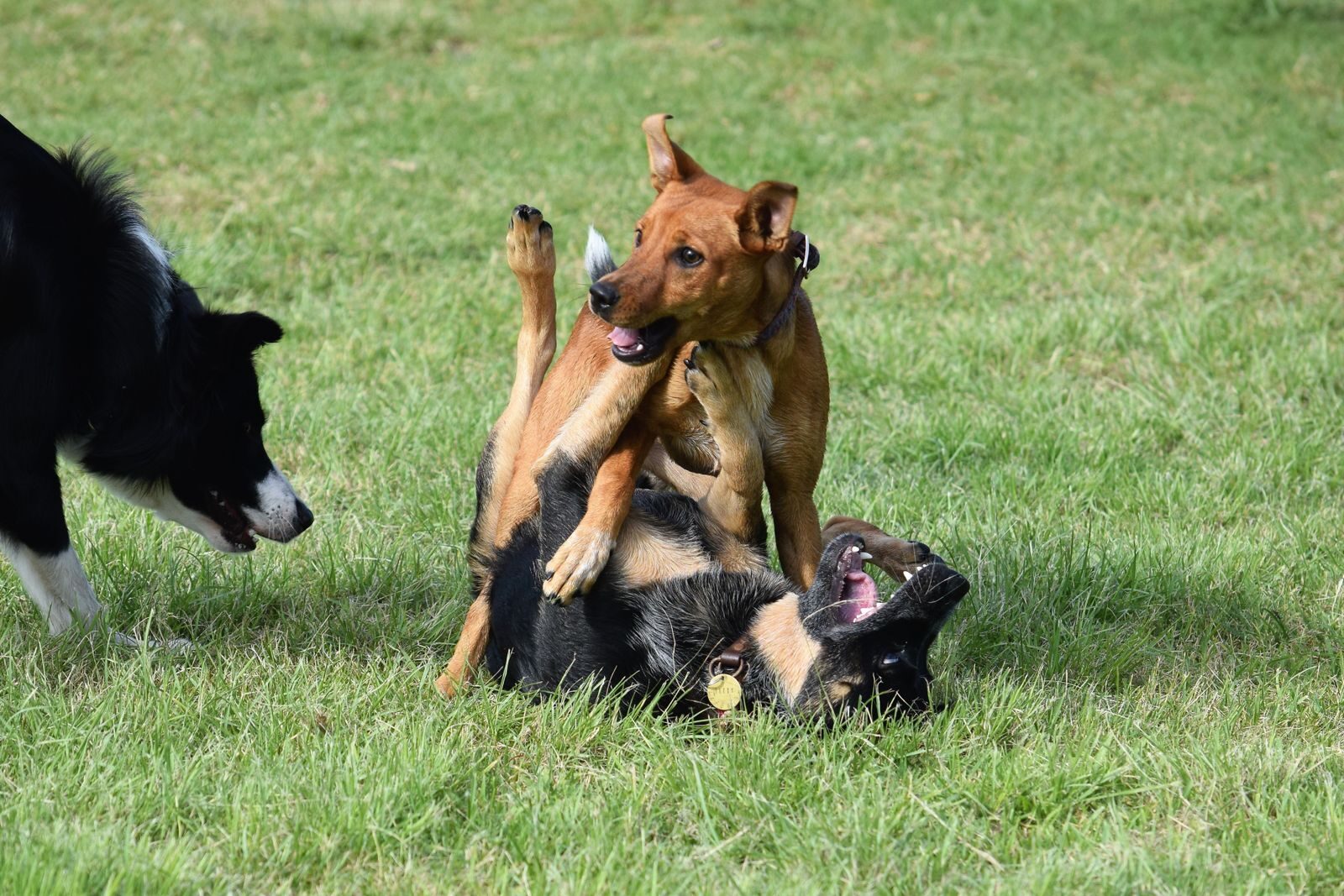
* Controlled interactions with other dogs at the dog park (if your dog enjoys it).
* Exposure to different people (visitors, mail carriers, service providers).
Senior Years (7+ Years): Adapting to Change
Even older dogs can benefit from continued, gentle socialization. While their energy might decrease, exposing them to familiar situations and environments helps maintain their mental health and prevents age-related fears.
* Continue regular, low-stress exposure to familiar sights and sounds.
* Maintain positive interactions with people and dogs they know.
* Adapt gradually to any significant changes in their environment or routine.
* Short, positive outings can help keep their social skills active.
Practical Tips for Socializing Your Mississauga Dog
Socialization doesn’t have to be complicated. Here are some practical ways to keep your dog socially adept:
Positive Experiences are Key
Always aim for positive reinforcement. Use treats, praise, or play to associate new experiences with something good.
Go Slow and Be Patient
Introduce new things gradually. If something seems overwhelming for your dog, step back and try again later. Patience is essential.
Safe and Controlled Environments
Start in low-stress settings. Mississauga’s parks offer great opportunities, but choose quieter times or areas initially.
Focus on the Positives
When meeting other dogs or people, focus on the positive interactions. Allow your dog to approach if they seem comfortable, rather than forcing interactions.
Read Your Dog’s Signals
Pay attention to your dog’s body language. If they seem tense, avoidant, or fearful, respect their need for space. Don’t force interactions that cause stress.
Mississauga-Specific Considerations
Our diverse city offers many opportunities for socialization:
* Utilize various Mississauga parks and conservation areas for exposure to different environments.
* Attend local events or classes (check Mississauga library or community centre listings).
* Leverage dog-friendly cafes or businesses (always ensuring they are properly set up).
* Remember to always clean up after your dog and be considerate of others.
Socialization is a vital, ongoing component of raising a well-adjusted dog in Mississauga. By understanding its importance at every age and incorporating positive social experiences into your dog’s life, you’re helping them become a confident, relaxed, and happy companion for years to come.