In this story
Introduction: Summer Heat and Your Dog’s Comfort
Ah, summer in Calgary – beautiful days, outdoor adventures, and the Calgary Stampede! But with warmer temperatures comes the responsibility of keeping our furry friends cool and comfortable. Dogs regulate their body temperature differently than humans, and without proper care, they can quickly overheat. As a proud Calgarian dog owner, ensuring your best friend stays safe during Calgary’s summer months isn’t just a suggestion; it’s a necessity. This guide offers practical, actionable tips to help your dog beat the heat, right here in the Peace Country.
Understanding Your Dog’s Heat
Before diving into cooling strategies, it’s crucial to understand how dogs handle heat:
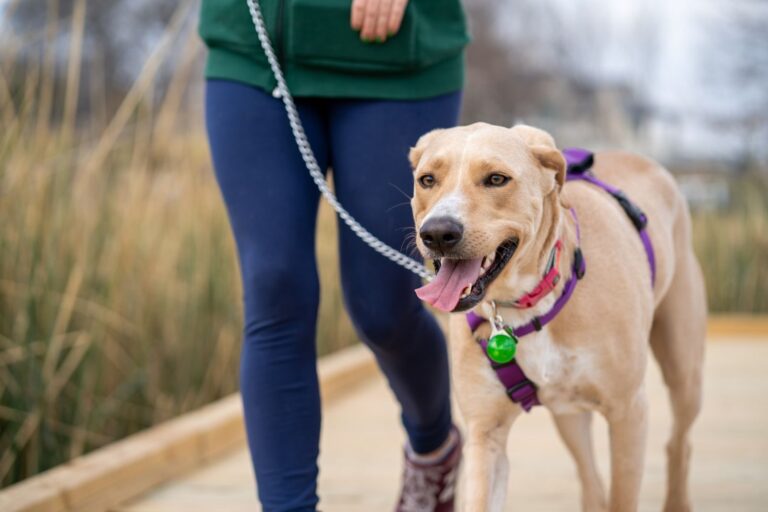
- Panting is Key: Unlike humans who sweat, dogs primarily cool themselves through panting. This rapid breathing evaporates moisture from their tongue and respiratory tract.
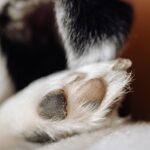
- Limited Sweating: Dogs only sweat minimally through their paw pads, so this isn’t an effective cooling mechanism.
- Breed Matters: Some breeds are more susceptible to heat than others. Short-nosed breeds (like Pugs, Boxers, or Shih Tzus) have more difficulty cooling themselves due to reduced panting efficiency. Double-coated breeds (like Huskies or Malamutes) can actually insulate themselves more, sometimes making them feel hotter.
- The Temperature Guide: While humans find 30°C+ uncomfortable, dogs get stressed at much lower temperatures. A general guideline is that dogs start to become distressed above 32°C (90°F), especially with high humidity.
The Absolute Basics: Hydration and Shade
These might seem obvious, but they are the cornerstones of dog safety in the heat:
Hydration Station
- Fresh Water, Constantly: Ensure fresh, clean water is available indoors and outdoors at all times. Change it frequently to keep it appealing.
- Water Flow: If your dog enjoys drinking running water (like from a sprinkler or a pet fountain), that’s even better as they’re more likely to drink it.
- Know the Signs of Dehydration: Saliva thickening (dry mouth), lethargy, excessive panting, and dark, concentrated urine are warning signs. If you suspect dehydration, offer water and consult your vet if necessary.
Creating Shade
- Indoor Retreats: Designate cool indoor spaces. Basements or rooms away from direct sunlight are ideal. Use fans or air conditioning (set to a comfortable but not freezing temperature – around 24-26°C or 75-79°F is often sufficient for dogs).
- Outdoor Shade: Even on cloudy days, Calgary can get hot. Position your dog’s bed, crate, or resting area under trees or in the coolest part of your yard. Consider a pet tent or a covered patio.
Cooling Methods: What Works and What Doesn’t
Here are some effective ways to help your dog cool down, keeping in mind Calgary’s environment:
- Cooling Mats and Pads: These often use water and phase-change materials to absorb heat. Ensure they are designed for pets and placed on cool surfaces.
- Wet Paws and Ears: Dogs can tolerate having their paw pads and ears gently misted with cool (not ice-cold) water. Some dogs love it, others might not. Avoid spraying ice-cold water directly on their bodies, as it can cause them to shiver.
- Baths: Occasional baths can be cooling, especially in shallow water or with cooling sprays. Use lukewarm or cool water, not ice-cold, to prevent shivering. Pat them dry gently, as wet fur can insulate.
- Cooling Vests and Collars: Products designed to wick moisture or have cooling elements can help, but ensure they don’t restrict breathing.
- Frozen Kongs or Toys: You can freeze safe, chew-resistant toys filled with water or dog-safe peanut butter. They can provide hours of cooling fun.
- Avoid Overheating Surfaces: Asphalt, hot pavement, and decks can burn your dog’s paw pads. Use booties or check surfaces before letting them walk.
What NOT to Do
- Don’t Leave Your Dog in a Car: EVER. Cars heat up incredibly quickly, even with windows cracked, posing a severe risk of heatstroke.
- Don’t Use Human Ice Packs Directly: Extreme cold can shock their system. Use towels soaked in cool water instead.
- Avoid Spraying Ice Water: As mentioned, it can cause shivering.
Outdoor Activities: Timing and Precautions
While exploring Calgary’s beautiful parks is essential, safety comes first:
- The Golden Rule: Avoid walks and outdoor activities during the hottest part of the day, typically between 10 am and 4 pm, especially during sunny summer months.
- Check the Temperature: Before heading out, check the temperature. If it’s above 27°C (80°F), reconsider long walks or hikes.
- The Buddy System: Keep a close eye on your dog. If they’re panting heavily, slowing down, or seem uncomfortable, stop and rest.
- Hydrate on the Go: Carry a large bowl of fresh water for longer walks or visits to off-leash areas.
- Local Parks: Calgary offers many great options like Nose Hill Park (be mindful of heat), or Fish Creek Provincial Park (has water access). Always stick to leashes during extreme heat unless you’re in a safe, shaded off-leash area.
- Stay Near Water: Parks near the Bow River (like Inglis Bridge Dog Off-Leash Area) allow your dog to dip their paws or cool off.
- Recognize Heatstroke: Signs include excessive drooling, bright red gums, rapid breathing, weakness, or collapse. Heatstroke is life-threatening and requires immediate veterinary attention.
Nutrition and Routine Adjustments
- Smaller, More Frequent Meals: In hot weather, dogs may prefer smaller, more frequent meals as digestion can be slightly affected by heat.
- Limit Exercise: Reduce the duration and intensity of play and training sessions during hot periods.
- Consider Your Dog’s Coat: While regular grooming is important year-round, ensuring your dog isn’t overly matted can help with heat dissipation. However, don’t shave them drastically unless they have a thick, insulating coat like a Husky, which can help regulate temperature.
Community Resources and Help
- Know Your Neighbourhood: If your dog shows severe heat-related distress, neighbours might be able to help temporarily while you rush them to the vet.
- City Services: Keep an eye on local animal care resources, like the Calgary Humane Society, for any heat-related warnings or tips.
Conclusion: A Cool Calgary Summer for Your Dog
Keeping your Calgary dog cool this summer requires vigilance and some simple adjustments to your routine. By focusing on hydration, providing ample shade, using safe cooling methods, and planning outdoor activities carefully, you can ensure your best friend enjoys the warmer months just as much as you do. Remember, your dog’s health and safety are paramount, especially during Calgary’s summer heat. Stay cool, Calgary style!