In this story
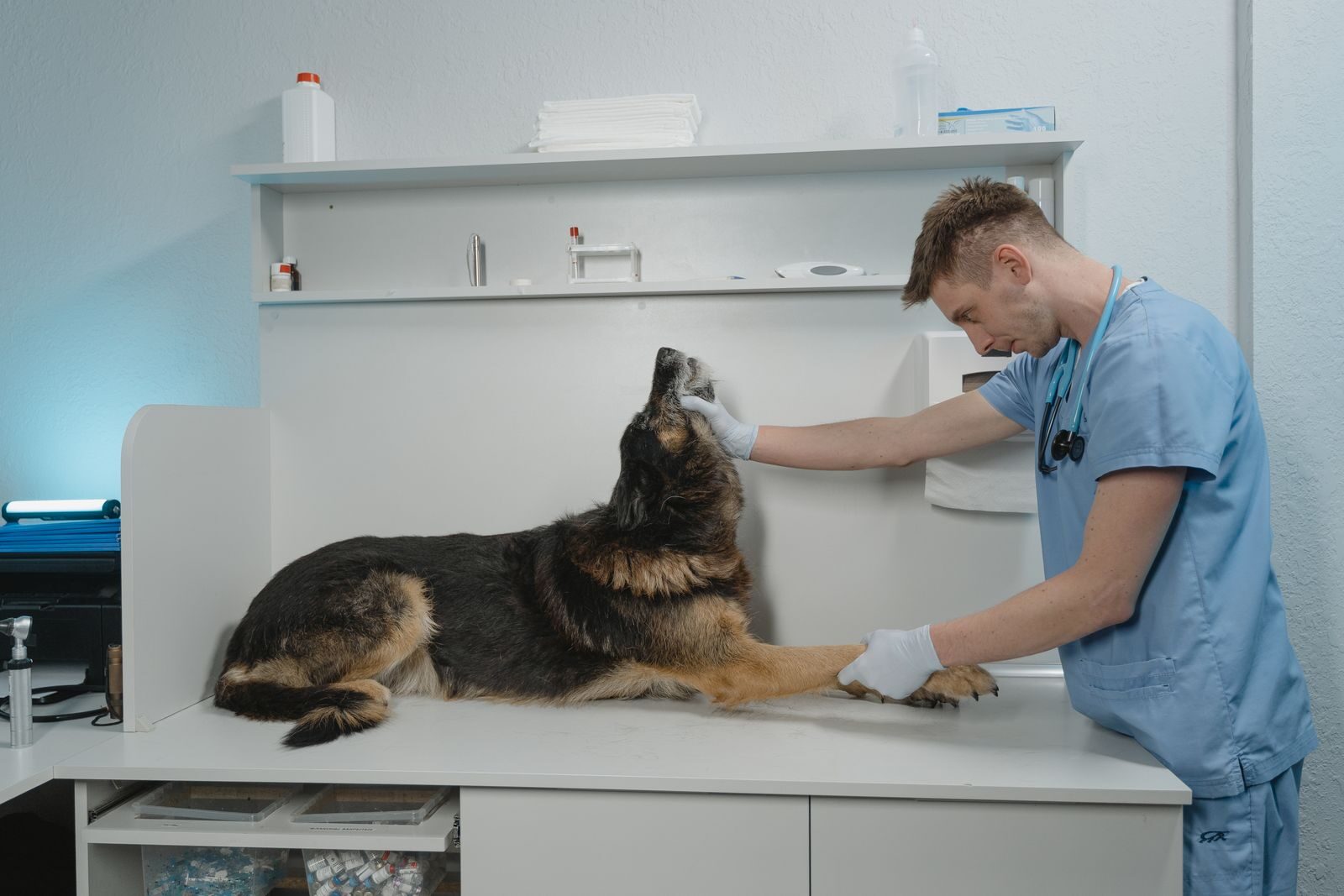
When to Take Your Dog to the Vet: Signs You Shouldn’t Ignore in Mississauga
Being a responsible dog owner in Mississauga means keeping a close eye on your furry companion’s health. While many vet visits are routine check-ups, there are times when those little nudges from your dog mean something more serious is going on. Knowing the signs that your dog needs a vet can help ensure they receive timely care, keeping them happy and healthy for years to come.
This guide covers common indicators that it’s time to book that veterinary appointment. From subtle changes in behavior to more obvious physical symptoms, understanding these signals empowers you to act quickly and appropriately for your best friend’s well-being.
Sudden Changes in Behavior
Your dog’s personality is usually quite consistent. So, if you notice abrupt shifts in their demeanor, it’s often a red flag. Here are some key behavioral changes to watch for:
- Lethargy or Unusual Tiredness: If your usually energetic dog seems constantly tired, sleeps more than usual, or has no interest in activities they once loved, this warrants a vet visit. While temporary fatigue can occur, persistent low energy is concerning.
- Irritability or Aggression: Increased aggression, snapping, biting, or growling, especially without provocation, can indicate pain, fear, or illness. Changes in typical affectionate behavior, like becoming unusually withdrawn or fearful, are also important to note.
- Separation Anxiety Worsening: If your dog’s typical separation anxiety suddenly becomes more severe or starts for the first time, it could be linked to an underlying medical issue.
- Altered House Soiling Habits: An older dog or one that was previously housetrained might suddenly have accidents indoors. This can be a sign of age-related issues, pain, or cognitive dysfunction in senior dogs.
Changes in Appetite and Water Intake
Your dog’s eating and drinking habits are crucial indicators of their health. Notice any of the following:
- Loss of Appetite or Refusal to Eat: Even for a short period, especially if accompanied by other symptoms, can be a serious sign. Puppies, older dogs, and those with underlying health conditions are more vulnerable.
- Increased Appetite: While seemingly less common, a sudden, insatiable hunger can sometimes indicate endocrine issues like diabetes.
- Drinking Excessive Water (Polydipsia): If your dog starts drinking much more water than usual, it could indicate kidney problems, diabetes, Cushing’s disease, or other health concerns.
- Refusal to Drink Water: Dehydration is serious and can result from illness, heatstroke, or other underlying conditions.
Changes in Water Intake and Urination
Monitoring your dog’s bathroom habits provides valuable health insights:
- Decreased Urination: Fewer trips outdoors, especially in the middle of the night, can signal urinary obstruction, kidney disease, or bladder issues.
- Blood in Urine (Hematuria): This is a serious sign that requires immediate veterinary attention, as it can indicate infection, stones, trauma, or more serious systemic diseases.
- Difficulty Urinating or Straining: Straining to urinate, crying out during urination, or producing only small amounts of urine are signs of potential urinary tract problems that need urgent assessment.
- Frequent Urination with Small Amounts: This can indicate a urinary tract infection, kidney disease, or diabetes.
- Increased Thirst and Urination (Polyuria): Similar to increased water intake, frequent urination in large quantities can be a sign of diabetes, kidney disease, or liver problems.
- Incontinence: Sudden loss of bladder control, especially in older dogs or those not spayed, can be due to hormonal issues, infection, or neurological problems.
Signs of Pain or Discomfort
Dogs often hide pain, so you need to be observant:
- Lameness or Reluctance to Move: If your dog avoids using one or more legs, yelps when walking, or seems stiff, especially after rest, they may be in pain or have an injury.
- Excessive Panting: While panting is normal for dogs, labored breathing, panting at rest indoors, or panting combined with other symptoms is a concern.
- Whining, Whimpering, or Growling: These vocalizations, especially when not seeking attention, can indicate pain or anxiety.
- Aggressive Behavior Towards Touch: If your dog snaps, bites, or growls when you try to touch a specific area, they are likely experiencing pain there.
- Changes in Sleeping Position: Sleeping in unusual positions, especially on the floor or with legs tucked abnormally, can indicate discomfort or pain.
Other Physical Symptoms
Keep an eye out for these more direct physical indicators:
- Vomiting: Occasional vomiting can be due to eating too quickly or ingesting something disagreeable. However, persistent vomiting, especially with blood, bile, or if accompanied by lethargy, is a serious sign.
- Diarrhea: Occasional loose stools are common, especially with dietary changes. However, persistent diarrhea, bloody diarrhea, diarrhea with mucus, or diarrhea accompanied by vomiting or lethargy requires veterinary attention.
- Fever: An elevated rectal temperature (above 103.5°F or 39.7°C) indicates a fever and infection or inflammation. Check with your vet if you suspect a fever.
- Visible Lumps or Changes in Skin: Any new lumps, bumps, cuts, scrapes, or changes in skin color, especially around the mouth or paws, should be checked by a vet.
- Abnormal Respiratory Rate: Heavy breathing, coughing, wheezing, or rapid breathing at rest can indicate respiratory issues, heart problems, or toxicity.
- Sudden Weight Loss: Unexplained weight loss, even a small amount, can be a sign of many serious conditions, from parasites to metabolic disorders.
- Abnormal Eye Discharge: Excessive tearing, redness, cloudiness, swelling, or visible discharge (clear, yellow, green, bloody) warrants a vet visit.
- Ear Infection Symptoms: Scratching ears, head shaking, redness, odor, or dark discharge from the ears are common signs of infection.
When to Seek Emergency Care Immediately
Some symptoms require urgent veterinary attention, even outside of regular business hours. If your dog exhibits any of the following, head to an emergency veterinary clinic in Mississauga as soon as possible:
- Collapse or Loss of Consciousness
- Seizures or Convulsions
- Difficulty Breathing (Trouble catching breath, gasping)
- Blue Gums (Blue or dark purple gums and tongue indicate lack of oxygen)
- Severe Bleeding from Any Wound
- Penetrating Trauma (Object stuck in body, severe injury)
- Ingestion of a Toxic Substance (Keep an emergency list of common toxins)
- Uncontrolled Vomiting or Diarrhea for More Than 24 Hours
- Signs of Severe Pain
Keeping Your Dog Healthy in Mississauga
Mississauga offers excellent veterinary care options for your dog’s needs. Regular check-ups, keeping your dog’s vaccinations and parasite prevention up to date, and providing proper nutrition and exercise are the best ways to maintain their health and prevent many common issues.
Being vigilant about your dog’s health is the best way you can ensure they live a long, happy life in their home here in Mississauga. If you ever notice something unusual, don’t hesitate to consult your local veterinarian.
Responsible pet ownership means being attentive to your dog’s needs. Stay observant, trust your instincts, and don’t delay seeking professional help when you’re unsure. Your best friend deserves the best care possible.