In this story
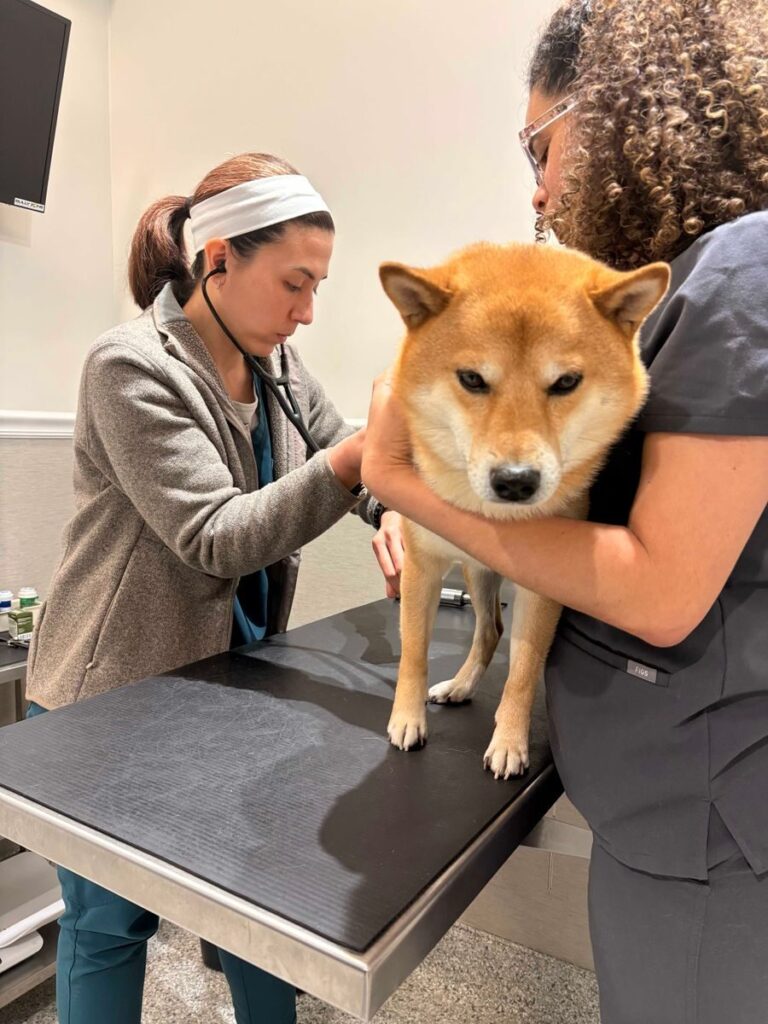
When Your Calgary Pooch Needs the Vet: Signs to Watch For
As a proud Calgary resident and dog parent, you know there’s nothing quite like coming home to a happy, healthy canine companion. But just like us, dogs can’t always tell us when they’re feeling under the weather. Sometimes, they just curl up and act like nothing’s wrong. That’s where you come in! Being attuned to the subtle (and sometimes not-so-subtle) signs that your furry friend might need a visit to the vet is crucial for maintaining their well-being in our unique Canadian climate.
Whether it’s the harsh Alberta winters taking a toll, the beautiful parks of Nose Hill causing a stumble, or something more serious brewing, early detection is key. This guide is designed to help Calgary dog owners recognize when it’s time to make that call to the vet, ensuring your best friend gets the care they deserve.
Remember, this isn’t a substitute for professional veterinary advice. If you’re ever in doubt, always consult your vet or an emergency animal clinic like those found throughout Calgary.
More Than Just a Tummy Tumble: Behavioral Shifts
Changes in your dog’s behavior are often the first things owners notice. While some shifts are normal (like housetraining accidents when they’re excited), significant or sudden changes warrant a vet visit.
The Moody Canine
- Lethargy or listlessness: If your usually bouncy dog seems tired, sleeps more than usual, or doesn’t get excited by things they normally do, it’s time to investigate. This could range from mild fatigue to a serious underlying issue.
- Depression or withdrawal: Noticeable changes in mood, like hiding, refusing interaction, or showing decreased affection, can signal pain, illness, or even cognitive decline in senior dogs.
- Irritability or aggression: Unusual snapping, biting, or growling might indicate pain, fear, or discomfort. It could also be linked to hormonal issues or neurological problems.
- Separ anxiety changes: If your dog’s separation anxiety suddenly worsens or changes, it could be due to stress, illness, or changes in their routine.
The Social Butterfly Stuck At Home
- Lack of interest in walks or play: If your dog, who usually begs for adventures, suddenly disinterests themselves, it could be due to physical discomfort, lack of energy, or even nausea.
- Changes in pack dynamics: While less common, a dog might become overly clingy or dominant if they’re feeling unwell or in pain.
Eating, Drinking, and Sleeping Habits: The Basic Vital Signs
Monitoring your dog’s daily routines provides invaluable insight into their health.
Appetite for Life?
- Refusing food: While picky eating is normal sometimes, complete disinterest in food (anorexia) is a serious red flag. This can indicate infection, organ problems, dental issues, or cancer.
- Eating excessively: While less common, some dogs might eat excessively due to stress, boredom, or underlying medical conditions like diabetes or hyperthyroidism.
- Drinking too much or too little: Changes in water intake can signal serious issues. Excessive drinking (polydipsia) can be linked to diabetes, kidney disease, Cushing’s disease, or heart problems. Reduced water intake (oligodipsia) can indicate kidney failure, illness, or pain.
Nap Time Changes
- Sleeping too much: While dogs sleep a lot, significant increases in sleep, especially if accompanied by lethargy, can indicate pain, depression, or underlying illness.
- Sleeping too little: Dogs who are restless, panting excessively during sleep, or having unusual nightmares aren’t sleeping well. This could be due to pain, anxiety, or neurological issues.
Energetic Limits and Exercise Tolerance
- Decreased activity level: If your dog, who loves long walks or playdates at the Calgary Dog Park, suddenly seems reluctant to move or tire easily, it could be due to pain, arthritis, or illness.
- Vomiting or Diarrhea: These are common but should never be ignored, especially if persistent or severe. Vomiting can be due to eating something wrong (like lawn chemicals or antifreeze), infection, toxin ingestion, or more serious conditions. Diarrhea can range from mild upset stomach to signs of infection, parasites, food intolerance, or inflammatory bowel disease.
Breathing Troubles: More Than Just Panting
- Changes in breathing pattern: While panting is normal in Calgary’s heat or after exercise, watch for rapid, difficult, or labored breathing. Gagging, wheezing, grunting, or breathing with an open mouth (unless hot/cold) can indicate respiratory issues, heart problems, pain, or heatstroke.
- Blue or purple gums: This is a serious sign of lack of oxygen and requires immediate emergency vet care.
Pain: The Silent Sufferer
- Whining, whimpering, or crying out: Especially when touched or during movement, this is a direct indicator of pain.
- Avoiding touch or cuddling: If your dog pulls away from petting or seems sensitive to touch in certain areas, they might be hurting.
- Changes in posture: A hunched back, tucked legs, or an obvious limp can indicate pain or injury.
- Aggression: Pain can sometimes lead to snapping or biting, especially when trying to be handled.
Potty Puzzles: Housetraining Regressions
- Inappropriate elimination: Especially if your dog is fully housetrained, accidents inside the house (especially after being outside) can signal various issues: house soiling due to fear/anxiety, urinary tract infection, kidney problems, arthritis (making it hard to reach the bathroom), or cognitive decline.
- Straining to urinate: Difficulty or pain when urinating is a veterinary emergency.
- Increased frequency: Needing to go outside much more often than usual can indicate a UTI or other urinary issues.
Injury and Trauma: From Stumbles to Sprains
- Limping or favoring a leg: Indicates pain or injury to that leg.
- Bumps, cuts, scrapes, or wounds: Any injury needs proper cleaning and care. If it’s bleeding heavily, looks deep, or shows signs of infection (redness, swelling, pus), see the vet.
- Difficulty moving: Struggling to get up, jump, or move around normally can indicate pain, injury, or arthritis.
- Trauma from playing at the Calgary Dog Park: Watch for signs of broken bones, dislocated joints, or internal injuries after a fall or collision.
Age Matters: The Senior Dog
As dogs age, they become more susceptible to certain health issues common in senior humans.
* Arthritis: Leading to stiffness, especially after rest or in cold weather typical of Calgary, and reluctance to jump or climb.
* Dental disease: Common in older dogs, causing bad breath, difficulty eating, drooling, and pain.
* Organ system decline: Issues like kidney disease, liver problems, or heart conditions can develop.
* Cognitive dysfunction: Similar to dementia in humans, leading to confusion, changes in sleep patterns, and house soiling.
When to Call the Calgary Cavalry: Immediate Vet Attention
- Seizures: Especially if it’s the first seizure, or if there are multiple seizures in a row.
- Trauma: Deep wounds, fractures, head injuries.
- Difficulty breathing: Labored, rapid, or blue gums.
- Severe vomiting or diarrhea: Especially if bloody or persistent.
- Ingestion of a Toxic Substances: Chocolate, certain plants, antifreeze, garbage, medications.
- Signs of Distress: Pale gums, weakness, collapse.
- **Sudden lethargy or coma.
- **Paralysis or inability to walk.
Putting It All Together: Your Calgary Checklist
- Observe: Pay attention to subtle changes in behavior, appetite, thirst, energy, and mood.
- Monitor: Keep track of any new symptoms or changes in established routines.
- Consult: If you notice any concerning signs, don’t hesitate to reach out to your regular Calgary vet or an emergency animal clinic.
Being a conscientious Calgary dog owner means being vigilant and proactive about your pet’s health. By knowing the signs that indicate your dog needs a vet visit, you can help ensure they live a happy, healthy life in the beautiful city of Calgary. Remember, the best resource for specific concerns is always your veterinarian.
Related posts:
 Beat the Heat: Keeping Your Calgary Dog Cool This Summer
 Decoding Your Dog’s Poop: A Calgary Pet Owner’s Guide to Health Insights
 Stay Dry and Cozy: Calgary’s Best Rainy-Day Gear for Dogs
 Gentle Walks and Warm Cozies: Understanding Senior Dog Care in Calgary
 Calgary Dog Wellness: Keeping Your Pooch Healthy with Regular Vet Visits