In this story
Introduction
As a dog owner in Montreal, you’re part of a vibrant, furry family. Your canine companion brings endless joy, whether it’s the way they wag their tail at the door or curl up beside you for a goodnight cuddle. But with great joy comes great responsibility – one of the most important being knowing when it’s time to take your dog to the vet. Montreal’s unique climate, from snowy winters to humid summers, and the fast pace of city life mean our dogs can sometimes show signs of trouble.
Being attentive to your dog’s health is crucial, but sometimes the signals aren’t obvious. A normally playful dog might suddenly seem withdrawn, or a dog that’s always hungry could suddenly lose interest in food. These subtle shifts can indicate underlying health issues.
This guide will help you recognize the common signs that your dog might need a visit to the veterinarian. We’re not here to alarm you constantly, but to empower you with knowledge. By knowing these indicators, you can ensure your best friend receives the care they need, keeping them happy and healthy in Montreal’s wonderful environment.
Behavioral Changes: More Than Just Mood Swings
Sometimes, your dog’s mood is the first thing that changes. While dogs can’t tell us exactly what’s wrong, their behavior often speaks volumes. Keep an eye out for these common shifts:
Sudden Lethargy or Unusual Sleepiness
If your usually energetic dog seems unusually tired, sleeps more than usual, or seems unwilling to get up, it’s a red flag. This could range from something minor like a mild infection to something serious like an injury or illness.
Altered Temperament
Dogs often become anxious, aggressive, or unusually clingy when something is wrong. If your dog seems irritable, avoids contact with people, or shows aggression they haven’t displayed before, it’s time to consider a vet visit. Changes in social behavior, like becoming overly affectionate or withdrawing completely, can also be indicators.
House Soiling After Training
If a previously housetrained dog starts having accidents indoors, it’s a clear sign something isn’t right. This could be due to pain, anxiety, a urinary tract infection, or simply a disruption in their routine.
Excessive Barking or Howling
Persistent barking or howling that isn’t triggered by a specific situation (like a fire truck or a stranger) could indicate pain, anxiety, or confusion. Pay attention to the context and frequency of the vocalization.
Physical Symptoms: What to Look For
Physical signs are often more direct indicators that your dog needs veterinary attention.
Changes in Appetite or饮水
A significant decrease in appetite or thirst can be alarming. If your dog suddenly refuses food or water, or if they drink excessively, it’s worth investigating. These changes can signal digestive issues, metabolic problems, or pain.
Vomiting or Diarrhea
While occasional vomiting or diarrhea can be due to eating something disagreeable, persistent or severe cases require a vet visit. Look for signs like blood in the stool, constant vomiting, or diarrhea accompanied by lethargy.
Changes in Grooming Habits
Dogs that are bothered by something will often lick or chew excessively at a particular spot, or they might neglect grooming altogether. Fur loss, bald patches, or mats can be signs of allergies, skin infections, or even anxiety.
Lameness or Difficulty Moving
If your dog is having trouble walking, limping, or seems stiff, especially after rest or upon waking, it could be due to pain, injury, or arthritis. Montreal’s sidewalks and parks might have hidden hazards, so pay attention to how your dog moves.
Changes in Eating and Drinking Habits
Your dog’s nutritional intake is a key barometer of their health.
Refusal to Eat or Drink
Forgoing food or water for more than 24 hours (unless it’s a fasting period approved by your vet) is a serious concern. It could indicate an obstruction, infection, or organ failure.
Rapid Weight Changes
Both sudden weight loss or gain should be addressed. Unexplained weight loss can be due to dental issues, parasites, metabolic disorders, or cancer. Conversely, weight gain could be due to dietary changes, lack of exercise, or underlying health conditions.
Changes in Bathroom Habits
Your dog’s digestive and urinary health is crucial.
Frequent Urination or Incontinence
If your dog needs to urinate more often than usual, especially indoors, or if they are leaking urine, it could indicate a urinary tract infection, incontinence, or other health issues.
Constipation or Straining
Difficulty passing stool or straining during elimination can be uncomfortable and potentially serious. This could be due to diet, stress, hairballs, or underlying medical conditions.
Changes in Energy and Activity Levels
Your dog’s energy levels should match their age and breed.
Increased Sleep or Restlessness
While dogs naturally sleep a lot, excessive sleepiness or the opposite – restlessness, pacing, or destructive behavior – can signal discomfort or pain.
Avoidance of Activity
If your active dog suddenly seems reluctant to play, walk, or even get out of bed, it’s a sign something might be wrong. Pain, illness, or fatigue can cause this.
When to Seek Immediate Veterinary Care
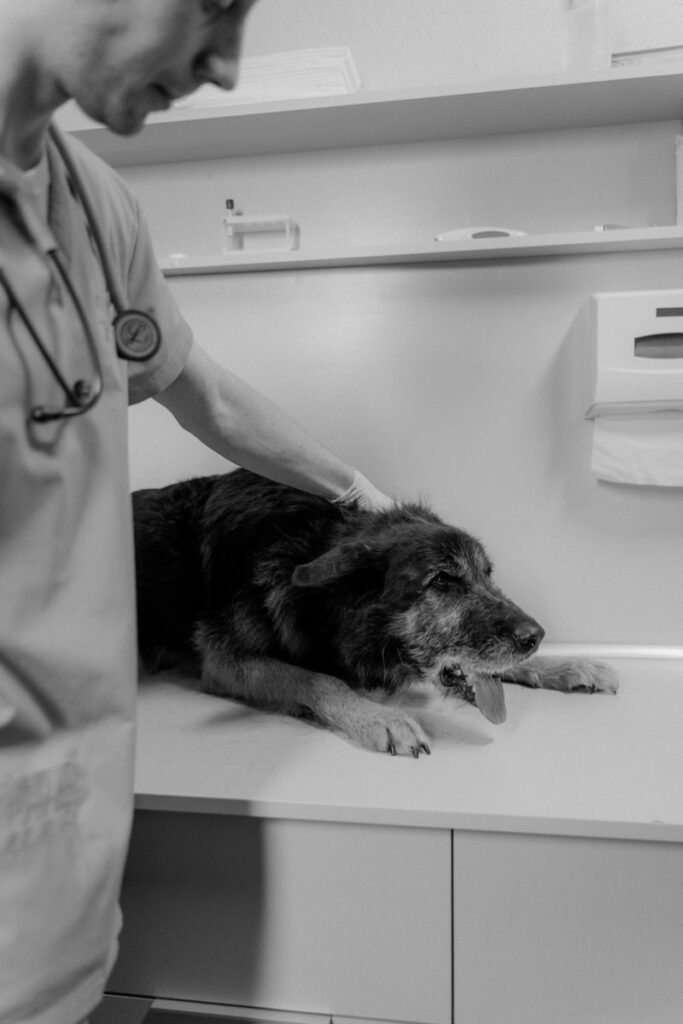
Some signs require urgent attention. If you notice any of the following, head to your nearest emergency vet or an emergency animal hospital in Montreal immediately:
- Severe pain or whimpering constantly
- Collapse, fainting, or staggering
- Difficulty breathing or rapid breathing
- Seizures or tremors
- Bright red gums or tongue
- Vomiting blood
- Inability to pass urine or feces
- Severe dehydration (dry mouth, no tears, sunken eyes)
Prevention is Key
While it’s important to know the signs, preventing issues is always better:
- Regular Vet Check-ups: Schedule annual or bi-annual wellness exams to catch potential problems early.
- Monitor Your Dog’s Weight: Keep your dog at a healthy weight to prevent many common health issues.
- Keep Up with Vaccinations and Parasite Control: Protect your dog against preventable diseases and discomfort from fleas and ticks.
- Provide Adequate Exercise and Mental Stimulation: Help maintain your dog’s physical and mental health.
- Maintain a Safe Home Environment: Reduce the chances of accidents or ingestion of harmful substances.
Conclusion
Your dog’s health is a top priority, and being able to recognize the signs they need a vet visit is a valuable skill for any Montreal dog owner. By staying observant and acting promptly when you notice changes in behavior, eating habits, or physical condition, you can ensure your furry friend gets the care they need.
Remember, every dog is unique, and these signs can vary. If you’re ever in doubt, it’s always best to consult with a veterinarian. Montreal offers many excellent veterinary clinics and emergency services – don’t hesitate to reach out to them for guidance.
We hope this guide helps you keep your best friend happy and healthy in the City of Saints! Bonne chance avec votre chien!
Related posts:
 How Often Should You Bathe Your Dog in Montreal?
 Know When Your Dog Needs the Vet: Signs to Watch For in Toronto
 Recognizing When Your Edmonton Dog Needs the Vet: A Guide for Responsible Pet Owners
 Beat the Shedding: Keeping Your Montreal Home Cozy and Your Dog Happy
 Is Your Dog Bored in Montreal? Signs & Solutions