In this story
Beat the Shedding: Keeping Your Montreal Home Cozy and Your Dog Happy
Ah, Montreal weather – a beautiful blend of crisp winters and humid summers. While we love the distinct seasons, they can be a challenge for our four-legged friends (and our homes!). Dog shedding isn’t just a springtime issue; it’s a year-round concern, especially with Montreal’s unique climate. From the heavy winter coats to the lighter summer fur, your dog is constantly adjusting, and so is the amount of hair they shed. But don’t worry, there are practical, kind ways to help manage this natural process and keep your home a bit less like a dog show and more like a cozy haven.
Understanding the Why: More Than Just Seasonal Blame
Before diving into solutions, let’s quickly touch on why dogs shed. It’s primarily about shedding their undercoat and guard hairs to adapt to changing temperatures. In Montreal:
- Winter: Dogs grow a thick, insulating coat to keep warm. This is when you might notice more hair on your furniture and vacuum cleaner.
- Spring & Fall: Dogs shed their heavier coat to prepare for the changing seasons. This is often the peak time for significant shedding.
It’s not just about the weather; diet, health, and stress levels also play a role in how much a dog sheds. A happy, healthy dog generally sheds more consistently, while a dog under stress or with skin issues might shed excessively in patches.
Brush Like a Pro: The Cornerstone of Shedding Reduction
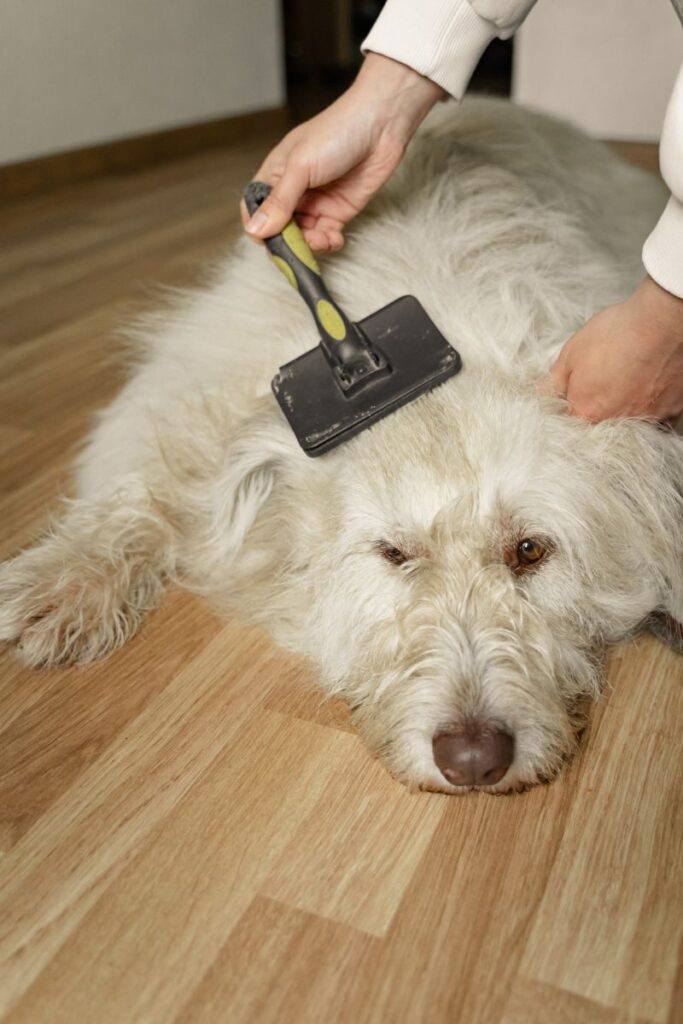
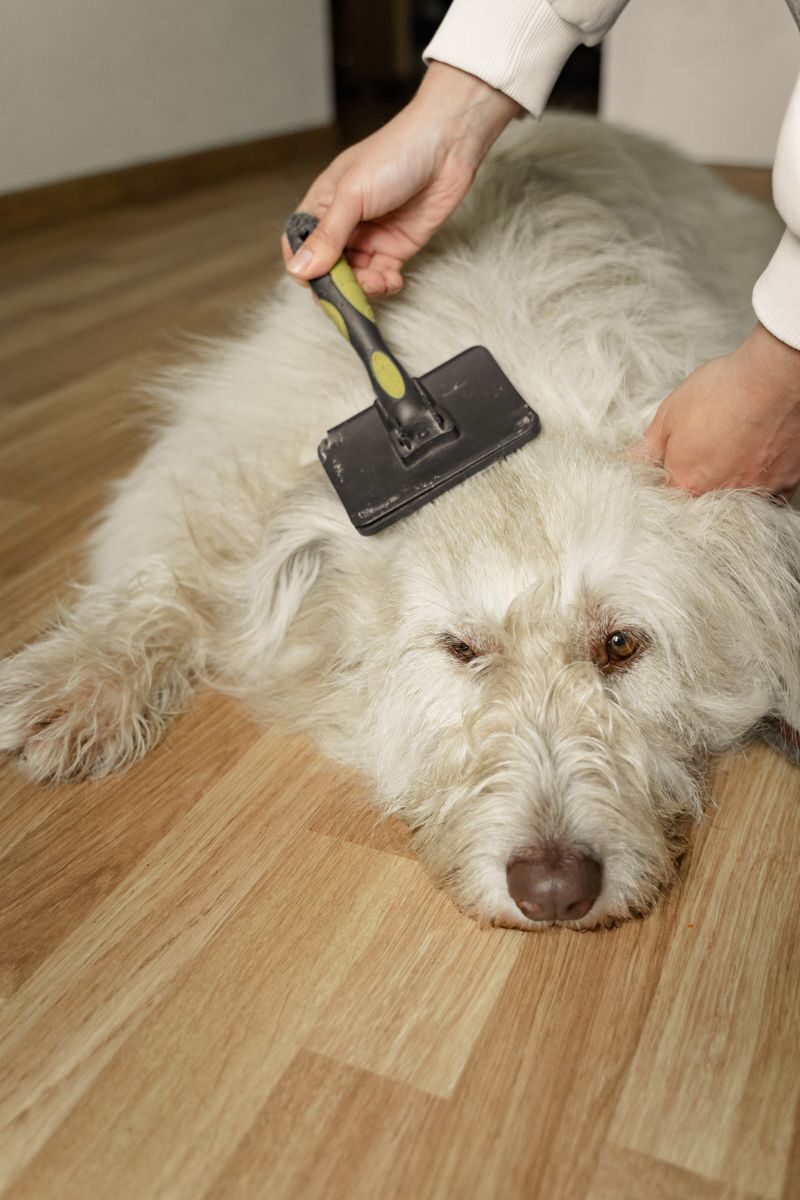
This is arguably the most crucial step. Regular brushing removes loose hair before it ends up on your floors and furniture. It also helps distribute natural skin oils, reducing the need for excessive bathing which can strip fur.
-
Know Your Dog’s Coat: Not all coats are created equal. A German Shepherd has a very different coat than a Poodle or a Shih Tzu.
- Long-Hair Breeds (e.g., Golden Retrievers, Labrador Retriecheirs, Huskies): Require daily brushing to prevent mats and tangles and to remove loose hair.
- Double-Coated Breeds (e.g., German Shepherds, Collies, Malamutes): Need regular brushing (at least a few times a week) to remove the dense undercoat and prevent hair balls. Special slicker brushes or pin brushes work well.
- Short-Hair Breeds (e.g., Beagles, Boxers, Dachshunds): Benefit from weekly brushing, focusing on areas prone to tangling like behind the ears and legs.
-
Choose the Right Tools:
- Slicker Brush: Great for long and medium coats to remove loose undercoat hair.
- Pin Brush: Good for detangling and distributing oils in many coat types.
- Rake Brush (Pin Comb): Excellent for removing mats from thick, dense coats.
- Rubber Brush: Useful for short coats to remove loose hair.
- Furminator: A deshedding tool specifically designed to remove undercoat, effective for many double-coated breeds.
-
Be Gentle: Work gently, especially around sensitive areas like the face, belly, and paws. If you encounter a tangle, work through it gently with your fingers or a detangling tool before using a slicker brush.
Diet and Nutrition: Fuel for a Healthy Coat
A dog’s diet directly impacts the health and quality of their skin and coat. A poor diet can lead to a dull coat, skin issues, and increased shedding. Focus on quality:
- High-Quality Protein: Essential for fur health. Look for real meat sources (like chicken, beef, fish) as the first ingredients.
- Omega Fatty Acids: Crucial for skin moisture and a healthy, shiny coat. Omega-3 (EPA) and Omega-6 (Linoleic Acid) are particularly important. Good sources include fish oil, flaxseed, and chicken fat. Consult your vet about appropriate supplements.
- Vitamins and Minerals: A balanced diet should provide necessary vitamins (like B vitamins for skin health) and minerals.
- Hydration: Ensure fresh, clean water is always available. Dehydration can lead to dry skin and a dull coat.
Pro-Tip: Consider small, local Canadian pet food brands that prioritize quality ingredients. Discuss dietary changes or supplements with your veterinarian to ensure they’re appropriate for your dog’s specific needs.
The Power of the Slicker: Vacuuming and Cleaning
Brushing gets rid of a lot of loose hair, but it’s not the only step. Regular vacuuming is essential to capture the hair before it becomes embedded in carpets and upholstery.
- Vacuum Regularly: Especially high-traffic areas and where your dog spends most of their time. Vacuuming at least once a week is a good goal.
- Use a Pet/Groomer Attachment: These have small brushes designed to lift and trap pet hair effectively.
- Carpets vs. Hard Floors: Carpets are notorious for trapping hair. Consider using area rugs that can be washed periodically, or at least vacuumed thoroughly. Hard floors make cleanup easier, just sweep or mop regularly.
- Furniture: Use pet-safe furniture sprays that can help loosen hair, making it easier to remove with a damp cloth or pet brush. Regularly wiping your dog’s favourite spots with a pet wipe can also help.
- Air Purifiers: Consider a whole-home or room air purifier with a True HEPA filter, especially if you have pets with heavy shedding or allergies. These can capture airborne dander and pet hair.
Regular Check-ups: Professional Grooming
While you do the bulk of the work at home, professional grooming plays a vital role, especially for dogs with heavy or double coats.
- Professional Groomer: A skilled Montreal-area groomer knows the specific needs of your dog’s coat type and can expertly remove excess fur, prevent mats, and check for skin issues. This is particularly important for breeds prone to matting or heavy seasonal shedding. Look for reputable Montreal pet grooming salons.
- Bathing: Over-bathing can dry out the skin and coat, leading to more shedding. Bathe only when necessary, using a gentle, moisturizing dog shampoo. Follow up with a conditioner if appropriate for the coat type.
- Flea and Tick Prevention: While not directly about shedding, parasites can cause skin irritation and excessive itching, leading to increased hair loss. Ensure your dog is on appropriate flea and tick prevention year-round, following Montreal’s specific seasons (ticks in spring/summer, fleas year-round potentially).
Monitoring Your Dog’s Health
Changes in shedding patterns can sometimes indicate underlying health issues. If you notice sudden, excessive shedding, bald patches, skin redness, itching, or dull, brittle fur, consult your veterinarian. Conditions like allergies, thyroid problems, skin infections, or nutritional deficiencies can all contribute.
Wrapping Up: A Cozy Montreal Home
Reducing shedding isn’t about stopping the natural process but managing it effectively so your home stays comfortable and your dog stays happy and healthy. By combining regular brushing, a quality diet, consistent cleaning, and professional care when needed, you can significantly minimize the amount of hair around your Montreal home. Embrace the shedding as part of owning a companion, but arm yourself with these practical tips to make your life a little easier year-round.