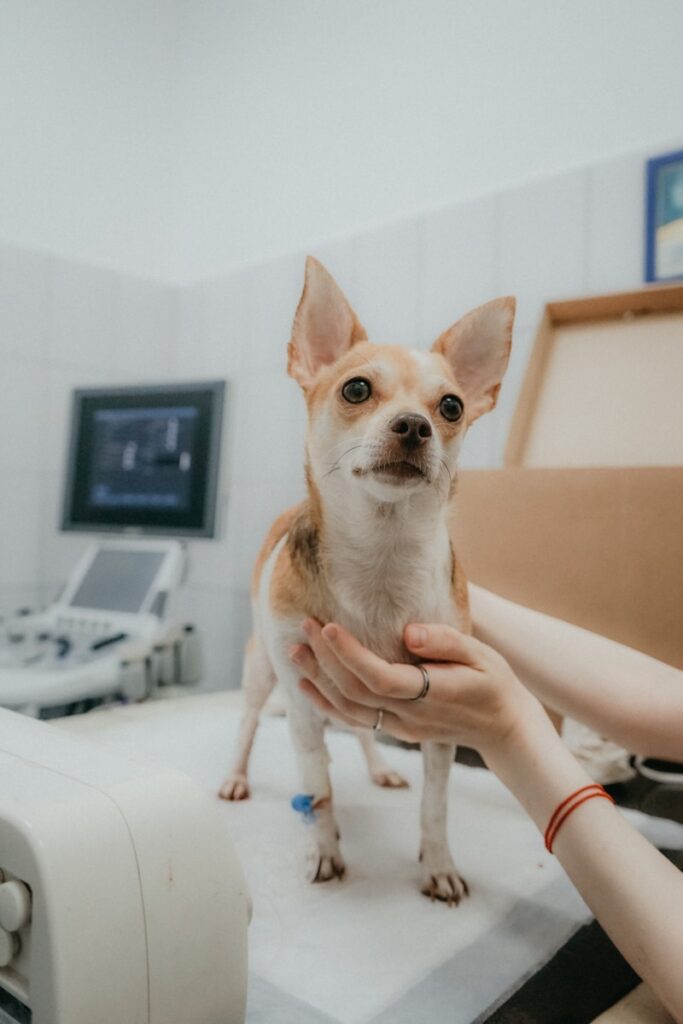

Know When Your Dog Needs a Vet Visit: Signs to Watch For
As a dog owner in Hamilton, recognizing when your furry friend needs a vet visit is crucial for their well-being. While it’s every dog owner’s hope that their pet remains healthy, being aware of the signs that indicate something isn’t right can make all the difference. Prompt action can prevent minor issues from escalating and ensure your best friend receives the care they deserve.
This guide will walk you through common indicators that your dog might be feeling unwell, helping you determine the appropriate course of action, from a routine check-up to an emergency vet visit.
Behavioral Changes: Often the First Sign
Dogs often mask pain or illness, making subtle shifts in behavior some of the earliest and most telling signs that something is amiss.
Lethargy and Decreased Activity
- What to look for: Your usually energetic dog seems unusually tired, sleeps more than usual, or avoids activities they once loved (like walks or playtime).
- Possible causes: Pain, infection, dehydration, fever, or even depression.
Changes in Appetite
- What to look for: A significant decrease in appetite, complete loss of interest in food, or vomiting after eating.
- Possible causes: Gastrointestinal upset, dental issues, internal infection, or more serious conditions like kidney disease.
Increased Drinking or Urination
- What to look for: If your dog suddenly needs to go more often, especially indoors, or seems constantly thirsty.
- Possible causes: Diabetes, kidney disease, Cushing’s disease, or urinary tract infections.
Aggression or Unusual Fearfulness
- What to look for: Unprovoked aggression, excessive barking, whining, hiding, or panic in situations they weren’t previously fearful of.
- Possible causes: Pain (especially from injuries or arthritis), fear, anxiety, or neurological issues.
Changes in Sleep Patterns
- What to look for: Sleeping excessively or having restless nights with frequent waking.
- Possible causes: Pain, fever, anxiety, or various illnesses.
Physical Symptoms to Monitor
Beyond behavior, direct physical symptoms often provide clear signals that a vet visit is necessary.
Changes in Elimination Habits
- What to look for: Straining to urinate or defecate, blood in urine or stool, accidents indoors (especially for house-trained dogs), diarrhea (with or without blood), constipation, or excessive licking of rear ends.
- Possible causes: Urinary tract infections, constipation, parasites, inflammatory bowel disease, anal gland issues, or more serious conditions.
Skin Changes
- What to look for: Redness, swelling, rashes, lumps, sores, excessive itching or scratching, hair loss, or dull coat.
- Possible causes: Allergies, infections (bacterial, fungal, viral), parasites (fleas, ticks, mites), skin cancer, or hormonal imbalances.
Eye Issues
- What to look for: Redness, excessive tearing, discharge, squinting, pawing at the face, cloudiness, bumps, or changes in eye color.
- Possible causes: Infections, allergies, foreign objects, glaucoma, cataracts, or trauma.
Ear Problems
- What to look for: Redness, odor, excessive scratching or shaking of the head and ears, head tilting, or dark discharge.
- Possible causes: Ear infections (otitis externa), ear mites, allergies, or foreign bodies.
Respiratory Symptoms
- What to look for: Rapid breathing, panting (especially indoors or at rest), coughing (productive or dry), sneezing, runny nose, or labored breathing.
- Possible causes: Allergies, infections (kennel cough, pneumonia), heart problems, or respiratory distress.
Abnormal Body Temperature
- What to look for: Hypothermia (below 39°C / 102°F) or hyperthermia (above 41°C / 106°F). Normal dog body temperature typically ranges between 37.5°C and 39°C (99.5°F to 102.5°F).
- Possible causes: Environmental factors, infections, metabolic disorders, or shock.
Urgent Care Indicators
Some signs require immediate veterinary attention, as they can be life-threatening.
Emergency Symptoms Requiring Vet Visit Today
- Severe trauma: Wounds, fractures, broken bones, or signs of shock (pale gums, weak pulse).
- Difficulty breathing: Gasping, wheezing, blue gums, or inability to catch breath.
- Seizures or collapsing: Sudden loss of consciousness, convulsions, or circling.
- Anaphylaxis: Swelling of the face, throat, or limbs; difficulty breathing; rapid heartbeat.
- Bitten or poisoned: Ingestion of toxins (whether human or pet-safe but harmful in large amounts), or known toxic exposure.
- Paralysis: Sudden inability to walk or use legs.
- Broken bones or severe injury: Any obvious deformity or inability to use a limb.
When to Schedule a Regular Check-Up
Even without obvious signs of illness, regular veterinary visits are essential for maintaining your dog’s health. These preventative check-ups are crucial for:
- Vaccinations: Keeping your dog protected against common diseases.
- Dental Care: Preventing tooth decay, gum disease, and associated health problems.
- Parasite Control: Managing fleas, ticks, and worms.
- Early Disease Detection: Catching conditions like heart disease, kidney disease, or cancer before they become serious.
- Weight Management: Assessing and addressing obesity.
- Microchip Check: Ensuring your contact information is up-to-date.
Talking to Your Vet Effectively
When you visit the vet, being prepared helps them provide the best care for your dog.
- Keep a symptom diary: Note down when symptoms started, how they’ve progressed, and any potential triggers.
- Provide a complete history: Include vaccination records, previous illnesses, and information about your dog’s lifestyle.
- Ask questions: Don’t hesitate to ask about treatment options, costs, and aftercare.
Resources for Hamilton Pet Owners
Hamilton offers several resources for pet owners seeking veterinary care:
- Local Veterinary Clinics: Numerous well-equipped clinics provide comprehensive care. Finding a vet you trust is key.
- Hamilton Animal Welfare: Offers low-cost vaccination and spay/neuter clinics. Check their website for upcoming events.
- Pet Food Banks: Support available for owners facing financial difficulties obtaining pet food. Search locally for these resources.
- Community Forums: Online groups like the Hamilton Pet Community Forum can offer support and shared experiences.
Final Thoughts: Prioritizing Your Dog’s Health
Knowing the signs that your dog needs a vet visit is a fundamental aspect of responsible pet ownership in Hamilton and everywhere. By staying observant to your pet’s behavior and physical condition, you can act quickly to address potential health issues. Remember, it’s always better to err on the side of caution when in doubt about your dog’s health. Prioritizing veterinary care ensures that your beloved companion enjoys a happy, healthy, and Hamilton life for years to come.