In this story
There comes a point in every Halifax dog’s life when the Point Pleasant loop gets a little shorter, the harbour breeze matters more than the fetch game, and the best part of the outing is the warm car ride home. A grey muzzle in this city is a badge of honour — it stands for years of beach mornings, wooded trails and storm days weathered together.
Senior life here runs on a slightly different checklist than puppyhood did. The licence still needs renewing, vet visits matter more than ever, winter storms need a plan, and the right walk is a flat one. Here is the Halifax version, in order.

Start with the licence
The paperwork does not retire when your dog does. Every dog in the Halifax Regional Municipality needs a licence under By-Law A-700, and an annual licence costs $15 for a spayed or neutered dog or $50 for an unaltered one. If you are 65 or older, you pay half — $7.50 or $25 — with proof of age.
For an older dog, the lifetime licence is worth a look: $75 spayed or neutered, $200 unaltered, and half of that again for senior owners ($37.50 or $100). It requires a microchip, and it can genuinely be the last licence you ever buy. Annual licences run for one year from the date of purchase rather than on a fixed calendar date. Apply at an HRM Customer Service Centre, at select veterinary clinics or by mail — details are at halifax.ca/animalservices, or call 311 — and keep the tag on your dog’s collar. If a stiff old dog ever wanders through a gate, that tag is the fastest way home.
Vet care for a senior dog — and the 2 a.m. plan
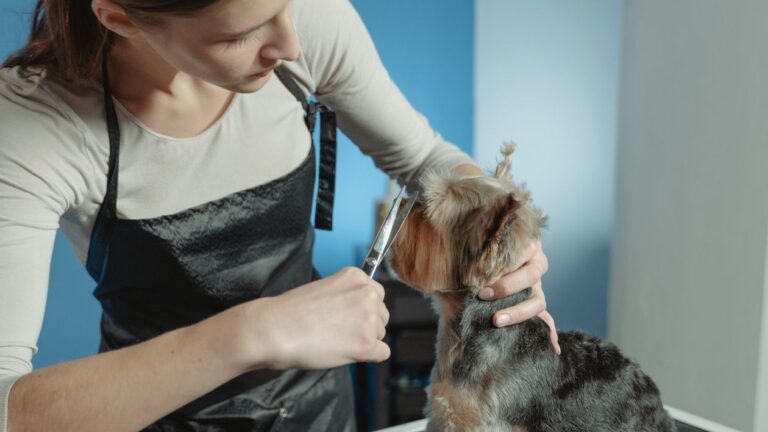
Vets describe a senior dog as one in the last 25 percent of its expected lifespan, which is why a Great Dane is old at eight while a terrier may not be until twelve. The American Animal Hospital Association’s senior care guidance suggests healthy senior dogs see a veterinarian at least twice a year, with blood and urine screening every 6 to 12 months. The reasoning is simple: the common changes of old age — stiff joints, dental disease, weight going up or down, new lumps, kidney, thyroid or heart trouble, fading eyes and ears — are all easier to manage when they are caught early. That is a general picture, not a checklist for your dog, so check with your vet about what your own senior needs and how often.
Know the emergency plan before you need it. Metro Animal Emergency Clinic, at 201 Brownlow Avenue in Dartmouth’s Burnside Industrial Park, is open 24/7 — call 902-468-0674. Halifax also has Coastal Care Veterinary Emergency & Referral Hospital at 168 Hobsons Lake Drive in Bayers Lake, which provides 24/7 emergency and critical care — 902-703-2323. Save both numbers, and call ahead on your way in.
For ongoing senior support close to home, PetWorks Veterinary Hospital at 850 Portland Street in Dartmouth runs a Senior Wellness Program and offers rehabilitation services — the kind of gentle, structured exercise that can suit a stiff old dog. Ask your own vet whether a referral makes sense for yours.
Mobility and comfort in an Atlantic winter
The senior rule for exercise is shorter and more often: two or three brief, sniffy walks beat one long march, and the dog sets the distance. At home, small changes pay off — runners or rugs on hardwood floors, a ramp for the car if jumping is finished, raised food and water bowls, a supportive bed out of the drafts, and nails kept short, because long nails change how an old dog stands and walks.
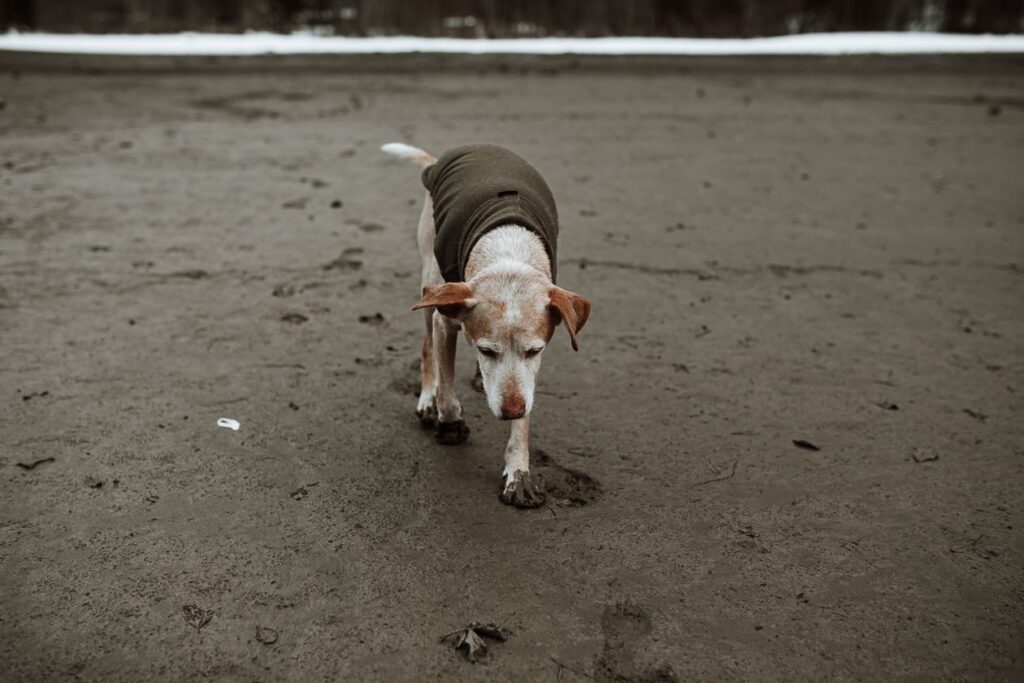
Winter is the real test. Halifax averages about 215 cm of snow a year with a January daily mean of −5.7°C, and nor’easters can knock out power and bury a small dog’s bathroom spot overnight. Shovel a small patch down to the grass, wipe road salt off paws at the door, consider booties or a coat for lean and short-haired seniors, and keep a few days of food and any medication in the house ahead of storm season.
Getting out around Halifax
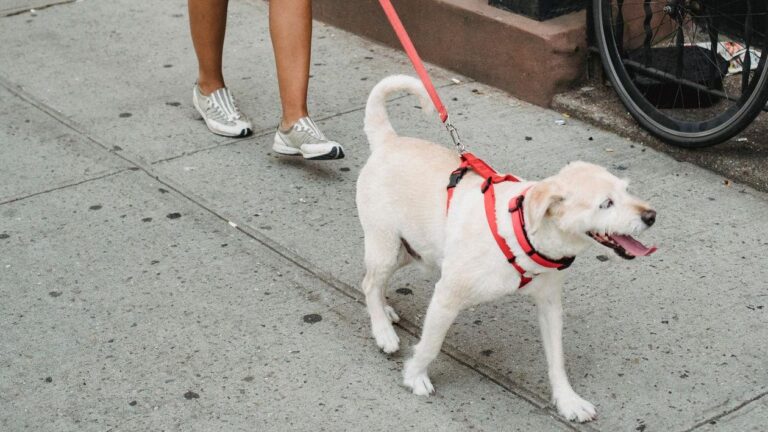
Point Pleasant Park is senior gold: wide, mostly flat trails under the pines, ocean air, soft footing and benches when you need them, with dogs on a leash no longer than three metres. In Dartmouth, Shubie Park’s flat trails along the historic Shubenacadie Canal make an easy out-and-back — turn around when your dog says so, not when the trail does. From November 1 to May 1, municipal sports fields double as off-leash space, though most older dogs prefer a calm leashed stroll to a busy dog park. End the walk while it is still fun, and tomorrow’s walk takes care of itself.
Seasonal hazards for an older dog
The Atlantic stays cold even in August, and older dogs chill faster than they used to — keep swims to brief, shallow paddles and rinse the salt water off afterwards. Ice is the winter hazard: a stiff dog that slips on a frozen sidewalk can be sore for days, so pick cleared, sanded routes on bad mornings. Nova Scotia has a long tick season and blacklegged ticks are established here, so check your dog’s coat after wooded walks and ask your vet about prevention. In summer heat and humidity, walk in the morning and evening; seniors overheat faster than they did at five. And around the municipality’s wooded edges, coyotes are a known presence — supervise yard time after dark.
Good to know before you go
Pin down the senior basics early: licence renewed (or go lifetime and be done with it), vet visits twice a year, both emergency numbers saved in your phone, a storm stash of food and medication, and a short list of flat, favourite routes. Keep your contact information current on the licence, too — senior dogs are champion wanderers when a gate blows open in a storm.
The grey-muzzle years in Halifax are slower, sweeter ones — more sniffing, less sprinting. Explore our other Halifax guides on Canada Mutts — dog parks, trails, beaches and restaurants — for gentle places to take yours next.