In this story
Hamilton is a city of two levels — the lower city and the Mountain, stitched together by escarpment trails and long public staircases. A young dog takes all of it in stride. An older dog asks you to rediscover the flatter Hamilton instead: the waterfront, the beach trail, and the shady valley floors, taken at a pace set by a grey muzzle.
This guide walks through senior dog life in Hamilton in order: the licence (which changed in 2026), vet care and the city’s 24-hour emergency clinic, mobility in a vertical city, gentle places to walk, and the seasonal hazards — ticks above all — that come with escarpment country.
Keeping the licence current
Every dog in Hamilton must be licensed before they are three months old, with the tag attached to their collar, and the licence must be renewed every year — for a senior dog just as much as a puppy. The 2026 fees are $29 for an altered dog and $65 for an unaltered dog, a replacement tag is $5, and trained service dogs are licensed free with proof kept on file.
One change catches long-time owners out: in January 2026 the City restructured its dog licence fees, and the old separate senior and disability rates were removed, along with late fees. If you have been renewing at a senior rate for years, expect the standard rate this time. Hamilton Animal Services is at 247 Dartnall Road, and the licensing line is 905-574-3433. Whatever the fee, keep your contact details current — an older dog who slips out of the yard is counting on that tag to get home.
Vet care in the senior years
Veterinary guidance from the American Animal Hospital Association (AAHA) counts a dog as a senior in the last 25 percent of their expected lifespan, so a Great Dane is a senior years before a Shih Tzu is. AAHA’s senior guidance calls for a physical exam at least twice a year, including routine bloodwork, so changes are caught while they are still small.
In general terms, those visits keep an eye on the things that commonly shift with age: joints and mobility, teeth and gums, weight and muscle, heart and lungs, kidneys, eyes and ears, new lumps, and changes in behaviour or alertness. That is background, not a plan for your dog — what your dog needs depends on their health, so check with your vet, and keep the twice-a-year rhythm even when your dog seems fine.
For the middle-of-the-night emergency, Hamilton has the Hamilton Region Emergency Veterinary Clinic at 50 Dundurn Street South, beside the Fortino’s just off Highway 403. It is open 24 hours a day, every day of the year, holidays included, and the number is 905-529-1004. The clinic asks owners to call ahead before coming in, so the team can be ready for you.
Mobility in a two-level city
The escarpment stairs and the steep Bruce Trail climbs that define Hamilton hiking are young-dog territory. For a senior, favour flat routes, and at home treat the porch steps like the only staircase on the schedule: a ramp where you can manage one, runners on hard floors, and a supportive bed on the main floor. For bigger dogs, a harness with a handle gives you a safe way to help with curbs, steps and car rides.
Winter tests traction everywhere in this city. Escarpment trails and Mountain sidewalks ice up and stay icy in the shade, so think booties or paw protection, a salt wipe at the door, and shorter outings more often rather than one long cold march. On freeze-thaw days, the flat waterfront beats any trail on the brow.
Gentle outings around Hamilton
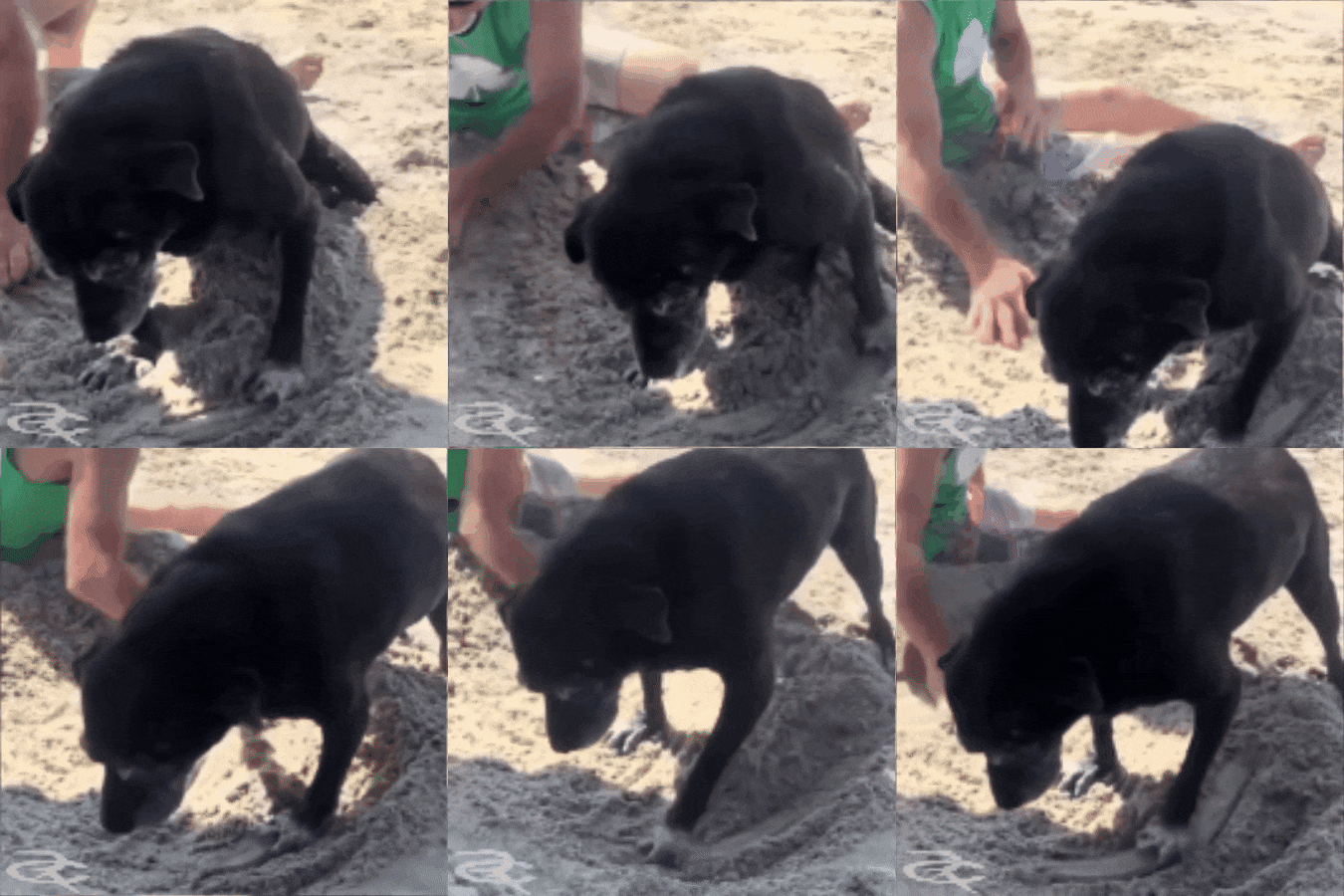
Confederation Beach Park, run by the Hamilton Conservation Authority at the east end of the beach strip, is the senior dog’s best friend in Hamilton: the paved Hamilton Beach Trail runs flat along Lake Ontario, with benches, lake breeze in summer, and room to turn around the moment your dog says so. Dogs stay on leash on the trail — the digging, sniffing and splashing at the shoreline are entertainment enough.
The Royal Botanical Gardens’ nature trails, more than 27 kilometres of them across the Hamilton–Burlington border, are beautiful but honest work: surfaces are natural soil and many sections are hilly, so choose short, gentle stretches rather than full loops. The city’s leash-free dog parks can still suit a calm senior, too — go at quiet times, and let your dog choose between socializing and sniffing along the edges. And if your vet recommends rehabilitation or hydrotherapy, ask about a referral to a certified canine rehabilitation practitioner; those services are booked through veterinary clinics.
Seasonal hazards in Hamilton
Ticks are the headline hazard. Hamilton is considered a risk area for Lyme disease: blacklegged ticks have been found locally, although Hamilton Public Health puts the overall risk of infection as low. The Royal Botanical Gardens warns that ticks, including ones carrying Lyme disease, are found throughout the Hamilton and Burlington area and are active at any temperature above 0°C — which makes tick checks a nearly year-round habit. After every trail walk, run your hands over your dog (ears, neck, belly and between the toes), stay to the middle of trails, and ask your vet about tick prevention.
Winter brings lake-effect cold and wind off Lake Ontario, plus ice on any shaded path; keep outings short in deep cold and consider a coat for short-haired or lean seniors. Summer flips the problem: the lower city gets humid, pavement bakes by midday, and older dogs cope with heat less well than they used to — walk in the morning or evening, carry water, and if your dog swims at the beach, check the current beach postings first and rinse the lake off afterwards.
Good to know before you go
The short list: your licence renews every year, the 2026 rates are $29 altered and $65 unaltered, and there is no senior rate or late fee anymore. Vet visits happen at least twice a year, and the emergency clinic at 50 Dundurn Street South (905-529-1004) never closes. After any escarpment or RBG outing, do the tick check — ticks here are active above 0°C.
Growing old in Hamilton just means choosing the gentle version of everything this city does well. For more ideas at your dog’s pace, explore our other Hamilton guides on Canada Mutts — trails, dog parks, beaches and dog-friendly restaurants included.