In this story
Bringing home a puppy in Toronto means adding a very small, very busy new resident to the biggest dog city in the country. Between the condo elevators, the ravine trails and the off-leash areas — the city counts 81 of them — there is no shortage of places for a young dog to grow up, but the first few months run on paperwork, vet visits and short, frequent trips outside.
This guide walks through the Toronto version of puppyhood in order: the licence, the first vet visit and your emergency backup, settling in at home, socialization around the city, and the seasonal hazards that catch new owners off guard.

Licence first: it is the law by three months
Every dog in Toronto must be licensed, and puppies join the system young: license your puppy once it reaches three months old. The licence costs $25 a year for a spayed or neutered dog and $60 if not, with 50 per cent off for owners 65 and older, and the tag must stay on your dog’s collar. Skipping it risks a $240 ticket. You apply and renew online through the City’s licensing partner, DocuPet, and the licence renews every year.
Two related rules shape puppy life in the city: a household may keep a maximum of three dogs, and off your own property your puppy must be on a leash no longer than two metres — yes, even the tiny ones, and yes, it is enforced.
The first vet visit — and your 2 a.m. backup
Book a regular veterinarian in your own neighbourhood during the first week home, even if your puppy arrives with a clean bill of health from the breeder or shelter. That first visit sets up everything else: a nose-to-tail check, a vaccination plan — puppies need a series of booster shots a few weeks apart through roughly their first four months — and a conversation about microchipping and spaying or neutering. Ontario law also requires every dog three months and older to be vaccinated against rabies. Timelines vary by puppy, so treat the schedule your own vet gives you as the real one.
Then save the emergency number before you ever need it. The Veterinary Emergency Clinic at 920 Yonge Street provides emergency and critical care 24 hours a day, seven days a week, and has done since 1974, working alongside regular vets rather than replacing them. Put the number in your phone now, and call ahead on the way in if you can.
The first weeks at home
Puppies run on routine. Feed at the same times, take your puppy out after every meal, nap and play session, and expect interrupted nights for the first little while — a small bladder is not a training failure. In a Toronto condo, that means a lot of elevator rides: carry young puppies through the lobby until their vaccinations are further along, and pick one consistent outdoor spot so the routine clicks.
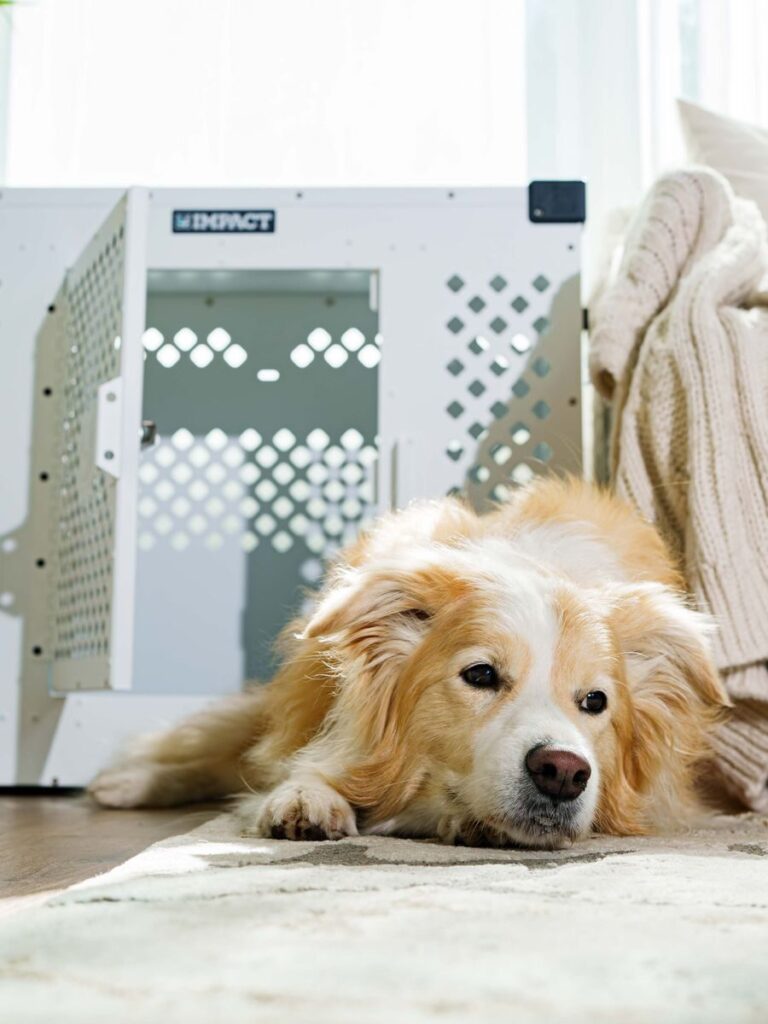
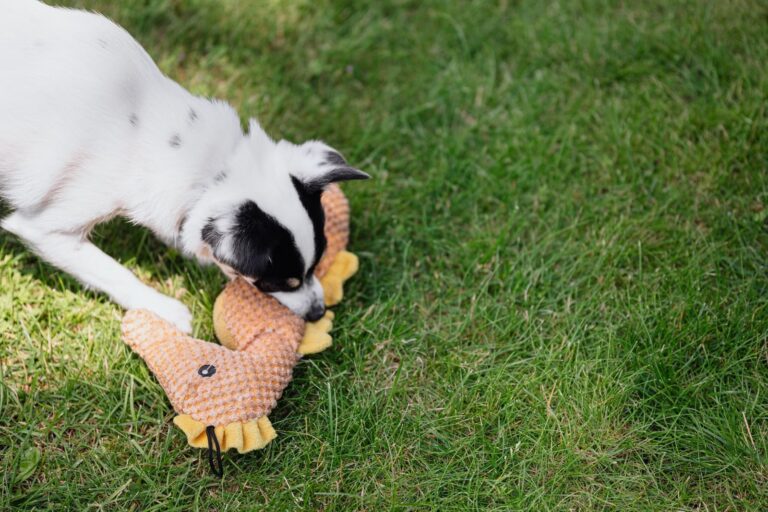
Set up a crate or pen as the puppy’s own den, rotate a few safe chew toys, and puppy-proof anything at ankle height — cables, shoes and baseboards are all fair game to a teething dog. Short training moments woven into the day (name games, sit, come) beat long drills; a puppy’s attention span is measured in minutes.
Socialization around the city
The early socialization window — roughly the first three to four months — is when puppies file away what counts as normal in the world, and Toronto gives them plenty to file. The Toronto Humane Society at 11 River Street runs Puppy Socialization classes that take puppies enrolled at 8 to 12 weeks and graduate them by 16 weeks, plus Puppy Manners classes covering crate training and house-soiling — a structured setting with cleaned floors where young puppies can meet dogs and people safely.
Outside class, think carry-and-watch: ride the streetcar together, sit near (not in) a busy patio, let your puppy watch Queen Street or the St. Lawrence Market crowds from your arms or a quiet bench. Save the off-leash parks — Cherry Beach, Trinity Bellwoods and the rest — until your vet says the vaccination series is complete; adult-dog parks are overwhelming places, and they are not built for eight-week-olds.
Seasonal hazards, Toronto edition
Winter is the big one. Toronto sidewalks are heavily salted, and road salt burns and cracks puppy paws — wipe or rinse paws after every winter walk, and consider booties once your puppy will tolerate them. Cold snaps call for short outings and a coat for small or short-haired puppies, and antifreeze puddles in parking garages are genuinely dangerous if a puppy laps them up.
Summer flips the risk: heat and humidity off the lake make midday pavement hot enough to burn paws, so walk early and late and test the asphalt with your palm. And year-round, remember the ravines are coyote country — the City advises supervising dogs outdoors, especially at dawn and dusk, and never leaving pet food outside. The leash stays on anywhere near the ravine trails.
Good to know before you go
A Toronto puppy checklist, in short: licence by three months old, renewed yearly; first vet visit inside the first week, with boosters and the rabies vaccination on the schedule your vet sets; an emergency clinic’s number saved in your phone; a puppy class booked early, because the good ones fill fast; and paw care matched to the season. Keep your puppy’s vaccination and licence records together in one folder — classes, groomers and daycares will all ask for them. And whenever advice conflicts, your own veterinarian is the tiebreaker: check with your vet about anything specific to your puppy’s health.
Get those first months right and Toronto is a wonderful place to be a dog. For what comes next, explore our other Toronto guides on Canada Mutts — dog parks, trails, beaches and more.