In this story
Toronto’s townhouses are the city’s middle ground — more than 63,000 households live in row houses, and thousands more in stacked and condominium townhouses. For a dog, a townhouse means a small yard or patio of your own, stairs between floors, and neighbours on both sides of the wall. It is more room than a condo, less than a detached house, and it suits a particular kind of dog.
The breeds that thrive in Toronto townhouses share a few traits: medium size or smaller, energy a small yard plus two good walks can satisfy, a bark that will not carry through a shared wall, and legs that handle stairs several times a day. Here are six that fit.
Whippet
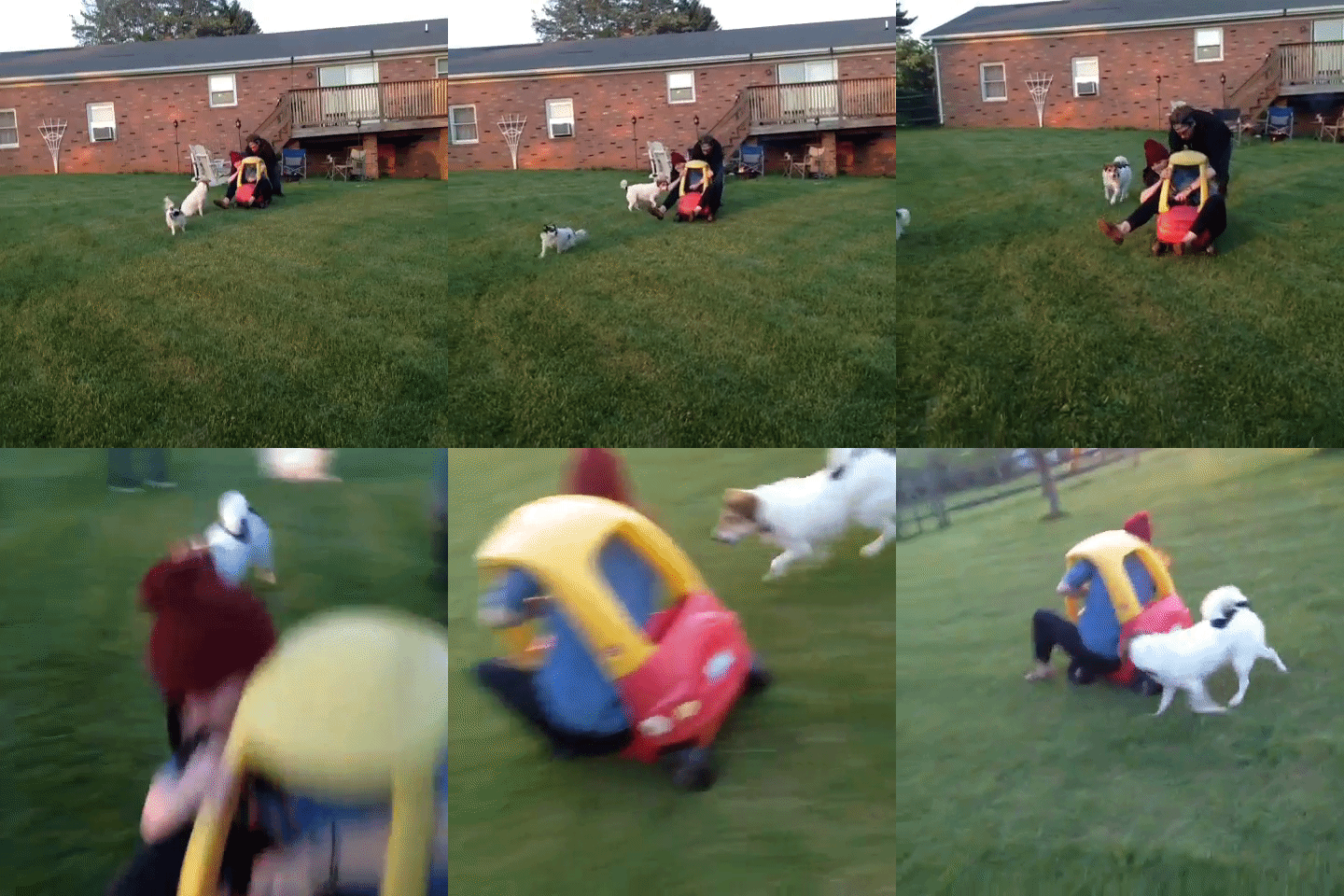
The Whippet is the townhouse dog for people who value quiet above almost everything. At 9 to 19 kg it is a medium dog with a small dog’s footprint, and indoors it is famously silent — Whippets rarely bark at all, which neighbours on both sides will appreciate above all.
English Cocker Spaniel
The English Cocker is the cheerful middleweight of the townhouse world: 13 to 15 kg, merry, affectionate and energetic without being frantic. A Cocker’s ideal day — a play in the yard, a proper walk, some company in the evening — maps neatly onto townhouse life, and the breed is sociable with the neighbours’ dogs met daily on the street.
The maintenance is ears and coat: those long, silky ears need checking and cleaning, and the coat needs regular brushing and clipping. Cockers are also people dogs who bond hard — someone home for much of the day, or a midday walker on workdays, keeps them at their happiest.
Miniature Schnauzer
Miniature Schnauzers are sturdy little farm dogs in a tidy 5 to 9 kg package, built for exactly this scale of home: bright, trainable, low-shedding, happy with a yard to patrol and a couple of walks, and tough enough for Toronto winters — that wiry coat shrugs off January mornings that send thinner-coated breeds back inside.
The honest caveat is the voice. Schnauzers are alert watchdogs who announce visitors; with shared walls, that needs early, consistent training on “quiet.” Owners who put the work in get one of the most characterful small dogs there is — one that handles stairs, yards and city streets with equal confidence.
Beagle
The Beagle is the classic family townhouse dog: 9 to 11 kg, sturdy, good-natured and built for a household with kids, visitors and a yard that smells interesting. Beagles are pack dogs who love company, are hardy in cold weather, and their exercise needs — a good hour split across walks and yard play — fit a townhouse routine well.
You already know the caveat: the bay. A Beagle’s voice carries, and everyone in the row will hear a bored, under-exercised Beagle. A tired Beagle is a quiet Beagle, though — scent games in the yard, a long morning walk and company through the day keep the volume down.
Border Terrier
The Border Terrier is the terrier for people who like terrier spirit without the terrier noise. At 5 to 7 kg it is one of the smallest dogs here, but sturdy, hardy and famously less yappy than most terrier cousins — a real consideration when the neighbour’s living room is on the other side of your wall.
Borders were bred to run with hounds and then settle, and that rhythm suits a townhouse: a proper walk and a game in the yard, then a dog content to curl up indoors. The wiry coat needs occasional hand-stripping or clipping, sheds little, and handles Toronto winters without complaint.
Labrador Retriever
Yes, a Lab can live in a townhouse — it is exactly the step up that makes it work. At 25 to 36 kg a Labrador needs more than a condo offers, but a small yard for morning and evening breaks, room for a big dog bed, and owners committed to real daily exercise cover the rest. Labs are famously good with neighbours, kids and other dogs, and quiet indoors once exercised.
The commitment is the exercise: a young Lab needs a good hour or more of activity a day, in every Toronto season. The city’s off-leash areas, ravine trails and dog beaches make that easy to deliver — and a Lab will happily swim at the lake all summer. Budget for shedding; that coat finds every corner of a townhouse.
Good to know before you go
Toronto’s rules are the same whatever the housing type: every dog must be licensed — $25 a year for a spayed or neutered dog, $60 if not, 50% off for owners 65 and older — and wear its tag; the ticket for an unlicensed dog is $240. Off your own property, dogs must be on a leash no longer than two metres, max three dogs per household.
The townhouse wrinkle is the building layer. Many Toronto townhouses — most stacked towns and many newer rows — are condominium townhouses, and a condo corporation’s declaration can prohibit pets outright or set restrictions like weight limits and pets per unit; those rules are presumed valid and bind owners and tenants alike. A freehold townhouse has no such layer, and a landlord cannot enforce a no-pets clause in an Ontario lease. Either way, read the documents before the dog comes home.
Two practical notes. First, stairs: townhouse life is vertical, so plan for puppies (carried at first), senior dogs and long-backed breeds — a gate and a ground-floor dog bed solve most of it. Second, the yard is a bonus, not the exercise plan: most Toronto townhouse yards are patio-sized, perfect for a morning break and a sunny nap, but real exercise still happens on walks and at off-leash areas — and dogs can ride the TTC outside rush hour to get there. Winter adds the usual routine: January averages around minus 5°C, sidewalks are salted, and a paw wipe by the door keeps paws and floors in shape.
A townhouse is the sweet spot of Toronto dog life — a yard of your own, room to spread out, and the whole city on your leash. For more ways to get out together, explore our other Toronto guides on Canada Mutts.