In this story
Keep Your Pooch Warm This Winter: A Vancouver Guide
Ah, Vancouver – rain, sun, and sometimes, biting winter weather. While we love our four-legged family members year-round, keeping them comfortable in the cooler months requires a bit of extra attention. Understanding how cold is too cold for your dog isn’t just about keeping them from shivering; it’s about ensuring their overall health and well-being.
Dogs experience cold differently than humans, and their tolerance depends on a mix of factors including breed, age, health, and individual metabolism. What might feel like a brisk walk to us could be dangerously cold for our canine companions.
Understanding Your Dog’s Cold Tolerance
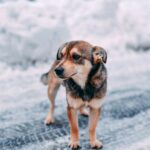
Before we dive into specifics, it’s crucial to understand that size matters. Smaller dogs generally have a harder time retaining heat than larger breeds. Similarly, young puppies, senior dogs, and those with short coats or thin fur are particularly vulnerable.
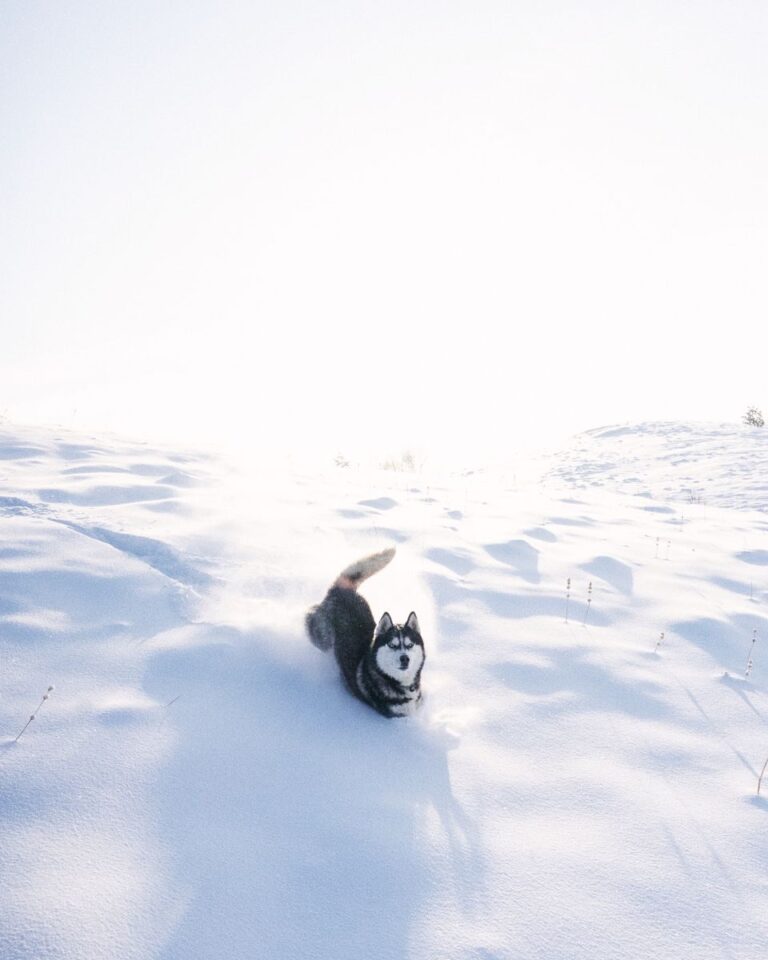
Breed also plays a significant role. Dogs with thick double coats, like Huskies or Malamutes, are naturally equipped to handle colder temperatures better. On the other
end, breeds with short coats or origins from warmer climates often need more protection.
Signs Your Dog is Too Cold
Learning to recognize the signs that your dog is feeling the chill is essential. Here’s what to watch for:
- Shivering: While common in cold humans, shivering in dogs is often a clear sign their core temperature is dropping. It’s their body’s attempt to generate heat.
- Hypothermia Symptoms: As shivering progresses or becomes prolonged, hypothermia can set in. Signs include:
- Lethargy or lack of energy
- Slow heart rate
- Shallow breathing
- Weak pulse
- Bluish tint to the gums or tongue
- Collapse
- Frostbite: Look for ice crystals forming on extremities (ears, nose, paws, tail). Skin may appear pale, red, then white or blue, and feel hard or waxy. This is a medical emergency.
- Behavioral Changes: Hiding (away from where you usually walk them), reluctance to walk, whining, or excessive clinginess can all indicate discomfort.
Vancouver’s Winter Reality
Vancouver’s winters are characterized by cool, damp air and frequent rain. While direct sunlight can sometimes provide some warmth, the wind chill and moisture can make the perceived temperature much colder. Snowfall, while common in certain areas, adds another layer of complexity.
It’s not just about the thermometer reading. A calm, sunny day might allow for a short walk at a slightly lower temperature than a windy, rainy day at the same official reading.
Tips for Vancouver Dog Owners in Cold Weather
1. Dress Them Appropriately
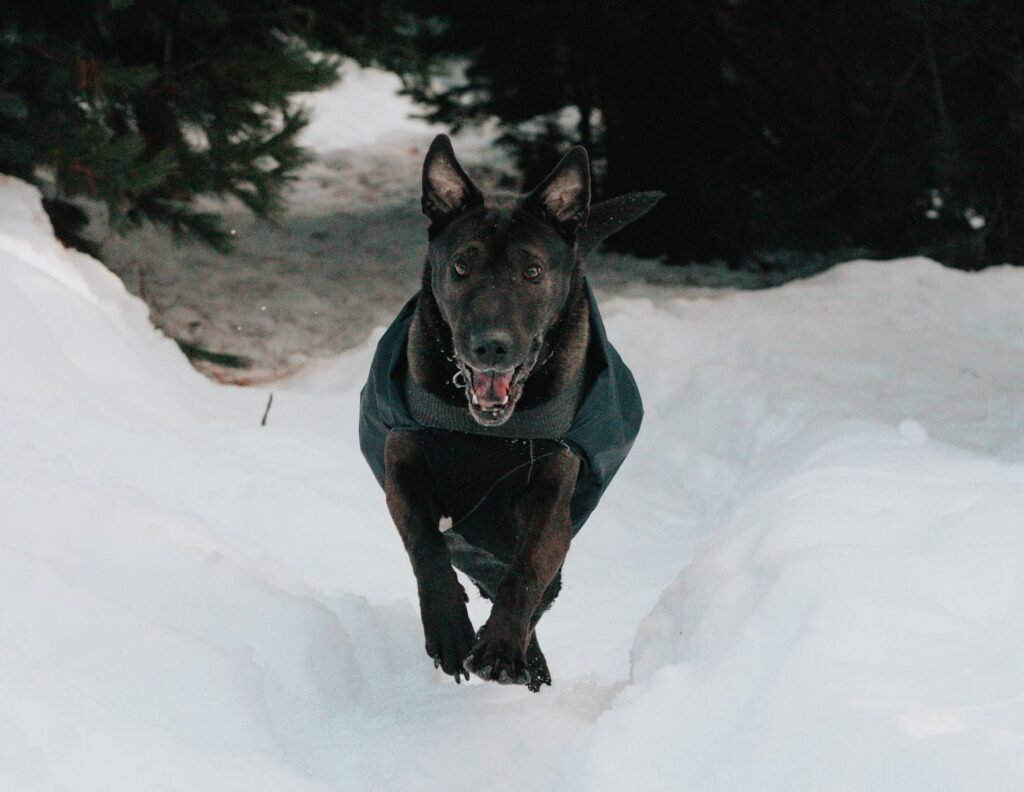
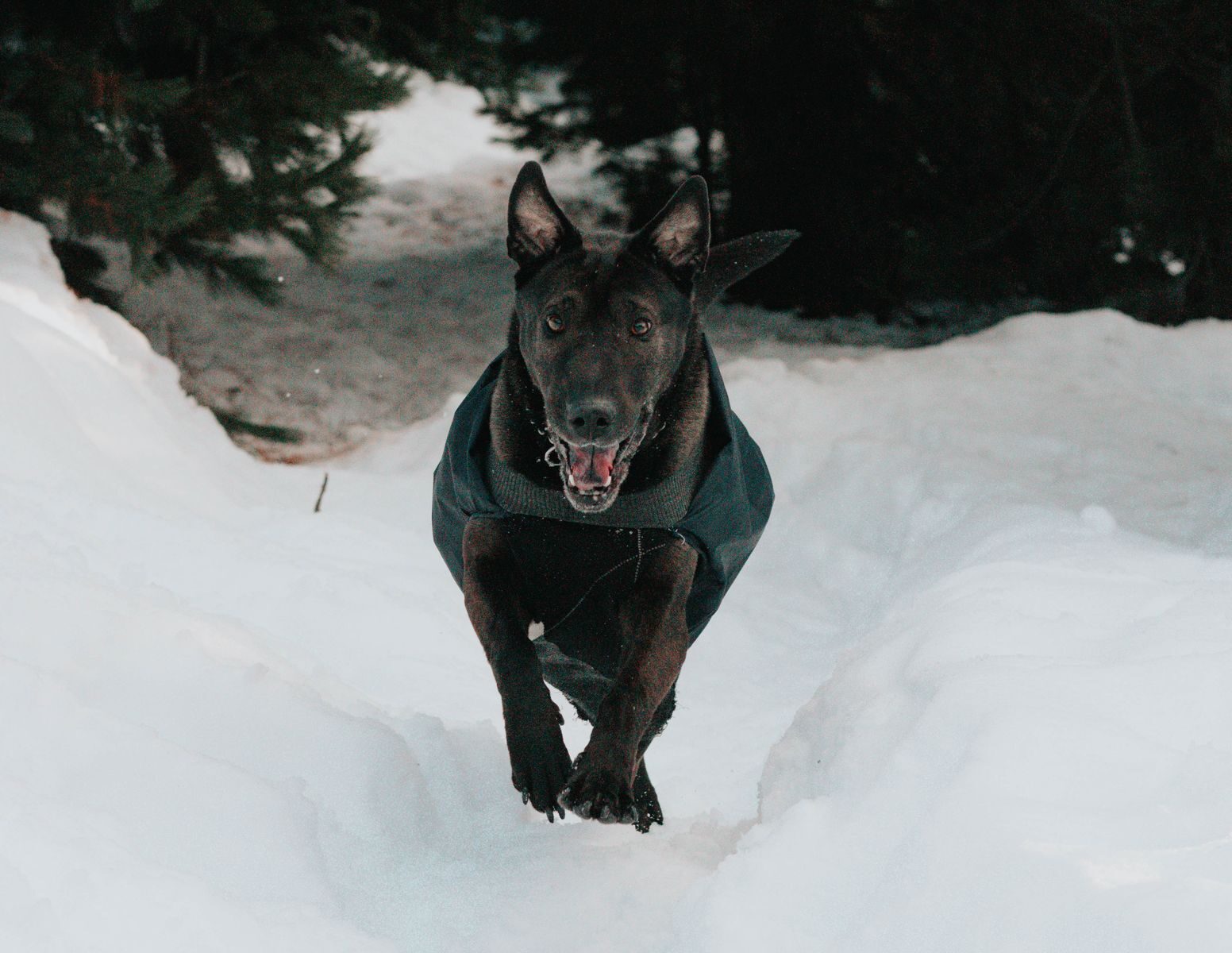
- Sweaters: Many dogs happily wear sweaters. Ensure it’s the right fit – not too tight around the neck or chest. Medium to heavyweight sweaters offer the most warmth. Consider small Canadian-made dog apparel for a comfortable fit.
- Hats and Boots: A well-fitting, insulated hat can protect ears and sometimes face from wind and cold. Boots are essential for protecting paws from ice, snow, and salt chemicals often used for de-icing. Look for durable, insulated options.
- Layers: Some dogs tolerate multiple light layers better than one thick one. Experiment to see what your dog accepts.
2. Limit Exposure
- Duration: Time spent outside should be limited as temperatures drop. A quick potty break might be okay, but extended walks require caution.
- Timing: Avoid walks during the coldest part of the day, typically late morning to early afternoon in winter.
- Wind and Rain: These make cold much worse. Avoid prolonged exposure in windy or rainy conditions.
3. Provide Warmth Indoors
- Ensure your dog has a warm, dry, and cozy indoor space away from drafts.
- Provide fresh water indoors, as water left outside can freeze.
4. Know Your Dog’s Limits
Every dog is different. Pay close attention to your dog’s individual tolerance. What works for one might not work for another. If your dog shows any sign of discomfort, bring them inside.
5. Check for Frostbite
After outdoor time, check your dog’s ears, nose, tail, and paw pads and between the toes for signs of frostbite (ice crystals, discoloration). Warm these areas gradually by bringing them inside and using lukewarm water or a warm towel.
6. Don’t Forget the Breed
Know your dog’s breed’s typical cold tolerance. While many breeds are well-suited to Vancouver’s climate, some may need more protection than others.
7. Consult Your Vet
Discuss your dog’s cold tolerance with your veterinarian. They can provide breed-specific advice and guidance on safe temperatures and appropriate clothing.
What to Do If Your Dog Gets Too Cold
If you notice signs of hypothermia or severe cold stress:
- Bring your dog inside immediately to a warm, dry area.
- Wipe off any ice or snow.
- Warm them gradually with blankets or towels.
- Offer small amounts of warm water to drink (don’t force them).
- Seek veterinary attention immediately, especially if they are shivering uncontrollably, lethargic, or showing signs of hypothermia.
Final Thoughts
Keeping your Vancouver-area dog comfortable in the cooler months is about being observant and prepared. By understanding your dog’s individual needs, recognizing the signs of cold stress, and taking appropriate precautions, you can ensure your furry friend stays happy and healthy through all seasons. Remember, a little extra care goes a long way in keeping your best friend warm and cozy.