In this story
Why Positive Reinforcement Training Works for Dogs in Toronto
As a proud dog owner in Toronto, you’re likely looking for effective ways to train your furry companion. With the city’s unique pace and the joys of urban living, having a well-behaved dog is more than just convenient—it enhances your quality of life together. But with so many training methods available, how do you choose one that truly works?
One approach has consistently proven to be not only effective but also deeply beneficial for both dogs and owners: positive reinforcement training. This method isn’t just a buzzword; it’s a science-backed approach that builds a stronger bond and creates a happier dog. Let’s explore why this method works so well, especially for dogs and owners navigating the Toronto landscape.
What is Positive Reinforcement Training?
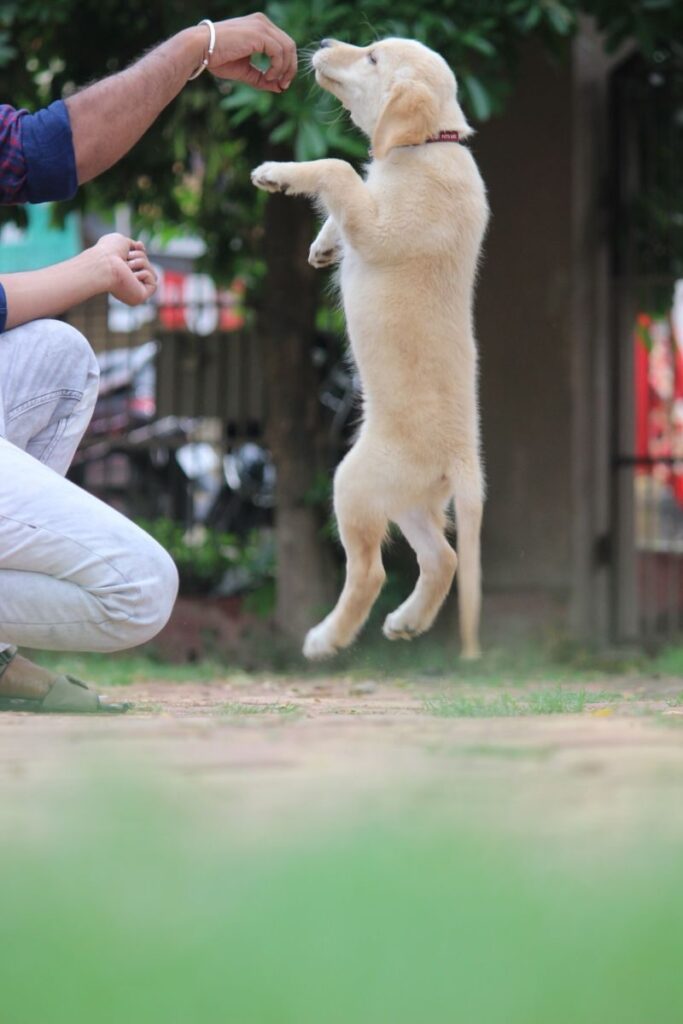
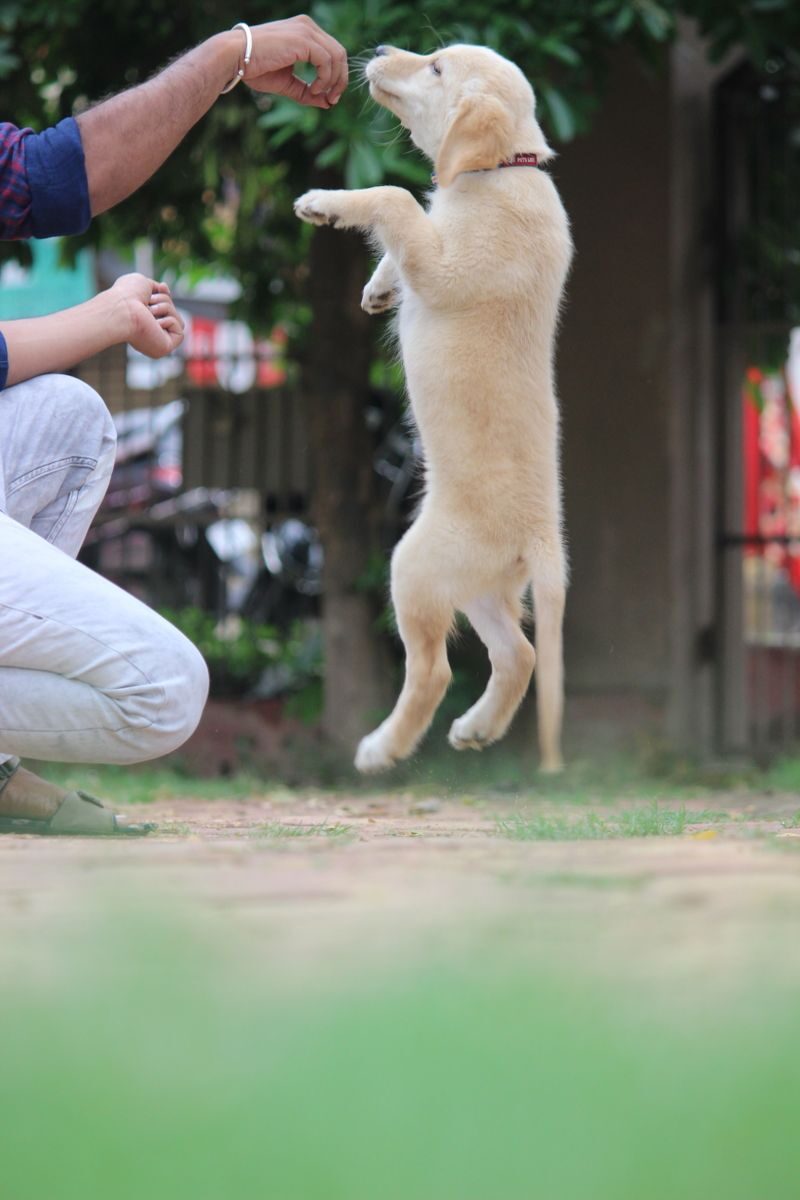
At its core, positive reinforcement training is about adding something desirable (a reward) to encourage a desired behavior. When your dog does something right, you mark that moment and give them a treat, a toy, praise, or another high-value reward. This tells them “Yes! That’s what I want!” and makes them more likely to repeat the action.
Think of it like this: You’re not punishing mistakes, you’re celebrating successes. You’re building a positive association with the desired behavior. This approach focuses on what the dog is doing well, which makes training sessions enjoyable for everyone involved.
The Science Behind the Smile: Why It Works
Positive reinforcement works because it taps into the fundamental way dogs—and all animals—learn. Dogs are motivated by seeking rewards and avoiding discomfort. When a behavior is followed by a reward, the brain releases dopamine, creating feelings of pleasure and satisfaction. This positive feeling reinforces the behavior, making it more likely to be repeated.
Builds Confidence and Reduces Fear
Toronto’s parks, like Humber Bay Park or High Park, offer wonderful environments, but they can also be overwhelming for dogs (and owners!). Positive reinforcement focuses on building confidence. By rewarding calm behaviour in gradually challenging environments, you help your dog learn to navigate these spaces comfortably.
Creates a Stronger Human-Canine Bond
When you reward your dog for doing something you ask them to do (like sitting politely before opening the door or coming when called), you’re strengthening the connection between their action and a positive outcome. This mutual respect and enjoyment of the training process deepen the bond you share. It’s a partnership built on trust and understanding.
Focuses on Effort, Not Just Outcome
Not every dog learns at the same pace, and not every behaviour comes easily. Positive reinforcement celebrates the effort and small steps along the way. If your dog looks like they’re trying (even if they don’t quite nail the behaviour yet), a reward acknowledges that effort. This patience is crucial, especially when dealing with apartment living or training in a city with varying weather conditions.
Reduces Anxiety and Stress
Punishment-based methods can create fear and anxiety in dogs. They may start to associate training sessions—or even you—with negative experiences. This can lead to increased stress, hiding, or even aggression. Positive reinforcement, on the other hand, creates a safe and positive learning environment. Dogs are less likely to feel anxious or afraid during training, leading to a more relaxed and cooperative companion.
Makes Training Enjoyable for Everyone
Training doesn’t have to be a chore. With positive reinforcement, sessions can be fun games. This makes it easier to maintain consistency, which is key to effective training. A happy, engaged dog is more receptive to learning, and for the owner, it means less stress and more rewarding time together, fitting right into the active lifestyle many Torontonians enjoy.
Practical Tips for Implementing Positive Reinforcement in Toronto
Ready to try positive reinforcement? Here’s how to get started:
1. Identify High-Value Rewards
Not all treats are created equal! What motivates your dog? Some might love small pieces of chicken, while others prefer smelly cheese or freeze-dried liver. Keep a variety of small, high-value treats handy. Consider local Toronto-made dog treats for special rewards (without making specific brand recommendations).
2. Use Clear Cues
Mark the precise moment your dog does the desired behaviour with a distinct cue. This could be a clicker (the “click” marks the behaviour), a specific word like “yes!” or “good!”, or even a light tap. Consistency is key here.
3. Keep Training Sessions Short and Fun
Evening walks in Toronto’s ravines or along the waterfront are great opportunities for quick training sessions. Keep them short—aim for 5-10 minutes—and end on a positive note. This prevents fatigue and keeps your dog motivated.
4. Be Patient and Consistent
Training takes time, especially in a city as diverse as Toronto with its many parks and neighbourhoods. Consistency is crucial. Everyone in the household should use the same cues and rewards for the same behaviours.
5. Focus on One Behaviour at a Time
Start simple! Teach basic commands like “sit”, “stay”, or “come” using positive reinforcement before moving on to more complex tasks. Master one thing reliably before tackling the next.
Navigating Toronto’s Urban Environment with Positive Training
Living in Toronto means navigating busy streets, navigating the subway, exploring ravines, and enjoying waterfront parks. Positive reinforcement helps your dog learn appropriate behaviour in these varied environments:
- Public Transit: Teaching your dog to be calm on a leash near the subway or bus doors using rewards for polite behaviour.
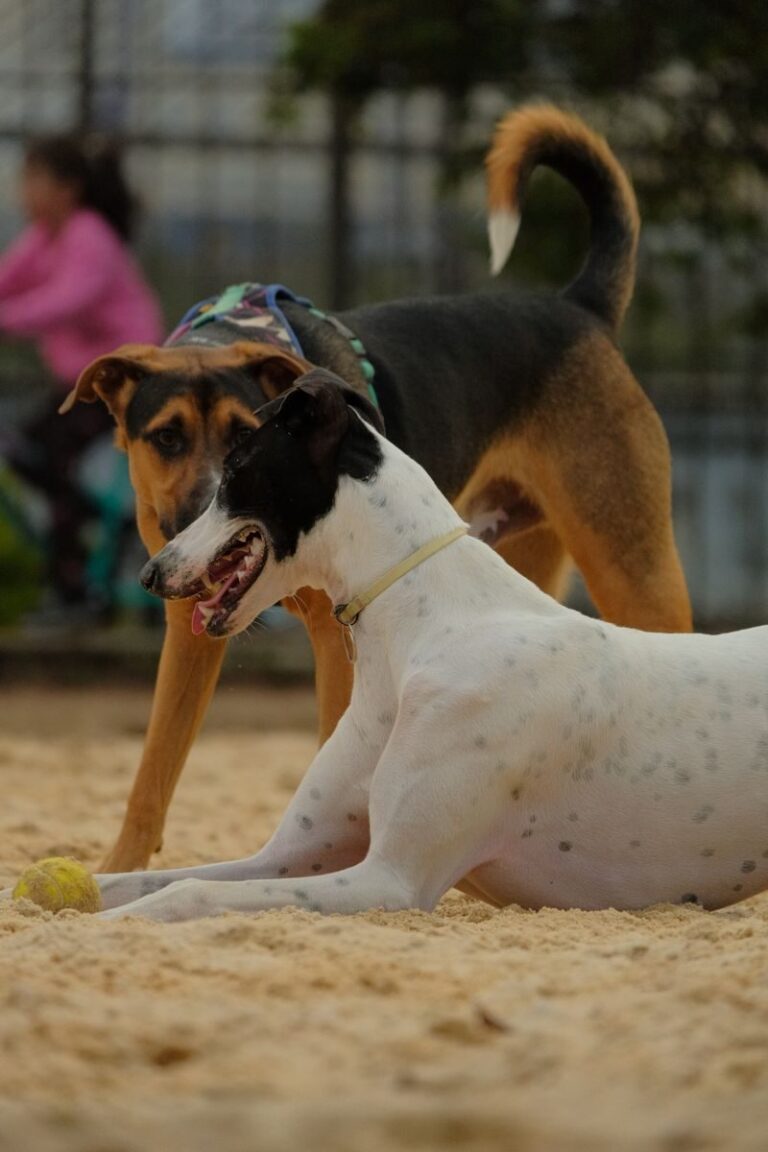
- Parks: Rewarding your dog for appropriate sniffing distances, staying with you, or coming when called in Humberstone Park or Tommy Thompson Park.
- Apartment Living: Using positive reinforcement to manage indoor behaviours, like staying off counters or learning to calm down when the TV is on.
Beyond the Basics: Positive Reinforcement for Specific Situations
Positive reinforcement isn’t just for basic commands. It can be incredibly effective for:
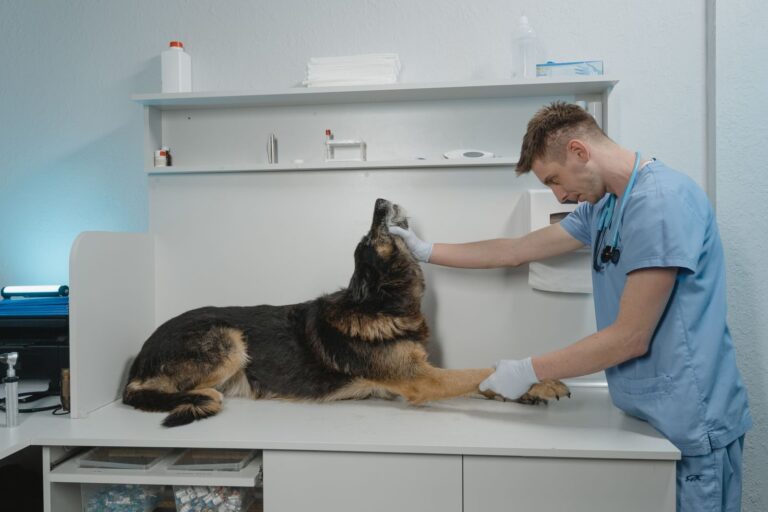
- Desexing and Counterconditioning: Helping your dog adjust to the veterinary clinic environment.
- Managing Resource Guarding: Teaching relaxation and trust around food.
- Addressing Noise Phobias: Gradually exposing your dog to loud noises (like a TTC train or a firework) while providing calm rewards.
The Takeaway for Toronto Dog Owners
Positive reinforcement isn’t just a training method; it’s a philosophy. It respects your dog’s individuality, builds a stronger relationship, and creates a more confident, well-behaved companion. It’s an investment in your dog’s well-being and a rewarding experience for you too.
So, grab those high-value rewards (perhaps some local Toronto-made goodies for extra points!) and start celebrating your dog’s successes. You might just find that training in Toronto’s vibrant city environment becomes a shared adventure you both enjoy.
Note: For more in-depth training guidance, consider consulting a certified positive reinforcement trainer in the Toronto area.
Related posts:
 The Magic of Positive Reinforcement: Why It Works for Hamilton’s Dogs
 Master Loose-Leash Walking in Toronto: A Practical Guide
 Is Your Toronto Dog Bored? Signs & Solutions for Canine Contentment
 Why Positive Reinforcement Training Works Wonders for Your Calgary Dog
 Why Positive Reinforcement Training Works Wonders for Edmonton Dogs