In this story
Keeping Your Dog Safe at Night in Vancouver
As a dog owner in Vancouver, you’re part of a vibrant community that shares the unique challenges and beauty of this diverse city. While our four seasons bring distinct nighttime considerations, ensuring your furry companion stays safe from dusk to dark is a shared responsibility. From navigating the city’s unique lighting conditions to preparing for seasonal weather changes, there are practical steps you can take to keep your best friend safe and comfortable all night long.
Safety From Dusk to Dark: A Community Approach
Vancouver’s distinct seasons dramatically change what we need to consider for nighttime walks and yard safety:
Fall to Winter (October to April):
* Reduced daylight: As days shorten, familiar routes become darker faster. Your dog’s vision may be better than yours, but they can still struggle in low light. Always use reflective gear.
* Cold weather: Frosty mornings, rain, and wind mean keeping your dog indoors is often the safest option. If they need to go out, ensure they are properly equipped.
* Hypothermia risk: Even indoor dogs need warm bedding, especially if they spend time outside.
Spring to Summer (April to October):
* Longer days: More daylight means longer walks, but evenings can still be cool and potentially wet.
* Warmer nights: While generally safer from cold, warmer nights can bring increased bug activity or even heatstroke risk if walks are too late or too long.
* Changing tides: Remember that daylight saving time changes twice a year impact your schedule!
Essential Nighttime Safety Gear for Vancouver
Regardless of the season, certain gear is practically non-negotiable for Vancouver dog owners:
Visibility is Key
- Reflective vests: Crucial for making your dog visible to drivers, cyclists, and pedestrians, especially during shorter daylight hours.
- Bright collars and tags: Ensure your dog’s collar and ID tags are highly visible.
- Light-up toys or accessories: Optional but helpful for playtime or if your dog tends to lag behind.
Weather Appropriate Gear
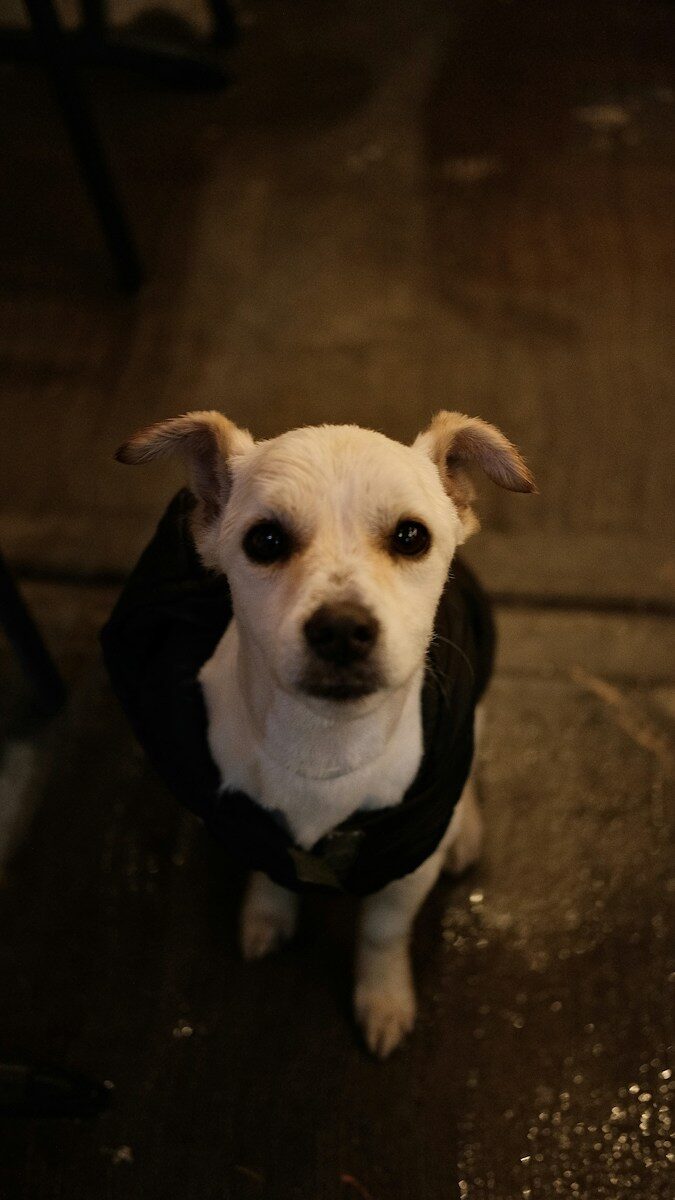
- Vests or sweaters: Especially important during the colder months to keep your dog warm during walks and while sleeping.
- Hiking boots: Consider these for slippery or icy conditions on Vancouver’s trails.
Identification
- Engrave contact numbers: Ensure your phone number and address are clearly engraved or laser-etched onto your dog’s tag.
- Consider microchipping: While tags are essential, microchipping provides a reliable backup for lost pets.
Keeping Your Dog Safe Indoors at Night
Many Vancouver residents keep dogs indoors during the darker, colder months. Here’s how to make your home the safest place for your dog:
Creating a Comfortable Indoor Sanctuary
- Thermoregulation: Provide a cozy, draft-free sleeping area. Use heated beds or hot water bottles (carefully!) for warmth during winter. Ensure good air circulation in summer.
- Noise sensitivity: Some dogs are sensitive to household noises like vacuum cleaners or traffic sounds at night. Offer a quiet, soundproofed room or a calming bed if needed.
- Sensory comfort: Keep a window open or use a TV or radio playing softly to provide some ambient noise if your dog seems uneasy in complete silence.
Preventing Indoor Accidents
- Supervise: Especially if your dog has access to a new area or if you’re trying a new routine.
- Secure access: Consider crate training for restful sleep and to prevent accidents or destructive behaviour.
- Electrical safety: Cover or secure electrical outlets and keep cords out of reach.
Securing Your Yard or Apartment Balcony
If your dog enjoys outdoor time at night:
For Single-Family Homes
- Fencing: Ensure your fence is sturdy and properly maintained. Check for gaps, holes, or weak spots, especially after Vancouver’s wet seasons.
- Digging prevention: Use deterrents like double-sided tape, aluminium foil, or citrus sprays.
- Supervision: Never leave your dog unattended near an open yard.
For Apartment or Condo Living
- Screened balconies: Ensure the screen is intact and fits snugly. Keep your dog inside unsupervised.
- Balcony safety: Be aware of rail heights and potential drop-offs.
Responsible Nighttime Walking in Vancouver
Evenings are prime time for exploring Vancouver’s beautiful parks and neighbourhoods. Walking your dog safely requires mindfulness:
Visibility and Communication
- Reflective gear: As mentioned, essential for visibility.
- Use lights: Consider clip-on harness lights or LED collars for better visibility from all angles.
- Walk during golden hours: If possible, walk during the brighter parts of evening or morning.
Route Planning
- Familiar territory: Stick to well-lit, familiar routes where you know the terrain.
- Avoid distractions: Keep your phone away from your dog and maintain focus on the path.
- Know your area: Be aware of potential hazards like construction zones or uneven ground.
Weather Preparedness
- Check forecasts: Always be prepared for rain, wind, or potentially even snow.
- Carry essentials: Always have water, waste bags, and perhaps a small snack.
- Know your limits: If it becomes too cold or unsafe, bring your dog inside.
Emergency Preparedness
Being prepared can make a significant difference if your dog becomes lost or needs urgent care after hours:
An Emergency Kit is Essential
- Food and water: At least a day’s supply.
- First-aid kit: Keep it updated with supplies appropriate for pets.
- Vaccination records: Keep copies in a wallet-sized folder.
- Contact list: Include vet information, emergency contacts, and the SPCA/Vancouver Humane Society numbers.
- Treats: Can be useful for calming or positive reinforcement.
What to Do If Your Dog Disappears
- Act quickly: Time is critical.
- Alert neighbours: Ask them to keep an eye out.
- Use local resources: Contact the SPCA at 604-316-PAWS (7297) or the Vancouver Humane Society.
- Check thoroughly: Search your property, nearby areas, and familiar dog spots.
Community Resources in Vancouver
Vancouver offers various resources for pet owners:
* Vancouver Humane Society: Provides adoption, education, and emergency services.
* SPCA Canada: An independent organization with resources across the city.
* City of Vancouver Animal Services: Handles animal control and licensing.
* Local parks: Familiarize yourself with park rules regarding dogs.
Conclusion: A Responsible Approach as a Vancouver Dog Owner
Keeping your dog safe at night in Vancouver requires awareness, preparation, and consistent practice. By understanding the unique seasonal challenges our city presents and implementing practical safety measures, we ensure our canine companions remain healthy, happy, and secure. Responsible pet ownership benefits everyone in our diverse city – our dogs and the wider community too.
Remember, every dog is an individual, and needs assessment should be tailored to your specific pet. Always prioritize your dog’s comfort and safety above all else.