In this story
How Often Should Your Edmonton Dog Visit the Vet?
Being a dog owner in Edmonton means you’re part of a wonderful community of fellow pet lovers. Our winters can be tough, parks like Churchill Park and Whytewood are fantastic, and finding a good kennel for those unexpected absences isn’t too hard. But amidst all the fun, one question often comes up: how often should I actually take my dog to the vet?
It’s more than just an annual checkup; it’s about ensuring your best friend stays happy, healthy, and wagging their tail through all four seasons. Understanding the recommended veterinary schedule helps you provide the best care possible.
Beyond the Annual Checkup: A Look at Your Edmonton Dog’s Health Needs
While “once a year” is a common recommendation, think of it less like a strict deadline and more like a wellness milestone. Veterinary care for dogs is dynamic, tailored to their individual needs, age, breed, lifestyle, and overall health. What might be standard for one dog could be different for another.
The Foundation: Regular Wellness Exams
- Why They’re Crucial: These are your opportunities to “catch” health issues early before they become serious problems. Your vet can monitor weight, check for signs of illness (like dental disease, heart problems, or arthritis), assess vaccination status, and discuss preventative care.
- Frequency: For a healthy adult dog, a wellness check-up at least once a year is generally recommended. Some dogs, especially those over 7 years old, might benefit from more frequent visits (e.g., twice a year).
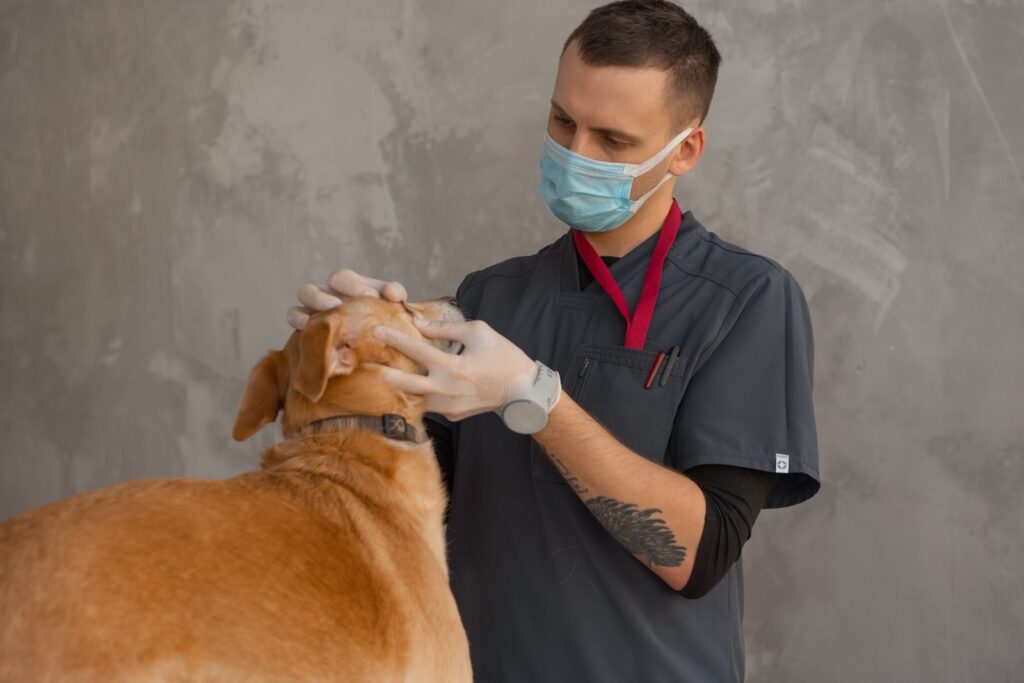
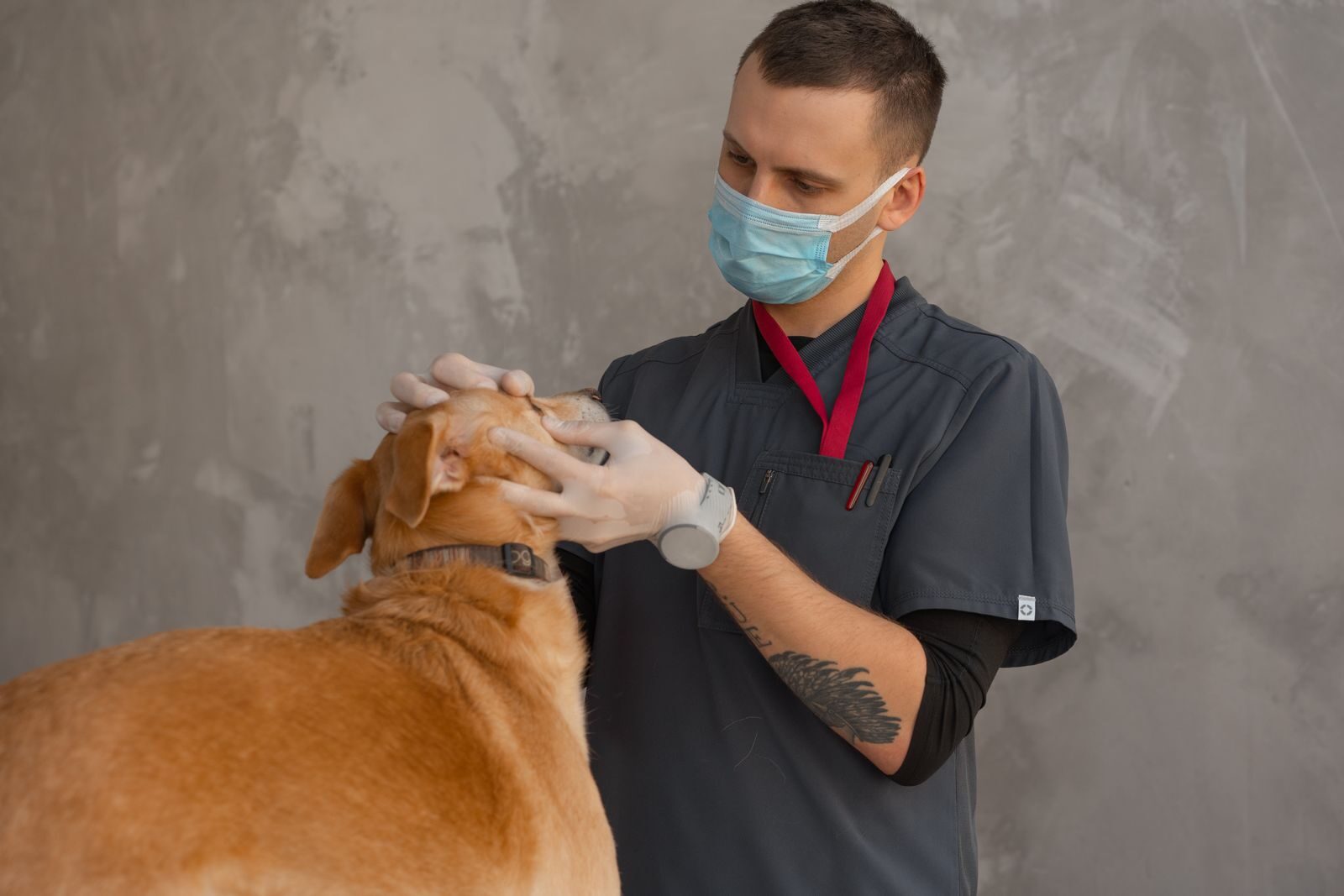
- What to Expect: During a wellness visit, the vet will listen to the heart and lungs, check teeth and mouth, examine eyes, listen to the abdomen, check ears and paws, assess joints, and weigh your dog. You’ll often have a chance to discuss any questions or concerns.
Vaccinations: Protecting Your Edmonton Pooch
Vaccinations are a vital part of preventative care and help protect your dog against serious and sometimes fatal diseases.
- Core Vaccines: These are essential for most dogs and protect against common diseases like Rabies, Distemper, Adenovirus (Hepatitis), Parvovirus, and Parainfluenza. Rabies vaccination is legally required in Alberta, including Edmonton.
- Lifestyle-Dependent Vaccines: Depending on your dog’s lifestyle (e.g., frequenting dog parks, boarding kennels, going to grooming or visiting other Edmonton dog parks, travelling south of the border), vaccines for Bordetella (kennel cough), Leptospirosis, Lyme disease, or Canine Influenza might be recommended.
- Vaccination Schedule: Puppies require a series of vaccinations starting at 6-8 weeks, with boosters given every 3-4 weeks until they are about 16-20 weeks old. After that, most core vaccines are given annually, though some (like Rabies) might have a 3-year effectiveness in certain jurisdictions. Discuss this with your Edmonton vet.
- Keep Records: Always keep your dog’s vaccination records safe and bring them to every vet visit. This helps track due dates and ensures your dog remains protected.
Parasite Control: Fleas, Ticks, and Worms
Parasites aren’t just annoying; they can make your dog very sick.
- Fleas and Ticks: These can cause skin problems, transmit diseases, and be a major concern in Edmonton’s warmer months (spring and summer). Year-round prevention is often recommended in Alberta due to the potential for infestations even in milder winters. Discuss tick activity specific to Edmonton with your vet.
- Internal Parasites (Worms): Intestinal worms like roundworms, hookworms, whipworms, and tapeworms are common. Puppies are particularly susceptible. Regular fecal examinations (stool checks) are important, and your vet will recommend a preventative treatment schedule (monthly or quarterly).
- Heartworm: This is a serious and potentially fatal disease transmitted by infected mosquitoes. Heartworm prevention is typically a monthly chewable or topical treatment. It’s crucial year-round in Edmonton because mosquitoes can be active even in cooler weather, and catching heartworm early is vital.
Dental Care: More Than Just Teeth Cleaning Day
Dental disease is incredibly common in dogs and can lead to pain, tooth loss, and even affect internal organs. Regular dental checkups are essential.
- Frequency: While a yearly wellness exam includes an oral assessment, if your dog has significant tartar buildup, periodontal disease, or shows signs of dental pain (bad breath, drooling, difficulty eating), more frequent dental cleanings (under anesthesia) might be necessary.
- At-Home Care: Daily tooth brushing is the gold standard, but isn’t possible for all Edmonton dog owners. Regular use of dental chews, water additives, and appropriate food can help slow the progression of dental disease.
- Professional Cleanings: These remove plaque and tartar below the gumline, which cannot be done effectively at home.
Other Factors Influencing Vet Visit Frequency
- Age: Puppies need more frequent visits until their vaccinations and parasite control are established (typically 1-2 visits per month starting at 6 weeks). Senior dogs (usually 7+ years old) may require more frequent checkups (every 6 months or even more often) to monitor age-related changes.
- Breed and Health Conditions: Certain breeds are prone to specific health issues (e.g., hip dysplasia, certain heart conditions). Dogs with existing health problems (diabetes, kidney disease, thyroid issues, etc.) need more frequent monitoring.
- Lifestyle: Active dogs or those frequently exposed to other dogs (parks, dog shows, boarding) might need more frequent parasite checks or vaccinations.
- Behaviour Changes: If your dog suddenly changes behaviour, seems lethargic, loses appetite, or has unusual symptoms, don’t wait for the scheduled wellness visit. A vet visit is warranted.
- Spay/Neuter Status: While not directly affecting visit frequency, discussing spay/neuter with your vet is part of preventative health planning.
When to Seek Emergency Vet Care in Edmonton
While routine checkups are key, there are times when you need immediate veterinary attention:
- Severe Pain: Any indication of extreme discomfort.
- Trauma: Injuries from accidents or fights.
- Difficulty Breathing: Laboured, rapid, or noisy breathing.
- Seizures: Any unprovoked seizure.
- Sudden Illness: Vomiting, diarrhea (especially bloody), lethargy, hiding, inability to drink or eat.
- Poisoning: Accidental ingestion of toxic substances (chocolate, antifreeze, certain plants, medications).
- Broken Bones: Visible fractures or signs of severe lameness.
Finding a Vet in Edmonton
Edmonton has several excellent veterinary clinics and hospitals. You can find recommendations through local pet communities, Facebook groups, or by asking friends. Look for practices that offer comprehensive care and build relationships with their clients.
Conclusion: Prioritizing Your Edmonton Dog’s Health
Determining how often your Edmonton dog needs to visit the vet isn’t one-size-fits-all. While regular wellness exams starting at least annually are the foundation, factors like age, health status, lifestyle, and the need for vaccinations and parasite control dictate the exact schedule. By working closely with your veterinarian and staying vigilant about your dog’s health, you ensure they get the care they need to thrive in Edmonton and beyond. Making these checkups a priority is one of the best things you can do for your furry family member.
Proactive care today ensures a happy, healthy Edmonton dog for years to come.