In this story
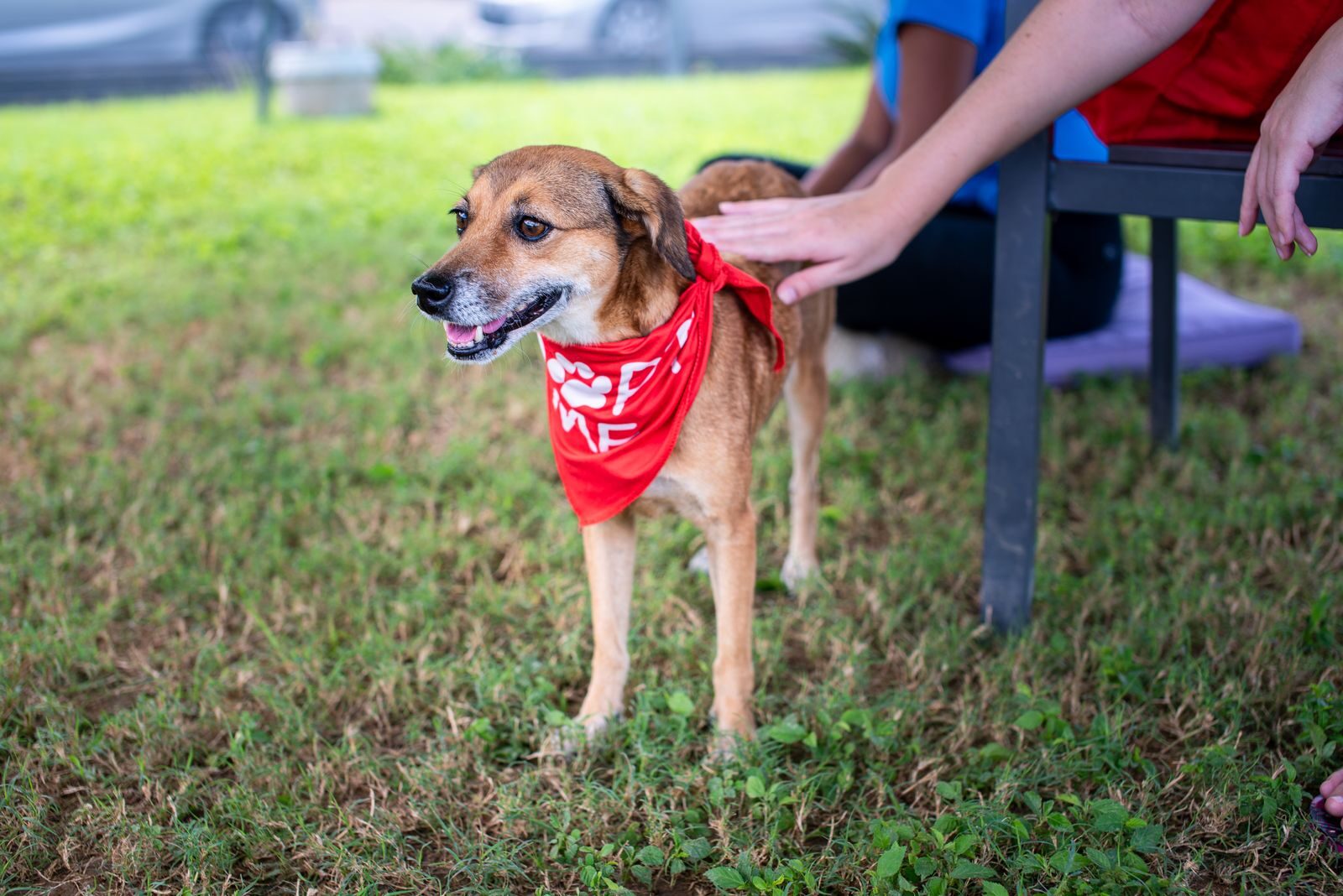
Welcoming an Anxious Rescue Dog to Winnipeg: A Compassionate Guide
Bringing a rescue dog into your home is a rewarding experience, but it comes with its unique set of challenges, especially when they arrive with anxiety. Winnipeg’s distinct seasons, bustling city life, and unique community can be overwhelming for any sensitive soul, particularly one who has faced past adversity. The good news? With patience, understanding, and consistent effort, you can help your anxious rescue thrive here. This guide offers practical, compassionate steps tailored for Winnipeg residents.
Understanding Anxiety in Rescue Dogs
Before diving into solutions, it’s crucial to understand that anxiety in dogs isn’t the same as being timid or shy. It’s a genuine emotional response to perceived threats or stressors. Common triggers can include:
- Past trauma: Many rescue dogs carry the weight of previous experiences, leading to fear responses in certain situations.
- Changes in environment: Moving to a new home, even with positive intent, can be disorienting.
Creating a Haven: A Safe Space in Your Winnipeg Home
The first step in helping your anxious rescue is establishing a secure, comforting space. This is especially important during Winnipeg’s colder months.
Designate a Quiet Retreat
- Identify a low-traffic zone: Choose a room or corner of your home that experiences the least amount of visitor traffic and noise. Basements or spare rooms can be ideal.
- Keep it accessible: This space shouldn’t be a cage, but a defined area they can retreat to anytime. Ensure they have access to food, water, and a cozy bed.
Winnipeg Weather Considerations
- Cozy indoors: Prioritize keeping your anxious dog indoors during extreme cold or wind. Their anxiety might worsen in harsh weather.
- Comfortable bedding: Provide soft, warm bedding. Consider heated beds designed for pets, ensuring they’re safe and not too deep.
Gradual Exposure to the Wider Home
- Controlled introductions: Once they feel comfortable in their safe space, slowly introduce them to other parts of the house. Keep initial excursions short and end on a positive note.
- Desensitize to sounds: Winnipeg homes might have unique sounds (heating systems, street noises). Allow them to get used to these gradually.
Building Trust and Positive Associations
Trust is the foundation when working with an anxious dog.
Be Patient and Respect Their Boundaries
- Watch for signs: Learn to recognize your dog’s anxiety signals (whining, tucked tail, panting, hiding). Don’t push them beyond their comfort zone.
- Let them initiate: Allow your dog to approach you and new things on their own terms.
Positive Reinforcement is Key
- Reward calm behaviour: When your dog remains relaxed in a potentially stressful situation (like being near a busy street from your window), reward them with treats and praise.
- Value their efforts: Celebrate small successes. Consistency and patience are paramount.
Winnipeg-Specific Scenarios
- Car rides: Many rescue dogs are anxious about car travel. Start desensitization slowly – perhaps just sitting in the parked car with the engine off.
- Parks: While places like Assiniboine Park or The Forks offer beauty, approach park visits calmly and positively. Let them explore on leash at their own pace.
Desensitization and Counter-Conditioning
This is a gradual process of helping your dog learn positive associations with previously anxiety-provoking stimuli.
Identify Specific Triggers
- Common triggers: Noise (thunder, fireworks, vacuum cleaner), strangers, other dogs, certain textures, car rides, etc.
- Keep a journal: Note when and where anxiety occurs to pinpoint triggers.
Develop a Plan
- Start extremely low: For example, if fireworks are a trigger, begin when there’s minimal activity. Play recordings at very low volume.
- Pair trigger with reward: When the trigger is present (real or simulated), focus on giving high-value rewards (treats, play) so the dog learns the trigger doesn’t always mean danger.
- Professional guidance: A Winnipeg-based certified animal behaviour consultant can provide personalized desensitization plans.
Leveraging Winnipeg Community Resources
Winnipeg offers dedicated resources for both dogs and owners.
Reputable Winnipeg Rescues
- Organizations like the Winnipeg SPCA, Valley Home for Little Creatures, or local shelters often provide excellent support and guidance.
- They understand the unique challenges faced by rescue dogs in our community.
Winnipeg-Based Support
- Professional trainers: Look for Winnipeg trainers specializing in positive reinforcement and anxiety. Ask about their experience with rescue dogs.
- Online support groups: Search for Winnipeg-specific groups for rescue dog owners. Sharing experiences can be incredibly helpful.
- Veterinary care: Your regular Winnipeg vet can discuss potential underlying medical causes for anxiety and recommend appropriate calming aids if needed.
Community Events
- Low-stress events: Attend Winnipeg events known for being low-key, like some library programs or quieter community gatherings.
- Dog parks: Once your dog is more confident, off-leash parks like those in the North End can be beneficial, but always prioritize their comfort level.
Patience, Persistence, and Celebrating Progress
Helping an anxious rescue adjust takes time and is a journey, not a destination. Winnipeg’s pace encourages patience – the cold winters might slow things down, but that’s okay.
What a Difference Looks Like
Progress might be slow. One day they might freeze, the next they might tentatively explore. Celebrate every tiny victory. A relaxed moment in their safe space, a successful car ride, a brief positive interaction – these are milestones.
Don’t Give Up
It requires ongoing effort, but with consistency and compassion, most anxious rescue dogs can learn to feel safe and comfortable in their new Winnipeg home. Your understanding and commitment make all the difference.
Final Thoughts for Winnipeg Pet Owners
Welcoming a rescue dog with anxiety into your Winnipeg life is a profound act of kindness. By providing a safe haven, building trust slowly, and using positive methods, you can help them navigate the unique landscape of our city and find their peace. Your patience and compassion are invaluable.