In this story
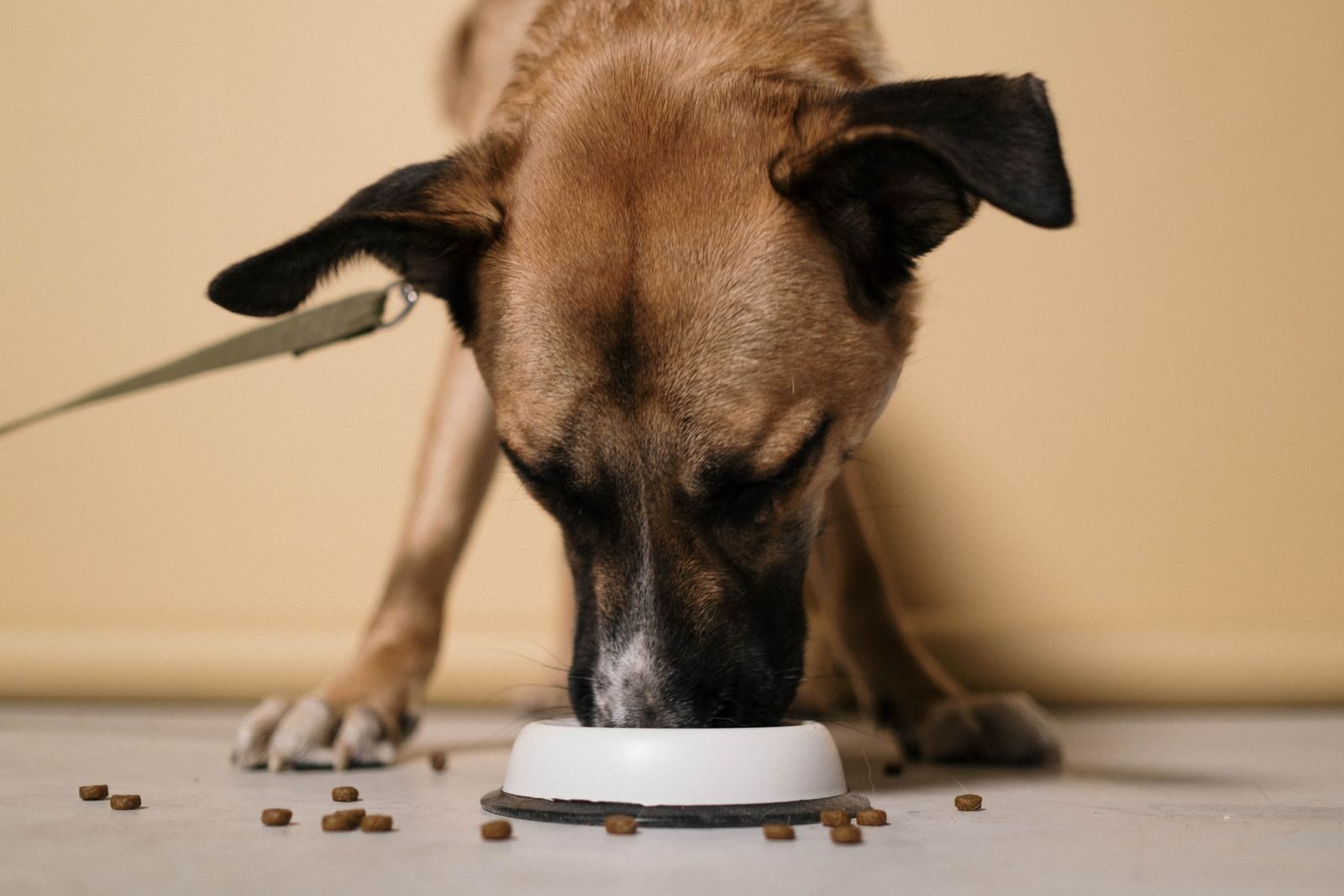
More Than Just Food: Making Mealtime Matter for Your Hamilton Dog
As any dedicated dog owner knows, life in Hamilton revolves around Fido – from morning walks along the Niagara Gorge trails or strolls through Glen Eden Park, to cozy evenings at home. But even the most cherished dogs need more than just food to feel fulfilled. In fact, enriching your dog’s daily routine, especially mealtime, is crucial for their mental and physical health.
Simple habits like sticking to a schedule or just putting kibble in a bowl can become monotonous for intelligent canines. This boredom isn’t just a minor inconvenience; it’s a serious issue that can lead to stress, destructive chewing (especially near furniture brought inside from outdoor adventures), and even weight gain if their metabolism slows down.
Thankfully, making mealtime engaging doesn’t require a trip to the most expensive pet store in downtown Hamilton or hours of specialized training. It’s about incorporating everyday elements you might already have. Let’s explore some practical ways to transform your dog’s dining experience right here in the Hamilton community.
**1. Embrace the Food Puzzle: Engage Their Natural Instincts
Dogs are working animals at heart, despite our best efforts to pamper them! Hiding food or using puzzle feeders taps into this primal instinct, turning a simple meal into an engaging hunt.
- DIY Hide-and-Seek: Scatter small portions of kibble or safe treats around their food bowl area. Use everyday items like empty toilet paper rolls (check they are sturdy and free of small parts), old t-shirts (ensure they are clean and safe), or even the corner of a room. You can also hide small amounts in the grass in a secure, fenced backyard area before a walk.
- Puzzle Feeders: Invest in or create simple puzzle toys. Commercial options like the Kong toy (available at many local pet shops) can be frozen for a cooling challenge on warmer days. Simpler DIY ideas include stuffing kibble into socks or pantyhose (ensure they are securely tied and won’t unravel easily), or using an interactive feeder toy.
This method not only provides mental stimulation but can also slow down eating, reducing the risk of digestive issues and helping them feel more satisfied with smaller portions.
** **2. Vary the Location: Make Eating an Adventure
Predictability is the enemy of engagement. Dogs thrive on routine, but their minds also crave novelty.
- Outdoor Dining: If weather permits and your dog enjoys it, eat outdoors. The changing scenery, smells, and sounds of the Hamilton park system or even just the backyard can make a huge difference. Ensure the area is safe and secure.
- Room Rotation: Designate different rooms for meals. Start in the living room, then move to the basement or a different part of the house. This simple change breaks up the routine.
- Mealtime Walks: A short, brisk walk before meals can mentally prepare your dog and change the environment they associate with eating.
**3. Practice Portion Control and Mindful Eating
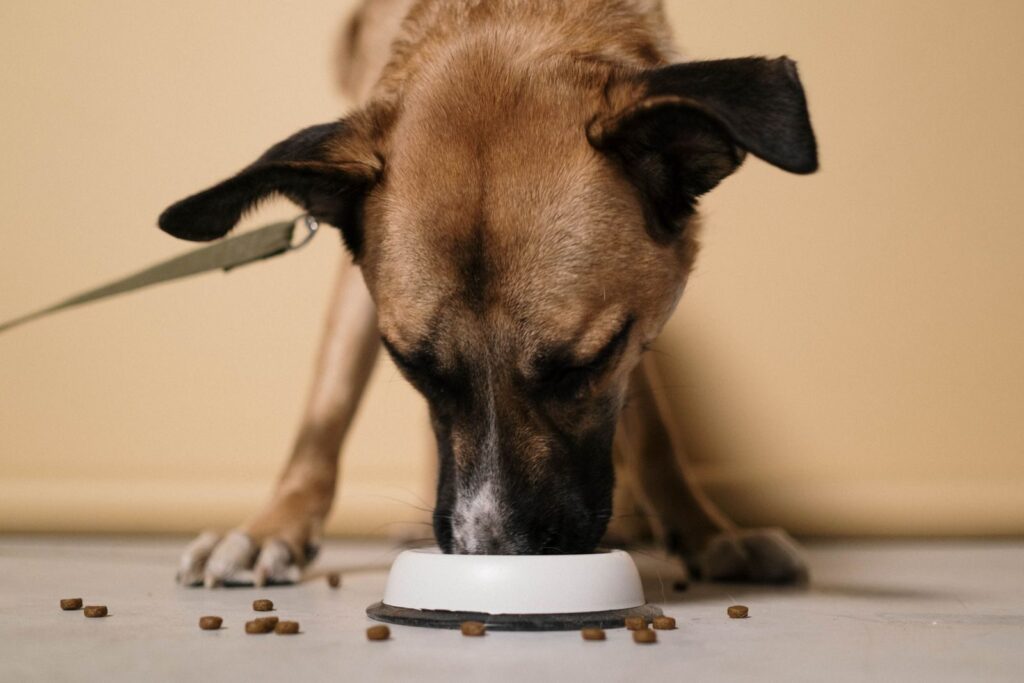
Overfeeding is a common issue, even with loving owners. Portion control isn’t just about numbers on a bag; it’s about mindful feeding.
- Measure Accurately: Use a proper measuring cup for dry kibble. Scooping directly from the bag often leads to inaccurate portions. Weighing food for more precision is also an option.
- Scheduled Feeding: Stick to consistent meal times. This regulates their digestive system and helps manage energy levels for activities like playing fetch or exploring Glen Echo Park.
- Avoid Free-Feeding: Leaving food down all day can lead to rapid eating, bloat (a serious condition), and less opportunity for you to monitor portion intake.
**4. Introduce Safe and Healthy Treats
Treats are a fantastic tool for enrichment, training, and simply showing love. However, moderation is key, especially considering the treats are part of their overall calorie budget.
- Healthy Options: Choose treats made from simple, recognizable ingredients. Small pieces of cooked chicken, carrots, green beans, or pumpkin are excellent. Small Canadian makers often produce wholesome, grain-free treats – look for brands locally if you prefer supporting community businesses.
- Training Reinforcement: Use small, healthy treats during training sessions. This makes training more positive and uses fewer calories than relying solely on high-calorie commercial treats.
- Treat Variety: Rotate between different healthy treat options to keep things interesting for your dog.
**5. The Power of Scent: Enrichment Through Smell
Dogs experience the world primarily through smell. Incorporating scent enrichment can be surprisingly easy.
- Scent Work: Place small, safe items around the house or yard that your dog can sniff out. Crumpled paper, different fabrics (ensure they are safe and clean), or even empty containers can provide olfactory stimulation.
- Scented Water: Add a few drops of pet-safe essential oil (like lavender or chamomile, use very sparingly) to their water bowl for a subtle, non-food-related scent change.
- Foraging: Encourage nose work by hiding food items around the house or yard.
**6. Combine with Other Enrichment Activities
Mealtime doesn’t have to be solitary. Combining it with other activities can make it even more beneficial.
- Feeding on a Tilted Surface: Place their food bowl on a slightly elevated or tilted surface. This requires more effort to eat and can engage different muscles.
- Interactive Toys During Meals: Encourage your dog to interact with a simple puzzle toy while they eat.
- Timing: Schedule meal times around other activities, like a walk or play session, to make the whole routine more dynamic.
**Safety First: A Few Important Considerations
While enriching mealtime is beneficial, safety must always come first:
- Supervise: Especially with DIY hide-and-seek or puzzle toys, ensure your dog isn’t swallowing large pieces or getting stuck.
- Check for Allergies: Introduce new treats or ingredients gradually and watch for any signs of allergies or digestive upset.
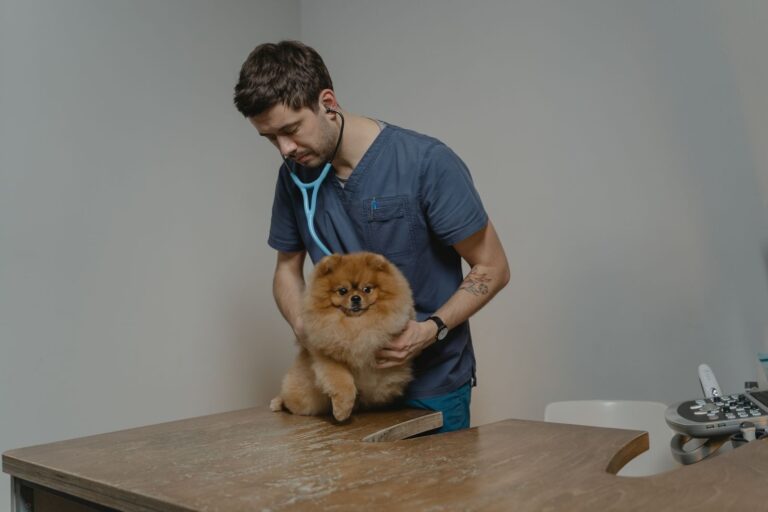
- Consult Your Vet: Before making significant changes to diet, feeding schedule, or introducing new treats, consult your veterinarian. They can provide guidance tailored to your dog’s specific health needs.
- Avoid Toxic Human Foods: Stick to safe options – never give chocolate, grapes, onions, or other known toxic foods.
**Conclusion: A Happier, Healthier Hamilton Dog
Enriching your dog’s mealtime is a simple yet powerful way to improve their overall well-being. By incorporating activities that engage their mind and bodies, you’re providing more than just nutrition; you’re giving them a fulfilling experience that mimics the problem-solving and exploration they’d encounter in the wild or during adventures in Hamilton’s diverse landscapes.
Start small! Choose one or two ideas you can implement consistently. Observe how your dog responds – their engagement, enjoyment, and perhaps even their energy levels afterwards will tell you if these strategies are working. With a little creativity and patience, you can transform mealtime from a routine chore into a rewarding experience for both you and your furry friend in Hamilton.