In this story
Decoding Your Edmonton Dog: A Guide to Understanding Canine Body Language
Living in Edmonton means embracing the great outdoors, and our four-legged friends are often right there with us, exploring the city’s parks, trails, and neighbourhoods. As dog owners, we want to understand our furry companions better, but sometimes their silent language can be confusing. Fear not! Decoding dog body language is a valuable skill that can help you understand your Edmonton dog’s needs, emotions, and intentions, strengthening your bond and ensuring positive interactions in our city’s public spaces like Churchill Park or Stanley Park.
Dogs communicate through a complex system of body language, vocalizations, and scent. While barking and barking are important, much of their communication happens without sound. By learning to read these silent signals, you can respond appropriately to your dog’s needs, prevent misunderstandings, and even help identify potential health or behavioral issues.
Why Edmonton Dog Body Language Matters
Edmonton’s climate, from snowy winters to sunny summers, and the prevalence of public spaces mean your dog’s body language can be influenced by environmental factors. Recognizing stress signals is crucial during walks in busy areas like Whyte Avenue or when visiting popular Edmonton spots like the Edmonton Zoo. Understanding when a dog is happy, anxious, scared, or aggressive helps ensure safe and harmonious interactions in Edmonton’s diverse settings, from dog parks to coffee shops.
The Foundation: Key Areas to Observe
To decipher your dog’s messages, focus on these primary areas:
1. The Tail: The Ultimate Emotion Indicator
The tail is often considered the most expressive part of a dog's body. Its position, movement, and type (from the breed) all play a role.
*   **Relaxed & Happy:** A loosely wagging tail, perhaps in a "flag" (side-to-side wag) or a gentle curl, often indicates contentment. A wagging tail combined with a loose body posture is generally positive.
*   **Excited:** A rapidly wagging tail, possibly accompanied by a tucked bottom, often signals excitement. This is usually a positive form of excitement (like meeting you or playing).
*   **Fear or Anxiety:** A tucked tail (especially if combined with a crouched posture) or a still tail can signal fear or anxiety. The tail might also tremble.
*   **Aggression:** A stiff, raised tail, often with hair standing on end (piloerection), can indicate fear turning to aggression, or feeling dominant. The base of the tail might be tucked while the tip is raised.
*   **Pay Attention:** A stiffly held tail, possibly with a slight curve, indicates the dog is focused or trying to get your attention.
2. The Ears: Listening for Emotion
A dog's ears provide valuable clues about their emotional state.
*   **Relaxed & Unbothered:** Ears are likely to be neutral, perhaps slightly pricked forward but without tension.
*   **Alert/Listening:** Ears might be pricked forward or to the side, focused on a sound or situation.
*   **Fear/Anxiety:** Ears may be pulled back flat against the head, or tucked completely.
*   **Aggression:** Ears might be pulled back flat (especially with a stiff tail) or held forward with a rigid posture.
3. The Ears: Listening for Emotion
A dog's ears provide valuable clues about their emotional state.
*   **Relaxed & Unbothered:** Ears are likely to be neutral, perhaps slightly pricked forward but without tension.
*   **Alert/Listening:** Ears might be pricked forward or to the side, focused on a sound or situation.
*   **Fear/Anxiety:** Ears may be pulled back flat against the head, or tucked completely.
*   **Aggression:** Ears might be pulled back flat (especially with a stiff tail) or held forward with a rigid posture.
4. The Body Posture: Saying ‘Sit’, ‘Leave’, or ‘Attack’
How your dog carries their body speaks volumes.
*   **Relaxed & Happy:** Loose, soft body, possibly with a slightly curled tail. Relaxed facial expression.
*   **Excited/Playful:** An 'airplane' body (belly to the ground) with legs tucked under indicates play invitation or high excitement.
*   **Fear:** Crouching low, tucking the head and neck, stiff-legged stance, tucked paws. This minimizes their appearance to a potential threat.
*   **Aggression:** Stiff, rigid body, raised hackles (piloerection), direct staring, growling. The whole body might seem coiled and tense.
*   **Submissive:** Lowered head, tucked tail, loose body, possibly turning the head or body away.
5. The Eyes and Mouth: Windows to the Soul
The eyes and mouth reveal a lot about a dog's emotional state.
*   **Relaxed & Happy:** Soft, gentle eyes, slow blinking (a sign of trust and relaxation), relaxed lips (smile!). Panting calmly indicates comfort.
*   **Fear:** Averted eyes, wide eyes, lips pulled back (retractable lips showing teeth, but no growl). Whining or whimpering can accompany fear.
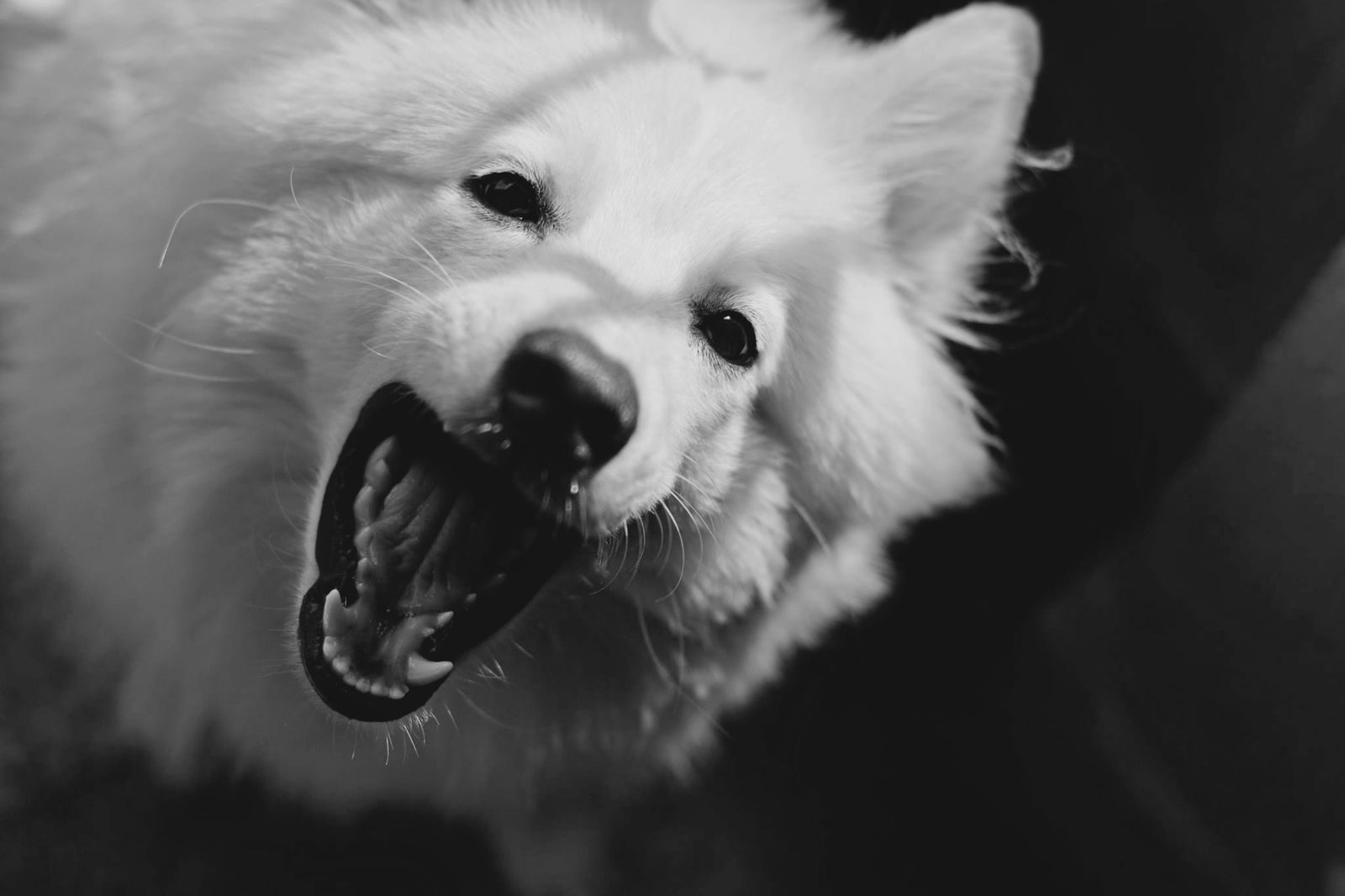
*   **Aggression:** Direct staring, intense focus, lips retracted showing teeth with growling or snarling.
*   **Play:** Staring with a slightly open mouth, sometimes accompanied by play-bowing.
6. The Wholesome Signals: Signs of Friendship and Trust
Positive interactions are often marked by specific behaviors:
*   **Play Bow:** Belly up, front legs tucked, head held low. An invitation to play!
*   **Nose Pokes:** Gently nudging with their nose is often friendly.
*   **Relaxed Contact:** Approaching with a loose, friendly body posture.
Putting It All Together: Context is Key
Remember, context is everything! A wagging tail that is stiff and accompanied by a stiff body posture and growling is not the same as a wagging tail with a loose body during play. Observe the whole dog, the situation, and the other dog or person involved. Is your dog in a stressful environment? Has something changed recently? A tense dog might be more sensitive than usual.
When to Seek Help
While this guide provides a foundation, complex or persistent behavioral issues might require professional help from a certified Edmonton animal behaviorist or a positive reinforcement trainer. They can help you understand specific nuances and develop strategies.
Conclusion: A Better Bond Through Understanding
Understanding your Edmonton dog’s body language is a rewarding skill that enhances your connection and ensures safer experiences for both of you in our beautiful city. By paying attention to these silent signals, you can respond appropriately, build trust, and enjoy a deeper, more harmonious relationship with your furry companion. So next time you’re at Churchill Park or just walking through Edmonton, take a moment to read the signs – your dog will thank you!
Further Reading & Resources:
* Look for local Edmonton events or workshops on dog training and behavior.
* Books by renowned Canadian dog trainers (ensure they promote positive methods).
* Edmonton Animal Services website often has resources.
Related posts:
 Managing Your Edmonton Dog’s Barking: Practical Tips for a Quieter Home
 Decoding Your Edmonton Dog’s Poop: A Guide to Canine Health
 Keep Your Edmonton Dog Calm Through Fireworks Season
 Gentle Paws: Understanding the Needs of Senior Dogs in Edmonton
 Why Positive Reinforcement Training Works Wonders for Edmonton Dogs