In this story

Why Keeping Your Toronto Dog’s Nails Trimmed Matters
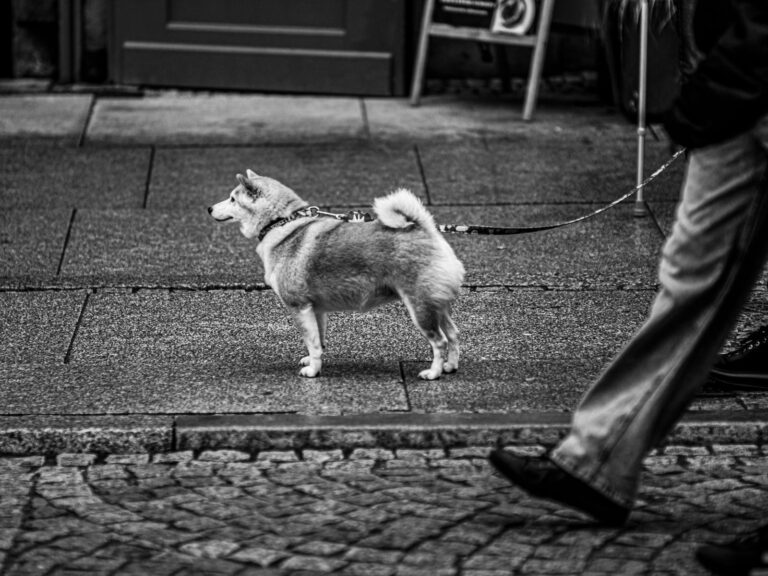
As a proud Toronto pet parent, you know that keeping your furry friend comfortable and safe is paramount, especially as winter settles in. Long nails can cause more than just minor discomfort – they can lead to painful splitting, affect your dog’s posture, and make walking on slick Toronto sidewalks a serious risk. Those extra inches on your dog’s paws can transform a gentle stroll through High Park into a potential slipping hazard, particularly on the ice patches that become common in our colder months. Regular nail maintenance is a simple yet crucial part of your dog’s overall wellness routine, contributing significantly to their mobility and happiness throughout the seasons.
Methods for Keeping Your Dog’s Nails Short: A Safe Approach
Keeping your dog’s nails at a manageable length requires patience and the right technique. There are several methods available, each with its own considerations:
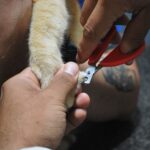
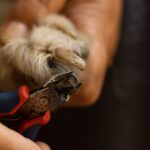
1. Nail Trimming with Clippers
- What You’ll Need: A pair of quality dog nail clippers (scissors or guillotine-style) and a treat.
- How-To:
- Approach your dog calmly and gently. Most dogs prefer having their paws handled when they’re relaxed.
- Identify the quick – the sensitive, blood supply within the nail. In lighter-colored breeds, you can see this pinkish structure. In darker breeds, it’s less visible. Knowing where the quick is essential to avoid cutting it.
- Hold the clipper firmly and make quick, clean snips, cutting straight across (avoid rounding the edges). Aim to leave about 1-2 millimeters above the quick or as needed to prevent catching on pavement.
- Reward calm behaviour generously with treats.
2. Nail Grinders (Dremel-like Tools)
- What You’ll Need: A pet-safe nail grinder or file and treats.
- How-To:
- Similar to clippers, approach calmly and reward treats.
- Position the grinder so the rotating head lightly contacts the nail (aim for just beyond the quick).
- Use short bursts of grinding, turning off the tool frequently to allow your dog to rest and to assess the sound/dust.
- This method often requires more practice but can be less intimidating for dogs sensitive to quick cuts.
3. Professional Grooming
- What You’ll Need: A visit to a professional groomer or vet hospital.
- How-To:
- If you’re unsure about trimming at home, or if your dog has very dark nails (making the quick hard to see), professional grooming is a safe option.
- Toronto Animal Services, for example, offers veterinary care including nail trimming.
- Groomers with experience in nail care can handle your dog confidently and expertly.
Signs Your Dog Needs a Nail Trim
Even if you’re diligent, you might miss the signs that your dog’s nails need attention. Be aware of these indicators:
- Clicking on Hard Surfaces: If your dog makes a clicking sound when walking on tile or hardwood floors, their nails are likely too long.
- Visible Overgrowth: If you can clearly see the nail extending significantly past the paw pad.
- Uneven Gait or Lameness: If your dog seems to favour one or more paws, or walks awkwardly.
- Increased Panting or Anxiety: Especially during nail trimming sessions, which can be stressful for some dogs.
Frequency: How Often Do You Need to Trim?
The ideal frequency depends on your dog’s activity level, breed, and surface they walk on:
- Active Walkers: Dogs that walk frequently on hard surfaces (like sidewalks or pavement) may need trims every 2-4 weeks.
- Less Active or Indoor Dogs: Dogs primarily on carpet or with less outdoor activity might need trims every 4-6 weeks.
- Large or Heavy Breeds: Often grow faster and may require more frequent trims.
Addressing Common Issues
The Nail Bleeds – What to Do
Accidents happen. If you cut the quick and the nail bleeds:
- Stay Calm: Your dog will likely just need reassurance.
- Apply Pressure: Gently press around the base of the nail (away from the wound) to help stop the bleeding.
- Use Styptic Paste: Have a styptic powder or paste (available at pet stores) ready specifically for this. Apply according to the instructions.
- Monitor: If bleeding persists or seems excessive, contact your vet.
Fear or Anxiety Around Nail Caren
Many dogs become fearful if they’ve had a bad experience or if trimming is done when they’re stressed. Building positive associations is key:
- Start Slow: Let your dog sniff and investigate the nail tools.
- Associate Positively: Offer a highly valued treat just for sniffing the tools.
- Short Sessions: Only trim a few nails at a time, rewarding heavily for calm participation.
- Be Gentle: Avoid forcing the issue. If your dog is extremely anxious, it might be best to leave nail care to the professionals for now.
Splitting or Cracked Nails
Long nails are more prone to splitting. If this occurs:
- Trim Carefully: If the split is minor and hasn’t reached the quick, you can carefully trim off the jagged edges with clippers or a file.
- Seek Veterinary Care: If the split is deep, causing bleeding, or if the quick is involved, consult your veterinarian.
Ensuring Comfort on Toronto’s Surfaces
tt’s particularly important in Toronto to keep nails short during the colder months:
- Icy Pavement: Shorter nails reduce the risk of slipping on black ice or treated walkways.
- Snow: Prevents snow from getting caught under overgrown nails.
- Indoor Comfort: Less chance of nails snagging on rugs or furniture.
Conclusion: Prioritizing Your Dog’s Comfort
Keeping your Toronto dog’s nails trimmed is a fundamental aspect of responsible pet ownership. By learning safe trimming techniques, understanding the signs that trims are needed, and establishing a regular routine, you ensure your best friend remains comfortable, mobile, and confident on our city’s varied surfaces. Remember to prioritize your dog’s safety and comfort, and don’t hesitate to seek professional help if you’re unsure. A little maintenance goes a long way in keeping your furry family member happy and healthy through all four Toronto seasons.