In this story
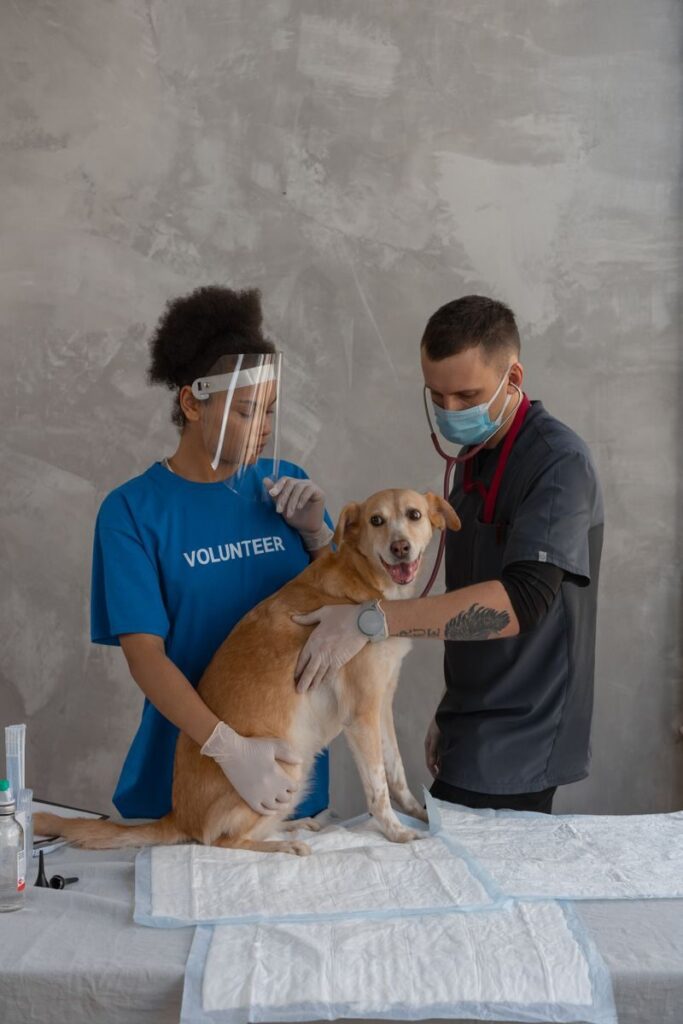
Recognizing When Your Edmonton Dog Needs the Vet: A Guide for Responsible Pet Owners
Owning a dog in Edmonton brings immeasurable joy and companionship. These incredible creatures become part of our families, sharing our lives with warmth and playful energy. As responsible pet owners, we’re always eager to keep our furry friends happy, healthy, and wagging their tails. But sometimes, despite our best efforts, something isn’t right, and knowing the signs that your dog needs to see the vet can be crucial for their wellbeing.
While Edmonton’s mild winters and sunny summers provide a wonderful environment to enjoy outdoor activities with your dog, being aware of potential health issues is part of responsible dog ownership. You might be wondering, “When does my dog’s unusual behaviour or symptoms warrant a trip to the vet?” This guide aims to help you identify those tell-tale signs, empowering you to be a proactive and attentive member of Edmonton’s vibrant dog-owning community.
Remember, this information is not a substitute for professional veterinary advice. If you’re ever in doubt about your dog’s health, it’s always best to consult with a qualified veterinarian promptly.
Common Signs Your Edmonton Dog Needs Veterinary Attention
Being observant about your dog’s daily routine and behaviour is the first line of defense in maintaining their health. Here are some common signs that suggest it’s time for a vet visit:
Changes in Appetite and饮水
- Loss of Appetite: If your usually hungry dog suddenly shows no interest in food, especially if it persists for more than 24 hours, it’s a red flag. This could indicate various issues, from something minor like stomach upset to more serious conditions.
- Increased Appetite: While less common, a dramatic increase in appetite could sometimes signal an underlying health problem, especially if accompanied by other symptoms.
- Drinking More or Less Water: A significant change in water intake can be a key indicator. Excessive thirst (polydipsia) can be linked to diabetes, kidney disease, or Cushing’s disease. Reduced water intake (oligodipsia) might relate to kidney problems or pain.
Alterations in Elimination Habits
- Accidents in the House: Especially if your dog is usually housetrained, indoor accidents can signal issues like house soiling due to pain, neurological problems, or urinary tract issues.
- Straining or Difficulty Urinating: Whining, licking the genital area excessively, or visibly straining without passing much urine could indicate a urinary tract infection, bladder stones, or other serious conditions requiring immediate attention.
- Changes in Bowel Movements: This is a crucial area to monitor. Signs include diarrhea (with or without blood), constipation (straining to defecate without success), increased frequency of bowel movements, or changes in stool consistency or colour.
Behavioural Shifts
- Lethargy and Reduced Activity: If your energetic dog becomes unusually quiet, sleeps more than usual, or shows little interest in play or walks, it’s a cause for concern. This is often one of the most common signs dogs show before a physical issue manifests.
- Increased Aggression or Anxiety: Sudden changes in temperament, increased irritability, or fearfulness can sometimes be linked to pain, illness, or cognitive dysfunction in senior dogs.
- Changes in Social Interaction: If your dog becomes overly clingy, avoids interaction with people or other animals they usually engage with, or shows aggression they haven’t displayed before, it’s worth investigating.
- Altered Sleeping Patterns: Both excessive sleeping and restlessness can be signs of underlying health problems.
Physical Symptoms
- Changes in Body Temperature: Dogs are sensitive to extreme temperatures. Shivering in cold weather (beyond just needing a coat) or excessive panting that isn’t related to exercise or heat could indicate fever or other medical issues. Conversely, excessive lethargy in warm weather might suggest overheating or heatstroke.
- Skin Changes: Notice any new lumps or bumps, changes in skin colour or texture, excessive itching or licking (especially of paws, face, or private areas), redness, rashes, or signs of injury.
- Respiratory Issues: Rapid breathing, panting at rest, coughing (especially persistent or productive cough), sneezing, or laboured breathing warrants a vet visit.
- Eye Problems: Watery, red, or swollen eyes, excessive blinking, sensitivity to light, discharge, or visible changes in the eyes should be checked by a professional.
- Ear Issues: Head shaking, ear scratching, redness, odour, or discharge from the ears can indicate infection or other problems.
- Weight Changes: Unintentional weight loss or gain, especially if significant or rapid, should be evaluated by a vet.
Persistent Symptoms Despite Home Care
Even mild symptoms can be serious if they don’t improve with home care or over-the-counter remedies. If your dog develops symptoms that don’t resolve within a day or two of you providing appropriate care (like rest, hydration, or gentle pain relief if approved by a vet), it’s time to see a professional.
Acute or Severe Symptoms
These symptoms require immediate veterinary attention:
* Seizures or convulsions
* Collapse or sudden weakness
* Difficulty breathing
* Severe vomiting or diarrhea (especially bloody)
* Injuries with significant bleeding, fractures, or deep wounds
* Suspected ingestion of a toxic substance (keep Edmonton pet poison helpline information handy)
* Extreme lethargy or unconsciousness
Edmonton-Specific Considerations
Living in Edmonton means enjoying the great outdoors, from the river valley parks to winter wonderlands. While this is fantastic for our dogs’ physical and mental health, it also means being aware of specific risks:
* Winter Woes: Frostbite on paws or nose, hypothermia, salt/chemical de-icers ingestion, snow blindness (snow naps), or accidents on icy paths.
* Summer Safety: Heatstroke from being left in parked cars or outside without shade/water, dehydration, tick season (brought by milder weather), and potential encounters with wildlife.
* Public Spaces: Being mindful of public parks and ensuring your dog has access to fresh water during walks is crucial in Edmonton’s climate.
When to Call the Vet Urgently
If your dog is showing any of the following severe symptoms, seek emergency veterinary care immediately:
* Collapse or Unconsciousness: This is a medical emergency.
* Severe Pain: Signs include whining constantly, growling when touched, refusing food/water, adopting a ‘祈祷姿势’ (prayer position – tucked legs, head down).
* Difficulty Breathing: Gagging, blue gums, open-mouthed breathing, rapid shallow breaths.
* Seizures: Any seizure lasting more than a couple of minutes, or multiple seizures in a short period.
* Bright Red or Dark Urine: Indicates potential urinary or internal bleeding issues.
* Visible Wounds or Internal Injury: Bleeding excessively, obvious fractures, disorientation after an accident.
Keeping Your Edmonton Dog Healthy: Prevention is Key
While knowing the signs is important, preventing health issues is always the best approach. Consider these Edmonton dog care tips:
* Regular Vet Check-ups: Annual or semi-annual wellness exams can catch issues early.
* Dental Care: Brush your dog’s teeth regularly or provide dental chews to prevent costly and painful dental disease.
* Appropriate Diet and Exercise: Feed a balanced diet suitable for your dog’s age, breed, and activity level. Ensure adequate daily exercise.
* Parasite Prevention: Stick to your flea, tick, and worming schedule recommended by your vet.
* Safe Environment: Keep toxins out of reach, provide adequate shelter from extreme weather, and ensure your dog’s ID tags are up to date.
Resources in Edmonton
- Your Local Veterinary Clinic: Edmonton has several excellent veterinary clinics. Choose one that fits your needs and schedule regular appointments.
- Emergency Veterinary Care: Most clinics offer emergency services or can direct you to 24/7 emergency facilities.
- City of Edmonton Animal Services: While primarily for lost pets and enforcement, they can sometimes offer resources or information.
- Edmonton SPCA: Offers resources and support for pet owners.
Being a good Edmonton dog owner means being attentive to your furry companion’s needs. By familiarizing yourself with the signs that indicate your dog needs the vet, you can help ensure they receive prompt and appropriate care when they need it most. Remember, in Edmonton’s beautiful but sometimes challenging environment, vigilance and preparedness are key to keeping your best friend healthy and happy for years to come.
What are your experiences with recognizing when your dog needs vet care? Share your thoughts in the comments below!