In this story
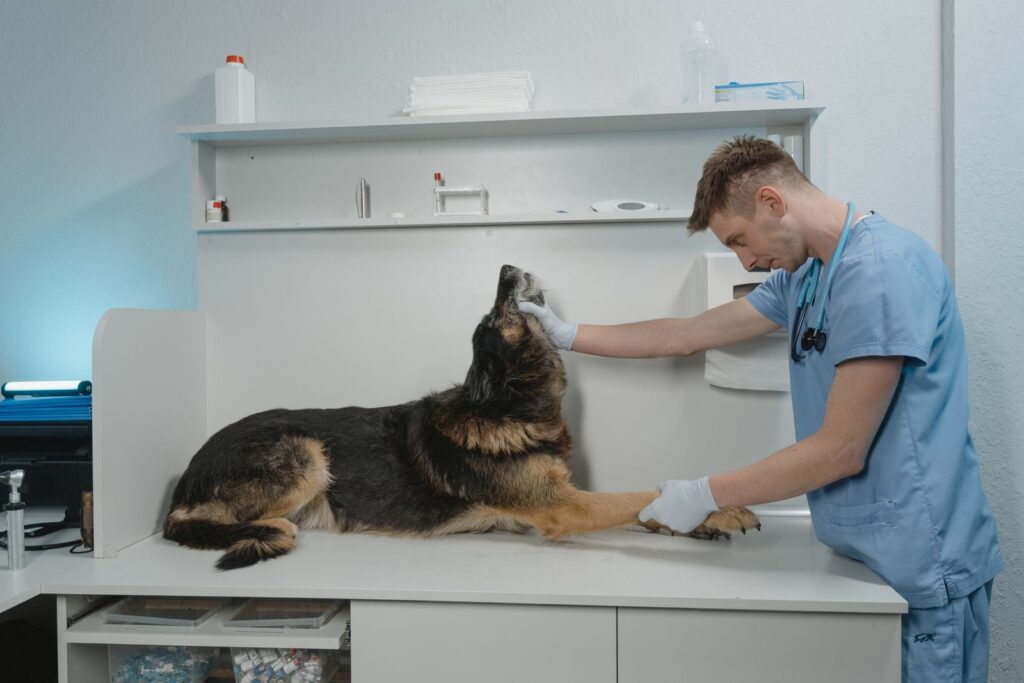
Know When Your Dog Needs the Vet: Signs to Watch For in Toronto
As a proud dog owner in Toronto, you’re likely tuned into your furry friend’s personality and habits. That’s half the battle in keeping them healthy! But sometimes, dogs mask pain or illness, making it crucial for us to be vigilant for subtle changes. Knowing the signs that indicate your dog needs to see the vet can make all the difference, potentially preventing a small issue from becoming a bigger problem. This guide focuses on practical, everyday indicators to watch for in the unique environment of Toronto.
Beyond the Basic: Recognizing When Veterinary Care is Essential
While regular check-ups are important, acute changes in your dog’s behavior or condition often signal something’s not right. Think of it like this: if your best friend (your dog!) suddenly seemed off, you’d probably want to know why. The same principle applies here. Being observant about your dog’s daily routine and demeanor is your best tool.
Behavioral Shifts: The Early Warning System
Dogs often show subtle signs before a more overt problem appears. Keep an eye out for these changes:
- Altered Mood: Notice if your dog seems unusually anxious, fearful, withdrawn, or aggressive when they weren’t previously. This could indicate pain, illness, or even cognitive decline in older dogs.
- Changes in Sleep Habits: Both increased lethargy and restlessness can be telling. If your usually active dog seems excessively sleepy, or if they’re having trouble sleeping through the night, it’s time to investigate.
- House Soiling: A previously trained dog suddenly having accidents indoors can be frustrating and a clear sign of an issue. This could stem from various causes, including pain, anxiety, or age-related incontinence.
- Social Withdrawal: If your dog loses interest in activities they once loved, or avoids interaction with people and other dogs, it might be due to discomfort or illness.
- Separation Anxiety Worsening: If anxiety when you leave them alone escalates, it could be linked to an underlying physical issue.
Appetite and Hydration: Simple but Crucial Indicators
Eating and drinking are fundamental signs of wellness:
- Loss of Appetite: A sudden decrease in interest in food, especially if they refuse food they usually enjoy, warrants a vet visit. Even a short period without eating can be concerning.
- Increased Appetite: While seemingly positive, a significant increase might indicate endocrine issues or other health problems.
- Excessive Thirst: If your dog is drinking much more than usual, it could point to diabetes, kidney disease, Cushing’s, or other serious conditions.
- Inability to Drink: Refusing water is a serious red flag and requires immediate veterinary attention, as dehydration can set in quickly.
Energy Levels and Activity Changes
A dog’s energy levels are a direct reflection of their internal state:
- Lethargy: If your usually boisterous dog seems tired, weak, or unwilling to move, it’s a significant concern. This could range from a simple infection to something more serious.
- Increased Panting: While dogs pant to cool down, excessive panting (especially indoors or when not overly hot) can indicate pain, anxiety, heatstroke, or respiratory issues. Consider the weather and your dog’s usual habits.
- Vomiting or Diarrhea: These are common but don’t always mean something minor. Worry if these symptoms are persistent (lasting more than 24-48 hours), bloody, contain unusual substances, or are accompanied by other signs like lethargy or dehydration.
- Toronto-specific Tip: Remember that parks like High Park or Kew-Boston might have unique environmental factors (like certain plants or fallen fruit) that could potentially cause gastrointestinal upset if ingested.
Signs of Pain or Discomfort
Dogs often hide pain, but several outward signs can betray discomfort:
- Lameness or Reluctance to Move: If a leg is held stiffly, they avoid jumping onto furniture, or they seem unwilling to walk or run, it could indicate injury or arthritis.
- Aggressive Behavior: Growling, snapping, or biting at their own paws or belly could be attempts to alleviate pain or discomfort.
- Excessive Grooming: Over-licking or chewing specific areas (like paws, face, or private areas) can signal pain, allergies, anxiety, or infection.
- Changes in Vocalization: Increased whining, howling, or whimpering, especially in situations with no obvious trigger, can indicate pain or distress.
- Irritability: If your dog seems more irritable than usual, snaps at toys, or seems generally cranky, they might be in discomfort.
Physical Changes That Warrant Attention
Sometimes the obvious physical signs are the most telling:
- Visible Lumps or Bumps: Any new mass should be checked by a vet. While many are benign, some can be malignant or indicate infection/injury.
- Changes in Urination or Defecation: Difficulty urinating, frequent attempts without success, blood in the urine, accidents indoors (in an older dog), or changes in stool frequency, consistency, or color (especially black/tarry or bloody) need vet evaluation.
- Changes in Weight: Unexplained weight loss or gain, especially rapid weight loss, can indicate serious underlying issues like organ disease or cancer.
- Red, Itchy Skin or Hair Loss: Allergies, parasites (fleas, ticks, mites), infections, or hormonal issues can cause skin problems. Check for hot spots, flea bites, or patches of missing fur.
- Red or Watery Eyes: Excessive tearing, pawing at the face, redness, swelling, or discharge can indicate eye infections, allergies, injury, or foreign bodies.
- Bad Breath: Persistent bad breath, especially if yellowish or foul-smelling, can indicate dental disease, which is common in dogs and can lead to more serious health issues. Don’t ignore this, especially when visiting places like the Toronto Dog Hospital for routine care.
- Abnormal Breathing: Labored breathing, rapid breathing, or coughing, especially at rest or indoors, should be checked out immediately. This could be due to allergies, infections, heart problems, or respiratory issues common in certain breeds.
When to Seek Immediate Veterinary Care
Some situations require urgent attention. Think of these as your dog’s version of calling 911:
- Collapse or Inability to Stand: This is a medical emergency.
- Severe Bleeding: Apply pressure and seek help immediately.
- Difficulty Breathing: Any significant respiratory distress needs urgent care.
- Seizures or Tremors: Especially if unprovoked or prolonged.
- Trauma: After an accident or fall, even if they seem okay initially.
- Choking: If you see your dog unable to bark or breathe, perform the Heimlich maneuver if you know how and call emergency services.
- Eating Something Obvious: Rods, batteries, garbage, large objects – call the ASPCA Poison Control (in Canada, consult your vet or local emergency services for guidance) or bring them to a clinic.
- Biting: Any unprovoked biting can indicate severe pain or neurological issues.
Conclusion: Being the Savvy Toronto Dog Owner
Your dog’s health is an investment, and being a vigilant observer is the best return on that investment. By knowing the subtle and overt signs that indicate your dog needs to see the vet, you’re taking a crucial step in ensuring they live a happy, healthy life in Toronto. Remember, it’s not about constant worry, but about responsible ownership – knowing when to act swiftly for your best friend’s well-being. Stay observant, stay informed, and enjoy every bark in the beautiful city of Toronto!
Related posts:
 When to Take Your Winnipeg Dog to the Vet: Recognizing the Signs
 Signs Your Dog Needs the Vet: A Guide for Ottawa Pet Owners
 When to Call the Vet: Signs Your Brampton Dog Needs Help
 When to Take Your Dog to the Vet: Signs You Shouldn’t Ignore in Mississauga
 Brampton Dog Owners: Decoding Your Pooch’s Poop for Better Health