In this story
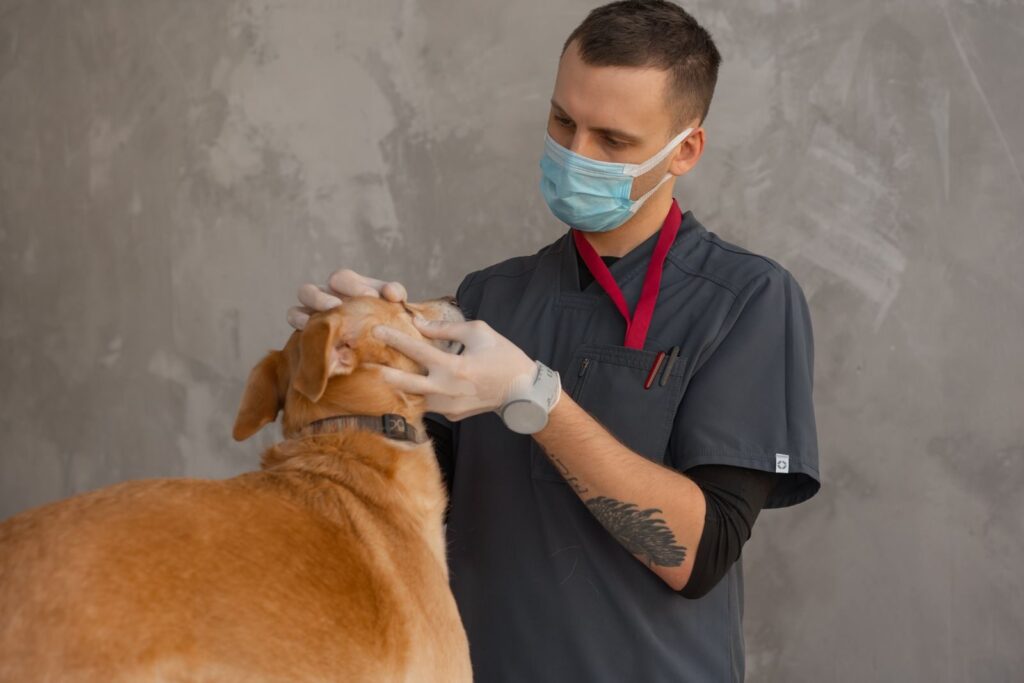
When to Take Your Brampton Dog to the Vet: Recognizing the Signs
As a proud dog owner in Brampton, you’re likely tuned into your furry companion’s daily routine. That’s why you probably notice when something feels “off” with your dog. Recognizing the subtle (and sometimes obvious) signs that your dog needs to see the vet is crucial for maintaining their health and happiness in our wonderful community.
While every dog is an individual with their own personality, certain behaviours and physical changes can serve as red flags. Ignoring these signs can sometimes lead to more serious health issues down the line. This guide focuses on common indicators that it’s time to book that vet appointment, helping you be a more attentive and prepared dog owner right here in Brampton.
More Than Just a Bad Day: Behavioral Changes
Your dog’s behaviour is often the first thing you notice when something isn’t right. A sudden shift from their usual playful self to a withdrawn or lethargic state can be a significant indicator. Keep an eye out for:
Lethargy and Decreased Energy
If your usually energetic dog seems unusually tired, sleeps more than usual, or has little interest in activities they once loved, it’s time to investigate. This could range from something minor like a temporary illness to more serious underlying conditions. In Brampton’s active community, ensuring your dog maintains their vitality is important.
Changes in Appetite
Whether your dog suddenly has no interest in food, is vomiting after eating, or is drinking excessively or unusually little, these are all warning signs. Changes in appetite can be linked to various health issues, from digestive problems to metabolic disorders.
Increased Anxiety or Aggression
While dogs can have their moments of stress, a noticeable increase in anxiety, fearfulness, or aggression could signal pain, illness, or even cognitive decline in senior dogs. Creating a calm environment and seeking professional advice is recommended if you observe these changes.
Excessive Panting or Shivering
Panting is normal for dogs when they’re hot or excited, but persistent or excessive panting, especially indoors or when calm, can indicate pain, anxiety, heatstroke, or respiratory issues. Similarly, shivering isn’t just for cold days; it can also be a sign of pain, fear, or illness.
Physical Signs Your Brampton Dog Needs Vet Attention
Beyond behaviour, physical symptoms should never be ignored. These are often clearer indicators that something is amiss:
Vomiting or Diarrhea
While an occasional bout of vomiting or diarrhea can be blamed on something they ate (perhaps from playing in the backyard or a neighbour’s garden in Brampton), persistent or severe cases require veterinary attention. Look for changes in colour, consistency, or frequency, and especially if blood is present.
Changes in Urination or Defecation Habits
Difficulty urinating, frequent attempts with little success, or accidents in the house can signal urinary tract issues or pain. Changes in stool frequency, consistency (diarrhea or constipation), or presence of blood in the stool warrant a vet visit.
Lameness or Pain
If your dog is favouring a leg, limping, yelping in pain, or seems uncomfortable when touched, they are likely in pain and need a check-up. Arthritis becomes more common with age, especially in our local Brampton dogs, making regular vet assessments important.
Skin Issues
Bumps, lumps, rashes, excessive itching, hair loss, or redness on the skin should be examined by a vet. These can range from simple infections or allergies to more serious conditions like parasites or even cancer.
Bad Breath
Persistent bad breath, especially if it’s yellowish or foul-smelling, can be a sign of dental disease, which is common in older dogs and can lead to more serious health problems if left untreated. Regular dental care in Brampton is crucial.
Weight Changes
Unintentional weight loss or gain can be a significant red flag. Sudden weight loss, in particular, often indicates an underlying medical issue that requires diagnosis and treatment.
Other Crucial Signs Requiring Veterinary Care
Difficulty Breathing
Rapid, laboured, or noisy breathing, especially at rest or in cooler weather, should never be ignored. This can indicate respiratory issues, heart problems, or severe distress.
Deafness or Vision Problems
Sudden or progressive hearing or vision loss in your dog warrants a vet visit, as it could be due to injury, disease, or age-related changes.
Old Age Changes
As dogs age, particularly those over seven years old, they become more susceptible to chronic conditions like kidney disease, liver problems, thyroid issues, and diabetes. Regular wellness checks become even more vital in Brampton’s climate, helping catch age-related decline early.
Overheating
Braving the hot summer days in Brampton requires knowing the signs of heatstroke, which include excessive panting, drooling, weakness, and bright red gums. Heatstroke is a life-threatening emergency.
When in Doubt, Seek Professional Advice
It’s important to remember that this list isn’t exhaustive, and every dog is different. Your knowledge of your dog’s normal state is your best tool. If you’re unsure whether a symptom warrants a vet visit, it’s always better to err on the side of caution.
Our Brampton community offers excellent veterinary care options, ensuring your dog receives the attention they need. Don’t wait for a problem to escalate before seeking help.
Conclusion: Being the Savvy Brampton Dog Owner
Taking proactive steps to monitor your dog’s health is one of the best investments you can make as a pet parent. By staying attuned to your dog’s behaviour and physical condition, you can catch potential health issues early. As a responsible member of the Brampton community, ensuring your dog receives timely veterinary care is essential for their well-being. Regular check-ups and observing these signs will help keep your best friend happy and healthy for years to come.
Related posts:
 Signs Your Dog Needs the Vet: A Guide for Ottawa Pet Owners
 Keep Your Dog’s Nails Trimmed Safely in Brampton
 Keep Your Brampton Pooch Tick-Free & Flea-Free Naturally
 Brampton Dog Owners: Decoding Your Pooch’s Poop for Better Health
 Gentle Walks and Warm Beds: Why Senior Dogs Need Special Care in Brampton