In this story
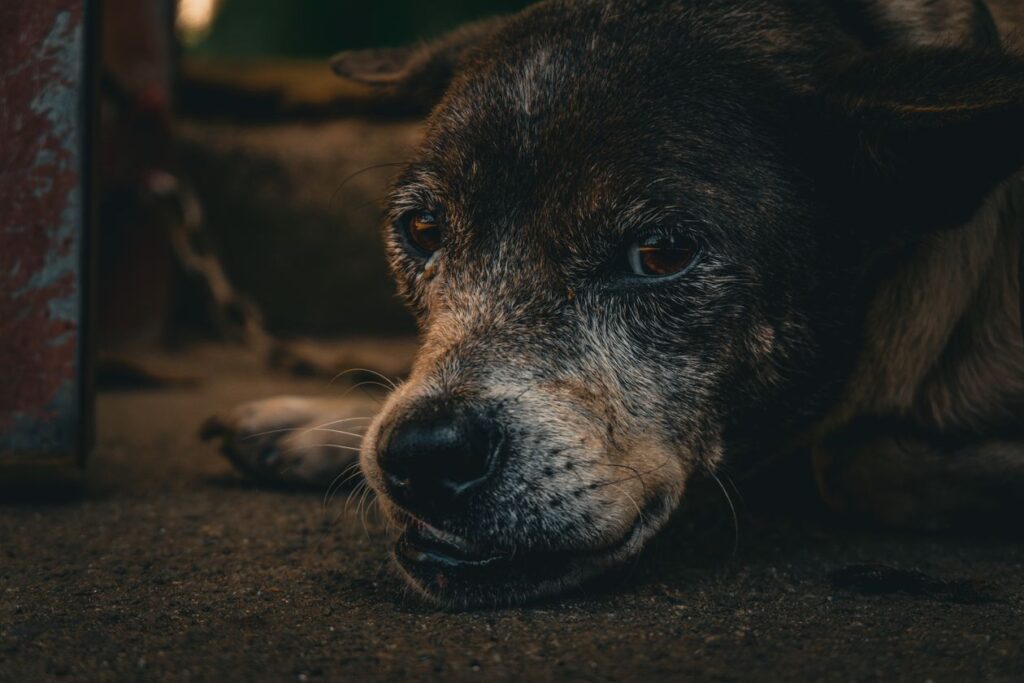
A senior dog changes the pace of life in Montréal, not the pleasure of it. The walks get shorter and slower, the summit gives way to the flat loop around Beaver Lake, and the terrasse visits come with a cushion for old bones. In exchange, you get the best version of the city for a grey muzzle: flat canal paths, shady neighbourhood parks and a dog who would rather sniff one good corner than drag you across the Plateau.
What does change is the checklist: vet visits get more frequent, and winter becomes a season you manage rather than endure. Here is the Montréal version, in order: the licence, the vet, comfort at home, the gentle outings, and the seasons.

The paperwork: a licence for an older dog
Age does not retire the paperwork. Every Montréal dog needs a licence, renewed every year, and it costs $31.80 whether your dog is two or twelve — there is no senior discount, though guide and service dogs are licensed free. Renew before the expiry date: a late renewal adds $11.60. The tag itself is issued for life, is not replaced at renewal, and must be worn at all times. Apply or renew online through montreal.ca or in person at an Accès Montréal office.
One requirement deserves a senior-specific note: dogs over six months old normally need proof of microchipping and of spaying or neutering on file, but the city recognizes exceptions where a procedure is contraindicated or delayed because of the dog’s age. If your older dog was never microchipped, raise it with your vet — there may be a documented exception, and it is a shorter conversation now than at renewal time.
Vet care in the senior years
Most vets suggest moving to checkups about twice a year once a dog is a senior, because the things that change with age are easier to help when they are caught early. In general terms, the senior watch list includes stiff or arthritic joints, dental disease, weight creeping up or sliding off, heart and kidney changes, new lumps, cloudier eyes and duller hearing, and shifts in sleep or behaviour that can point to cognitive change. Blood work becomes a more regular part of the visit, and notes help: appetite, drinking, stairs, sleep, anything that has shifted. All of it is general information, not a diagnosis — check with your vet for what applies to your own dog, and ask what cadence they recommend.
Then save the emergency address before you need it. CENTREDMVET’s Montréal hospital, at 2300 54e Avenue in Lachine, is open 24 hours a day, seven days a week, and takes emergencies as walk-ins. Older dogs are the ones most likely to need it at an odd hour, and 2 a.m. is no time to be searching.
Mobility and comfort at home
Senior comfort is mostly small engineering. A ramp for the car and the couch ends the jumping that old joints complain about. Runners and mats on hardwood or tile give footing where legs used to scramble. A supportive bed in a warm, draft-free corner, raised food and water bowls, and keeping nails short — long nails change how a dog stands and walks — all add up. A harness spreads support better than a collar for a dog who needs a steadying hand on stairs.
Montréal adds a winter chapter to the same list. Booties or paw wax give traction on icy sidewalks and keep road salt off aging pads; a cleared, sanded path to the yard beats a skating rink; and several short outings replace the one long march on bitter days. Indoors, keep de-icing products and antifreeze well out of reach, as you would with a puppy.
Getting out around Montréal
The Lachine Canal path is the senior dog’s best friend in this city: flat, paved and running for kilometres along the water, with benches for the pauses that are now the point. Dogs walk it on leash, and an out-and-back lets you turn around the moment your dog has had enough. On Mount Royal, skip the summit climb and take the gentler route around Beaver Lake, where the ground is kinder and the squirrels provide supervised entertainment. Montréal’s 65-plus dog parks still have a place — go at quiet hours, and let your senior watch the scrum from the fence if that is now the speed they prefer.
For exercise that is kind to joints, Yoda’s Splash at Doggieville MTL runs a private indoor pool for dogs — heated, UV-filtered and open seven days a week — where owners can swim with their dogs. Its hydrotherapy page lists senior dogs and dogs with arthritis among those the pool suits best, since swimming works the whole body without loading the joints. Private sessions are listed from $60 for 30 minutes with no vet referral needed; check current pricing when you book.
A senior through a Montréal year
Winter is still the headline. January averages around −9°C and cold snaps go far lower, and older dogs feel the cold sooner and recover from a chill more slowly. Keep outings short in a snap, use a coat for short-haired and lean seniors, and rinse or wipe feet after every walk — sidewalk salt irritates paws at any age. Summer flips the problem: July heat and humidity are hard on older hearts and lungs, so walk early and late, carry water, rest in shade, and never leave a dog in a parked car. Spring thaw and autumn rain each bring a mud season; a towel by the door remains the hardest-working item in the house.
Good to know before you go
File away the numbers: licence $31.80 a year, renewed annually, tag worn for life; in public, a leash no longer than 1.85 metres, and a harness or head halter for dogs of 20 kg or more; up to three dogs per household. Renting with a senior dog? Québec leases can prohibit animals, and while no-pet clauses have been challenged in recent tribunal decisions, the law is still in flux — check the current situation and get pet permission in writing before you sign. Keep your vet’s number and the CENTREDMVET address on the fridge, next to the licence renewal date.
The senior years in Montréal are measured in slow canal walks, sunny terrasse corners and one very good nap after another. Sort the licence and the vet cadence early, manage the winter, and the rest is the good part. For more ways to get out together, explore our other Montréal guides on Canada Mutts.