In this story
Bringing home a puppy in Edmonton means settling a very small dog into a very big-sky city: a river valley full of trails and wildlife, winters that mean business, and more off-leash space than a puppy can use. Edmonton’s licence deadline is more relaxed than some cities’, but the vet visits, classes and cold-weather routines all start in week one.
This guide covers the Edmonton order of operations: the licence and when it actually comes due, the first vet visit and your after-hours backup, settling in at home, safe socialization around the city, and the river valley and winter hazards to know before your first walk.
Licence: due at six months, renewed every year
Edmonton gives you a little breathing room. Under the City’s Animal Care and Control Bylaw — a renewed bylaw, No. 21244, took effect May 19, 2026 — every dog over six months of age must be licensed, even indoor dogs, and the licence is renewed every 12 months. The annual fee is $38 for a spayed or neutered dog and $78 for an intact one, with a $19 rate for seniors and people on income assistance licensing an altered dog; guide and service dogs are licensed free. Apply online, in person at the Animal Care & Control Centre, or by mail. Skipping it is expensive — the fine for not having a valid licence is $250 — and households are limited to three dogs.
The first vet visit — and the 2 a.m. backup
Book a regular veterinarian near home in your first week or two, even if your puppy seems perfectly healthy, and bring the vaccination and deworming records that came from the breeder, rescue or shelter. That first appointment sets the pattern: a nose-to-tail check, a booster schedule, and a conversation about microchipping and spay or neuter timing.
In general terms, puppies get a series of core vaccine boosters spaced through their first few months, with rabies vaccination in the mix, because the protection from their mother fades on its own schedule. Until your vet says the series is far enough along, take extra care where lots of unknown dogs gather — and check with your vet about exactly what your puppy is due for and when.
For after-hours trouble, know your hospital before you need it. VCA Canada Guardian Veterinary Centre at 5620 99 Street is open 24 hours, every day of the year, at 780-436-5880; walk-ins are welcome; call ahead if you can. On the west side, Boreal Veterinary Centre on 164 Street also runs a 24-hour emergency department. Puppies eat socks, chew sticks into splinters and fall off things — save both numbers in your phone tonight.
The first weeks at home
Routine is the whole game: out after every meal, nap and play session, praise like your puppy just won the lottery, and expect accidents anyway. A crate or pen gives the puppy a den and gives you a safe place for the long naps puppies need. Puppy-proof at floor level — cords up, shoes away, anything swallowable out of reach.
An Edmonton winter puppy adds one twist: housetraining at −30°C. Keep trips short and frequent, shovel a small patch down to the grass, and have a coat ready for small or short-coated breeds. When you come in, check paws for ice balls between the toes and wipe off road salt. Short, boring, frequent — that’s winter housetraining, and it works.
Socialization around Edmonton
The first three to four months are the big window: puppies are wired to file new sights, sounds, people and places under “normal,” and experiences banked now pay off for life. Socialization is not the busiest dog park on day one — it’s short, positive exposures at your puppy’s pace: different people, traffic sounds, car rides, gentle handling of paws and ears.
A good puppy class packages a lot of that safely. The Edmonton Humane Society runs Puppy Pop-in drop-in classes where puppies meet other puppies and people in a monitored setting, and Puppy Basics, a six-week course covering sit, down, come, stay, loose-leash walking and recall. The Society asks for at least two sets of vaccines before puppy classes.
Edmonton has more than 60 designated off-leash areas for later. Dogs may only be loose on your own property or in one of those areas — everywhere else is leash territory, and the fine for a loose dog is $100. Once your vet is happy with your puppy’s vaccine coverage, start at quiet times in smaller fenced areas and keep it brief; the big river valley parks can wait until recall means something.
River valley, wildlife and winter: the Edmonton hazards
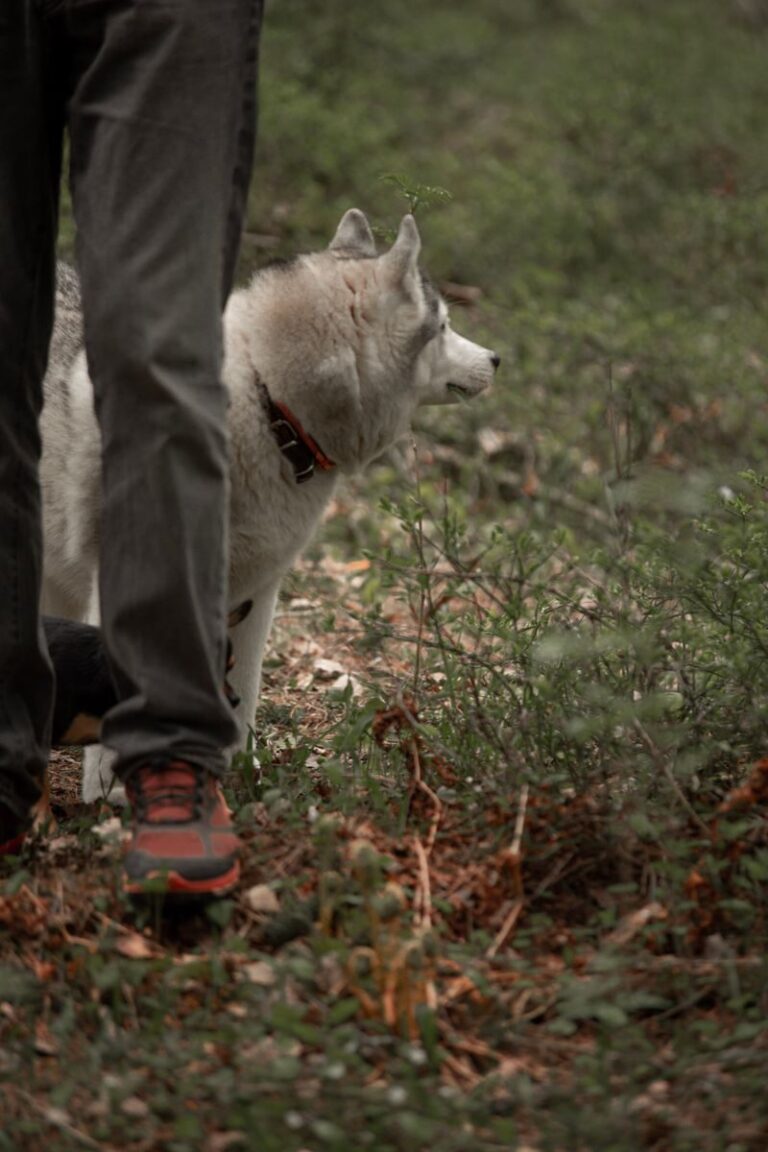
Edmonton’s river valley is the city’s glory and its main puppy hazard. The City’s Park Rangers note the valley is home to many urban coyotes: be extra careful from January to March (mating season) and April through early June (denning season), when coyotes are most protective — and keep your dog leashed even in off-leash areas then. There are porcupines in the valley too, which is a vet visit no puppy forgets. Keep your puppy close, skip any trailhead with coyote warning signs posted, and never let a small puppy roam a ravine-edge yard unsupervised.
Winter itself is the other hazard. Edmonton cold snaps are long and deep, so shorten outings when the temperature craters, watch for paw-lifting and shivering, and keep puppies off the North Saskatchewan River ice. In summer the risks flip: shade, water and common sense on hot days, and never a puppy left in a parked car.
Good to know before you go
The fridge-door version: licence at six months old ($38 to $78 a year, renewed annually), tag on. Vet visit in the first two weeks, boosters on your vet’s schedule, and the Guardian and Boreal numbers saved in your phone. Classes booked early, with two sets of vaccines done first. Leash on everywhere except your property and designated off-leash areas. In coyote season, keep a short leash and a close puppy in the river valley.
Sort those basics and Edmonton is a fantastic city to raise a dog — a river valley made for walking, dozens of off-leash areas and four real seasons to grow up in. Explore our other Edmonton guides on Canada Mutts for dog parks, trails, daycares and more once your puppy is ready to roam.