In this story
Apartment life in Hamilton is more common than the city’s steel-town image suggests: about 16 percent of Hamilton homes are in buildings of five storeys or more, and a third of households rent. Downtown and Durand are full of condo towers and converted walk-ups. A dog that thrives here is quiet in the hallway, calm in the elevator, happy with two or three short walks a day, and unbothered by neighbours on the other side of a thin wall.
That rules out the big, vocal, high-energy breeds — and it is good news for the small and medium dogs that were practically designed for apartment living. The six breeds below fit Hamilton apartments on size, noise and exercise needs, with a Hamilton angle for each.
French Bulldog
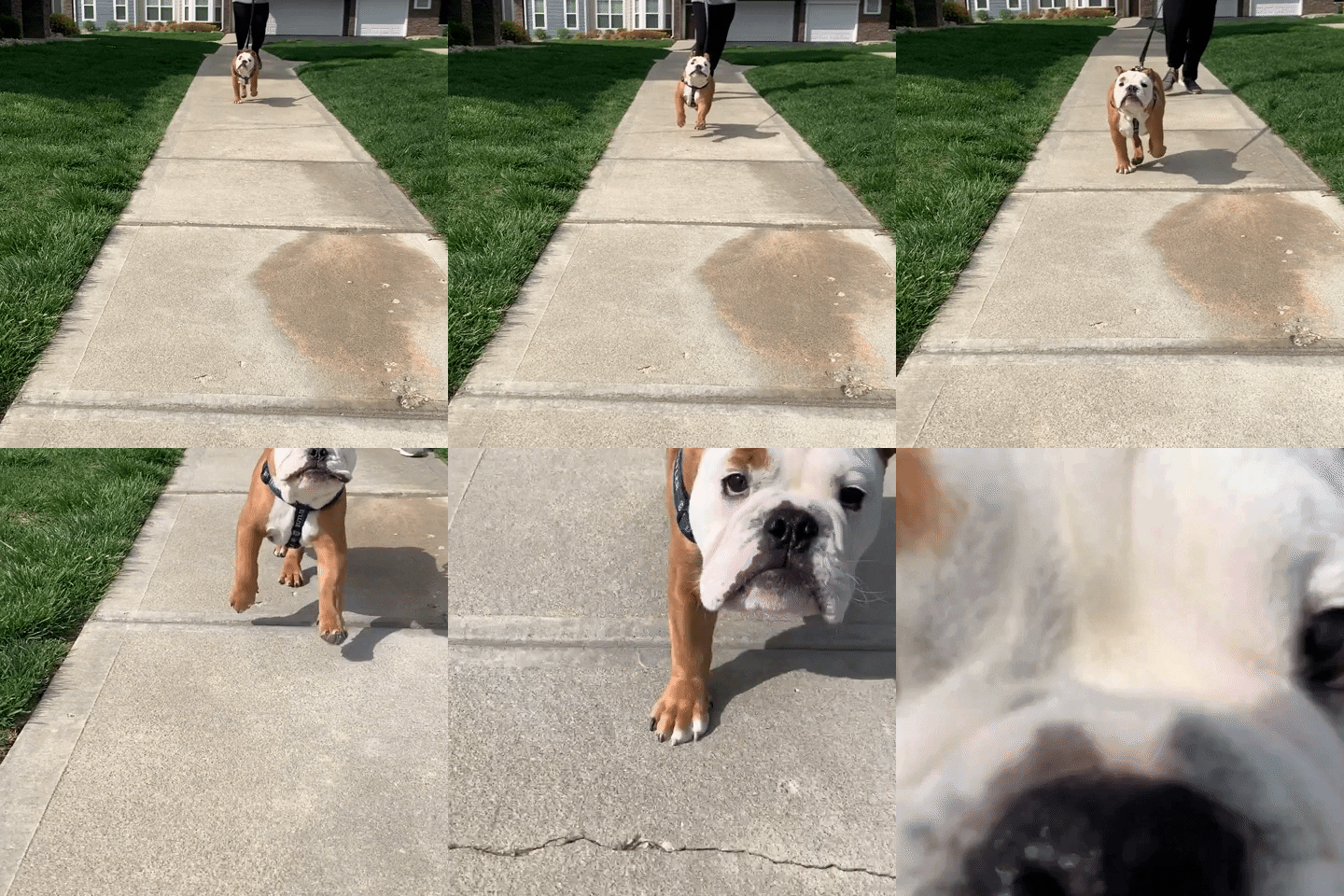
The Frenchie is the classic apartment dog, and Hamilton’s downtown towers are full of them. Small, sturdy and famously low-energy, a French Bulldog is content with a couple of short walks and a long nap, and it rarely barks — a real asset when the neighbour’s bedroom shares your wall.
Frenchies overheat easily, so skip the midday walk on hot, humid July afternoons. And in winter, a Frenchie’s short coat needs a jacket on the coldest days — January averages around −4.7°C here, and a thin-coated dog feels it on the walk to the park.
Cavalier King Charles Spaniel
If a breed was built for a one-bedroom apartment, it is the Cavalier. Gentle, affectionate and small enough to curl up on a lap, Cavaliers are quiet by nature and adapt to whatever energy level their owner has — a walk around the block, then back to the couch. They are also famously good with strangers.
Cavaliers do need company: they were bred as lap dogs and can get anxious if left alone all day. If you work long hours away from the apartment, plan for a midday dog walker. They also shed, so a quick brush a few times a week keeps the couch under control.
Shih Tzu
The Shih Tzu is a small, sturdy apartment companion with a calm streak that suits shared walls. Bred as a house dog, it is happy indoors, needs only moderate exercise, and is generally quiet — it will alert you to a knock at the door but is not a chronic barker. Its long coat looks high-maintenance, but a short “puppy cut” makes grooming simple.
In Hamilton, the Shih Tzu’s size is a practical advantage: it is light to carry up the stairs if the elevator is out. Winter is the one season to plan for — snowballs collect in a long coat, so keep the coat short from November to March and wipe paws after walks, since road salt irritates small paws fast.
Bichon Frise
Cheerful, small and famously low-shedding, the Bichon Frise is a strong apartment pick for allergy-conscious households. Bichons are playful without being hyper, happy with a daily walk and a game indoors, and they tend to be friendly with everyone they meet in the lobby.
The trade-off is grooming: the white curly coat needs regular brushing and a professional trim every month or so, or it mats. Bichons also dislike being left alone for long stretches, so they suit owners who are home most of the day.
Greyhound
The surprise entry, and the one experienced apartment owners swear by. Retired racing Greyhounds are famously lazy: despite their sprinting reputation, they sleep most of the day, are quiet indoors, and need only a couple of short walks plus a weekly chance to run. They are medium-large, but they fold themselves into small spaces and are gentle, clean and low-odour.
The catch is the off-leash rule: a Greyhound’s prey drive and sprint speed mean it should never be off leash outside a fence. Hamilton’s fenced dog parks — Hill Street, Central Park and the Rail Trail enclosure — are the places to let one run. On the leash, a Greyhound is calm and polite, and its thin coat just needs a warm jacket in January.
Whippet
The Greyhound’s smaller cousin, and even better suited to an apartment. Whippets weigh about half as much, take up barely any room on the couch, and are famously quiet — they rarely bark at all, which neighbours notice and appreciate. Like Greyhounds, they are sprinters who sleep: a good run in a fenced park, then hours of napping under a blanket.
Whippets are thin-coated and feel the cold, so a Hamilton winter means a proper dog coat and booties on the coldest days, plus shorter outings when the wind comes off the lake. They are sensitive souls that do best with gentle handling and a predictable routine.
Good to know before you go
Hamilton’s Responsible Animal Ownership By-law No. 12-031 sets the ground rules: every dog must be licensed before it is three months old, the licence is renewed every year, and the tag stays on the collar. Dogs must be leashed in public — the by-law caps leashes at 2.4 metres — and urban households are limited to four domestic animals. Dogs over three months old must also have a current rabies vaccine.
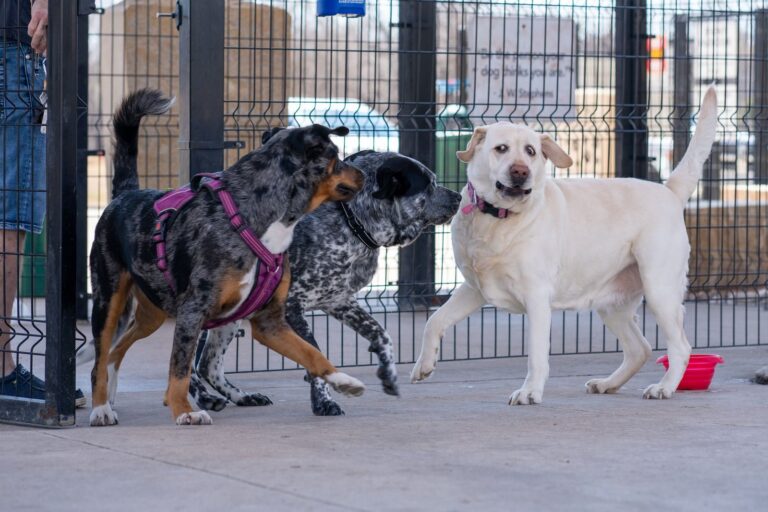
In Ontario, a landlord cannot enforce a blanket “no pets” clause in a standard lease — but condominiums and apartment buildings can have their own pet restrictions, and those do apply. Read the building’s rules before you sign, and ask about size limits: some Hamilton buildings cap dogs by weight, and a few allow only one dog per unit. Ontario’s Dog Owners’ Liability Act also bans pit bulls. Hamilton’s fenced dog parks — Hill Street, Central Park, the Rail Trail enclosure and Heritage Green — are the apartment dog’s backyard.
Whichever breed you choose, meet a few adult dogs of that breed first, check the building’s pet rules in writing, and sort out licensing with Hamilton Animal Services before your new dog comes home. For more ways to get out together, explore the rest of our Hamilton guides on Canada Mutts.