In this story
Why Ear Cleaning Matters in Hamilton’s Climate
Keeping your dog’s ears clean isn’t just about preventing bad odors. In Hamilton’s sometimes damp climate, it’s essential for preventing infections and discomfort. Regular cleaning helps remove excess wax, dirt, and debris, allowing you to catch potential problems early. A healthy ear canal is vital for your dog’s overall well-being, ensuring they stay comfortable whether they’re enjoying the St. Lawrence Market buzz or relaxing at home.
Understanding Dog Ear Anatomy
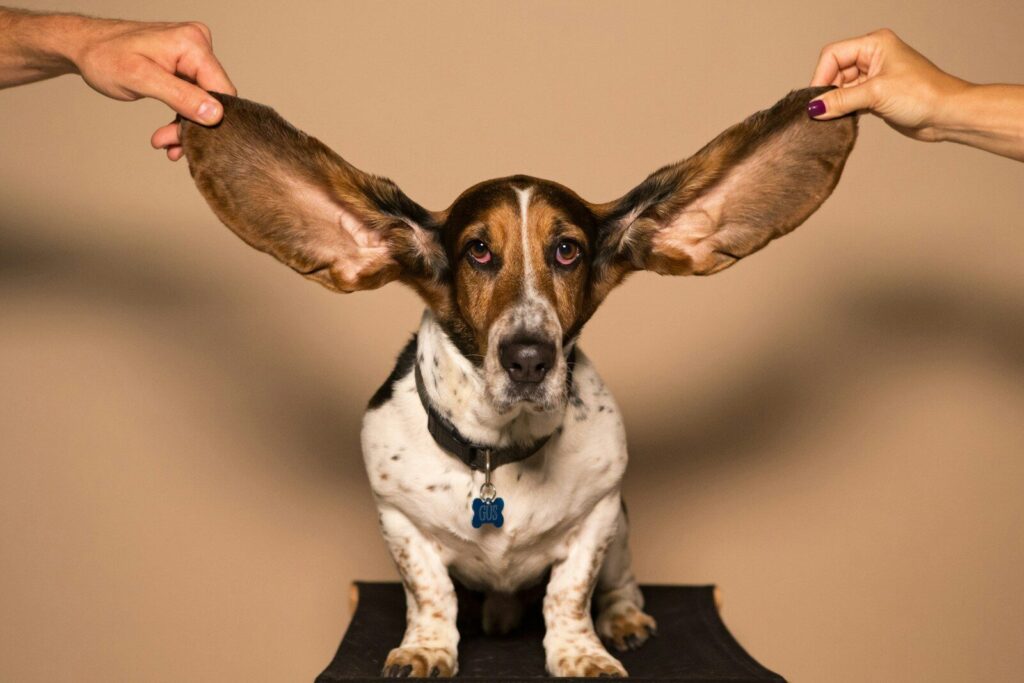
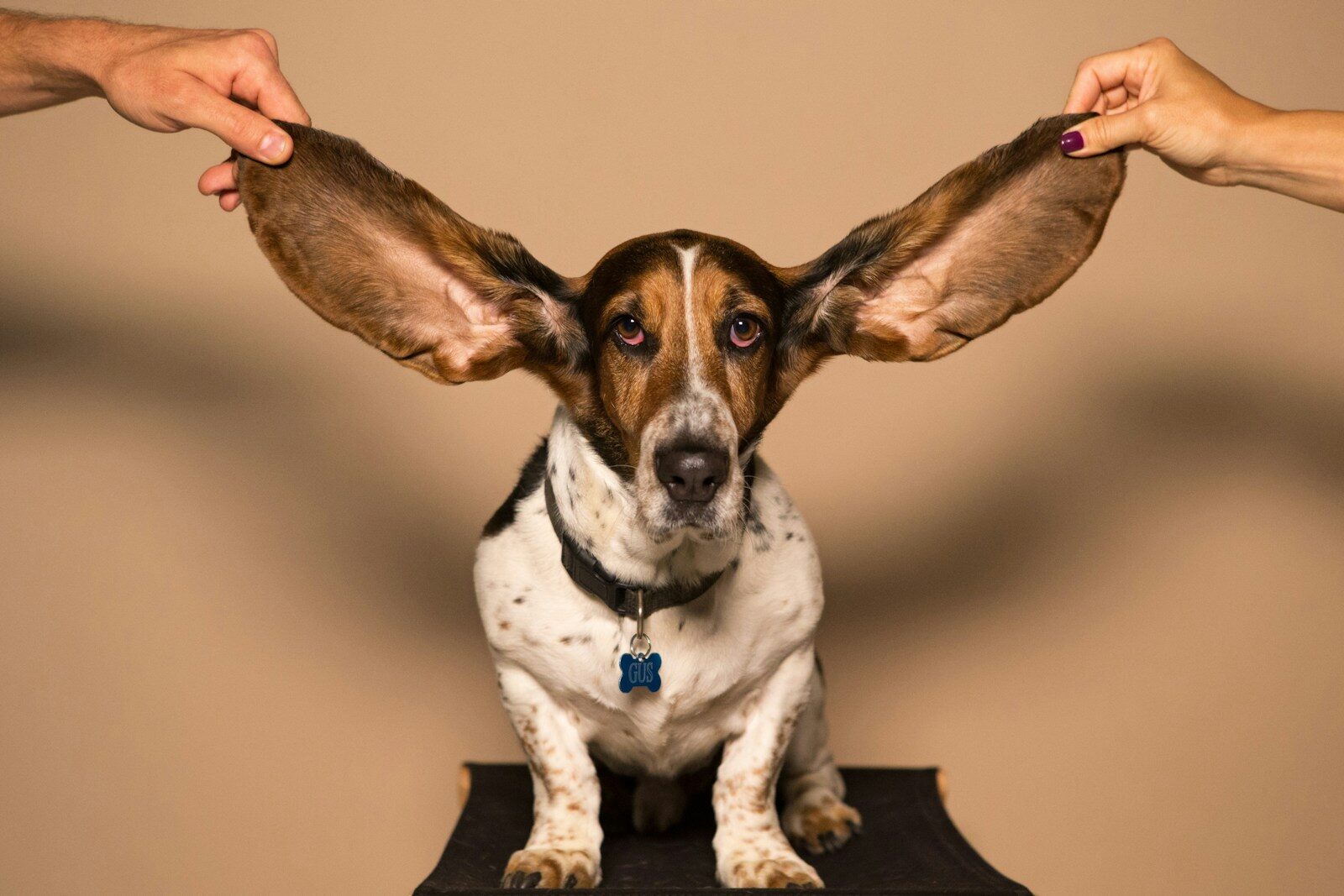
Before diving into cleaning, it’s helpful to understand the basics. Dogs have three ear canals: the external (visible part), the middle, and the inner. Each breed has different ear shapes and sensitivities. For instance, breeds like Cocker Spaniels or Basset Hounds are prone to more wax production, while others like those with floppy ears might be more susceptible to moisture-trapping and infection.
Signs Your Dog Needs an Ear Cleaning
Not all dogs need regular cleanings. Watch for these signs:
- Odor: Persistent bad smells from the ears.
- Redness or Swelling: Visible inflammation in the ear canal.
- Discharge: Yellowish, brownish, or reddish discharge.
- Foul Odor: A strong, unpleasant smell emanating from the ears.
- Excessive Scratching or Head Shaking: Frequent head shaking or scratching at the ears is a clear signal.
- Sensitive or Painful Ears: If your dog cries out when you touch their ears.
If you notice any of these, a vet check-up is recommended.
How Often Should You Clean Your Dog’s Ears?
The frequency depends on your dog’s breed, activity level, and any existing ear issues.
- Generally: Most dogs only need cleaning once every 1-3 months, or as needed based on the signs above.
- Highly Prone Breeds: Breeds with long, hairy ears (like Cocker Spaniels) might need more frequent cleaning.
- After Activities: After swimming or excessive rolling in dirt, a quick check might be needed.
Consult your vet for breed-specific advice during their annual check-up.
The Step-by-Step Guide to Cleaning
Gather Your Supplies
Keep it simple:
- Ear Cleaner: Use a vet-recommended cleaner or a gentle, pet-specific solution. Avoid harsh human cleaners.
- Cotton Balls or Wipes: Prepare fresh ones for each ear.
- Treats: To reward your dog!
Cleaning Process
- Calm Your Dog: Keep the session positive. Find a quiet spot.
- Check First: Gently pull back the ear flap (pinna) to inspect the ear canal opening. Look for redness, odor, or discharge.
- Clean the Outer Ear: Use a damp cloth or pet wipe to gently clean the outer ear (visible part).
- Use the Cleaner: Apply a small amount of ear cleaner directly into the ear canal. Use a cotton ball or gauze to gently wipe the outer part. Avoid using cotton swabs inside the ear canal, as they can push debris deeper.
- Massage: Gently massage the base of the ear for 15-30 seconds to help the solution work.
- Dry (If Needed): Some cleaners are drying; let the ears air dry or use a clean, dry cotton ball if recommended by the product.
- Reward: Offer a treat and plenty of praise!
Home Remedies: What Can You Use?
While vet-recommended solutions are best, some safe home options exist, but use with caution:
- Warm Water & Vinegar: Mix equal parts warm water and white vinegar. Use sparingly and only if your dog tolerates it well. Caution: Avoid in dogs with sensitive skin, open wounds, or ear infections.
- Apple Cider Vinegar: Some owners use diluted ACV, but vet approval is recommended.
- Witch Hazel: Diluted witch hazel can be gentle, but confirm it’s safe for your dog.
Important: Never use hydrogen peroxide, rubbing alcohol, or harsh shampoos. These can severely irritate your dog’s sensitive ears.
Choosing the Right Products
When selecting a cleaner, look for products specifically designed for dogs. These are pH-balanced and formulated to be effective without causing irritation.
- Pet Stores: Many Hamilton pet stores (like PetSmart or Pets’ Emporium) carry a range of gentle, Canadian-made brands.
- Vet Recommendation: Ask your veterinarian for specific product suggestions during your annual check-up.
Look for ingredients like diluted benzalkonium chloride or witch hazel in some gentle formulas.
When to See the Veterinarian
Even with regular cleaning, issues can arise. Seek vet care if:
- Persistent Symptoms: Signs like redness, odor, discharge, or pain don’t improve after a couple of cleanings.
- Trauma: Your dog has injured their ear.
- Behavioral Changes: Your dog is lethargic, losing appetite, or showing signs of pain beyond the ears.
- Fever: Elevated body temperature can indicate infection.
- Swollen Lymph Nodes: Noticeable swelling near the jaw or neck.
Common Ear Issues in Hamilton Dogs
- Otitis Externa: Inflammation of the outer ear canal, often caused by allergies, infections, or foreign bodies.
- Yeasty Infections: Can occur in dogs with floppy ears or allergies.
- Bacterial Infections: Often secondary to yeast infections or underlying conditions.
Regular check-ins with your vet, especially if your dog shows recurring issues, are crucial for maintaining ear health.
Gentle Alternatives and Canadian Brands
Beyond specific cleaners, consider gentle alternatives:
- Shampoos: Some dog shampoos contain oatmeal or soothing ingredients. Use as directed.
- Wipes: Pet-safe wipes can be used occasionally for quick cleaning.
- Canadian Brands: Look for reputable Canadian pet care brands known for gentle formulas, such as Nature’s Ride or Earth Rated, often found at local stores or online in Hamilton.
Final Tips for a Stress-Free Cleaning Experience
- Be Gentle: Dogs have very sensitive ears. Use minimal pressure.
- Be Patient: If your dog is anxious, take breaks. Make cleaning a positive experience.
- Consistency is Key: Regular, gentle cleaning prevents serious issues.
- Know Your Dog: Each dog is different. What works for one might not work for another.
Conclusion: Healthy Ears, Happy Dog
Proper ear care is a fundamental part of responsible dog ownership in Hamilton. By understanding the basics, using the right products, and knowing when to seek professional help, you can keep your dog comfortable and prevent potential health issues. Always consult your veterinarian for breed-specific advice and recommendations, ensuring the best care for your furry friend right here in Hamilton.