In this story
Gentle Years: Why Senior Dogs Need Special Care in Your Hamilton Home
When that energetic puppy you brought home a decade ago starts slowing down, it can be confusing—and sometimes upsetting—for both of you. Dogs age faster than humans, and their bodies change in ways that need understanding and care. If you’re a Hamilton pet owner with a senior dog, you’re probably noticing some shifts in their behaviour, energy levels, or physical abilities.
Good news? You can be a wonderful caregiver for your aging canine companion. With a little extra attention and understanding, you can help ensure those gentle years are happy, comfortable, and fulfilling for both of them. This guide will explore the special needs of senior dogs and offer practical ways to show them the Hamilton care they deserve.
What Defines a Senior Dog?
Before diving into care, it’s helpful to know when a dog becomes a senior. Of course, this varies greatly by breed and size:
* Small Breeds: Often considered senior around 10-12 years old.
* Medium Breeds: Typically seniors from about 8-10 years old.
* Large Breeds: Usually enter their senior years around 7-9 years old.
* Giant Breeds: Can be seniors as early as 5-6 years old!
Once your dog hits these age ranges, you’re likely to notice subtle (or sometimes not-so-subtle) changes in their daily life.
The Changing Landscape: Physical Changes in Senior Dogs
As dogs age, their bodies undergo changes similar to humans—just on a much faster timeline. Keep an eye out for these common physical shifts:
Common Signs of Aging
- Slower Pace: That bounding energy is replaced by a more relaxed, perhaps hesitant, walk. Stairs might become a challenge.
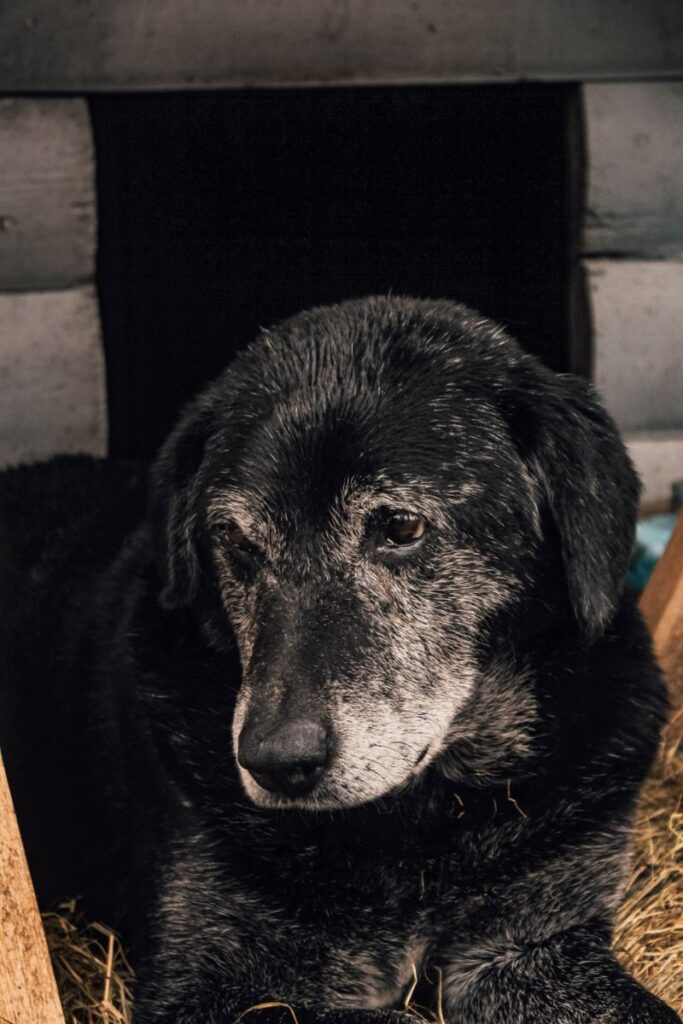
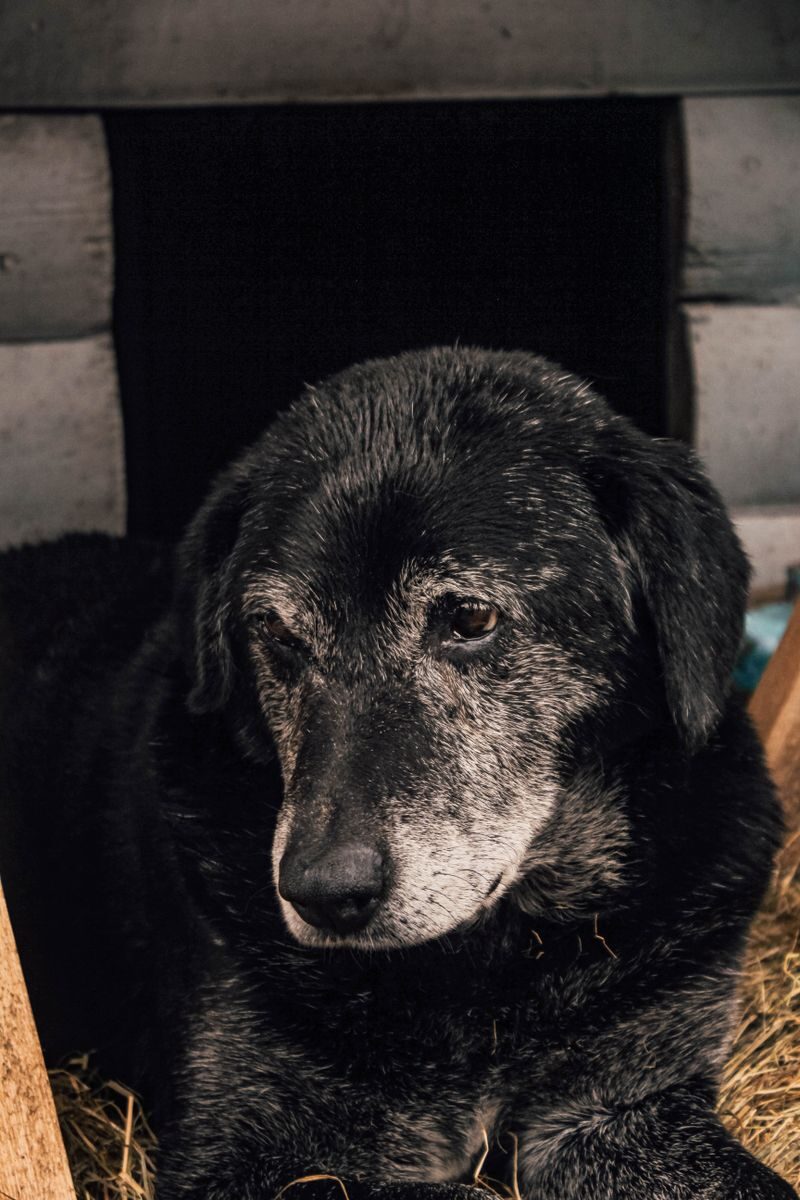
- Coat Changes: You might notice a thinner coat, especially in winter, or perhaps greys starting to appear around the muzzle or eyes.
- Teeth and Chewing: Dental issues become more common. Bad breath, reluctance to chew, or dropping toys can signal dental problems. Tartar control dog treats from small Canadian makers can be a gentle addition to their routine.
- Weight Fluctuations: Metabolism slows, making weight gain easier. Conversely, some dogs might lose weight due to dental pain or decreased appetite.
- Arthritis and Joint Issues: Stiffness, especially after rest or in cold weather, can be a tell-tale sign of arthritis. You might notice them sitting or lying down differently.
- Vision and Hearing Loss: Your dog might seem less responsive to cues or start bumping into things. Blue-tinted doggy glasses aren’t just a fun novelty; they can help with light sensitivity and cloudy vision.
Mobility Matters
Arthritis and muscle weakness are common concerns. Here’s how to help:
* Comfortable Surfaces: Consider cushioned ramps for accessing furniture or cars instead of stairs.
* Joint Supplements: Fish oil supplements or glucosamine can be beneficial, often available from local Hamilton pet stores or recommended by your vet.
* Warmth: Ensure they have a cozy, warm resting spot, especially in cooler parts of your home.
* Grooming Needs: Older dogs might find grooming more difficult or stressful. Gentle brushing can help with circulation and reduce hairballs, but don’t push them if they’re resistant.
Beyond the Body: Health Monitoring and Vet Visits
Senior dogs need more frequent check-ups with your Hamilton veterinarian. Aim for check-ups at least twice a year, or as recommended by your vet.
Eyes on the Future
- Cataracts: Cloudiness in the eyes. While common, cataract surgery can improve vision if necessary.
- Kidney/Liver Function: Regular blood tests can monitor these vital organs.
- Hormonal Changes: Thyroid issues or Cushing’s disease can develop and need diagnosis and management.
- Tip: Keep a log of any changes in behaviour, appetite, thirst, or urination patterns between vet visits. This information is invaluable for your vet.
Adjusting Diets for a Senior Dog
Nutrition needs change significantly for older dogs.
Food for Thought
- Caloric Needs: Reduce calories slightly to prevent weight gain, which puts extra strain on aging joints and organs.
- Protein Quality: Ensure high-quality protein to maintain muscle mass.
- Joint Support: Look for foods with glucosamine or omega-3 fatty acids.
- Dental Sensitivity: Some seniors might prefer softer food or have dental issues; consult your vet.
- Kidney Health: Low phosphorus options may be recommended if kidney function declines.
Hydration is Key
Encourage water intake. Consider adding water to their kibble or using interactive water bowls designed to keep pets hydrated.
Exercise: Less is More, but Don’t Stop Completely
You don’t need to suddenly stop exercising your senior dog. Adjustments are key:
Gentle Strokes
- Shorter Walks: Frequent, shorter walks can be better than infrequent long ones. Choose quieter, flatter paths in Hamilton’s parks.
- Low-Impact Activities: Swimming or hydrotherapy can be excellent for joint pain.
- Listen to Them: If your dog shows signs of fatigue, pain, or reluctance, end the walk. Never push them.
- Mental Stimulation: Keep their minds active with puzzle toys or simple training sessions. A trip to a familiar spot in the Salmon Creek Dog Park can also provide enrichment.
Training Evolution
Cognitive decline can occur in older dogs, sometimes referred to as ‘Canine Cognitive Dysfunction’ similar to dementia in humans.
Patience and Positives
- Routine is Crucial: Maintain a consistent schedule for feeding, walks, and bedtime.
- Simple Commands: Focus on basic commands they know well. Avoid overwhelming them with new tricks.
- Patience: Forget training for fun; focus on reinforcing good behaviour calmly.
- House Training: Accidents may become more frequent as bladder control weakens. Indoor accidents should be cleaned with an enzymatic cleaner to prevent odour and discourage repeat behaviour.
Comfort and Safety at Home
Creating a safe and comfortable environment is paramount.
Cozy Corners
- Resting Places: Ensure they have soft, warm bedding in a quiet part of your home.
- Accessibility: Make sure they can access food, water, and the door to go outside comfortably.
- Supervise: Keep an eye on stairs or slippery floors.
- Temperature Control: Senior dogs are often more sensitive to temperature extremes. Ensure they’re warm in winter and have access to cool, shaded areas in summer.
Finding Support in Hamilton
Caring for a senior dog is a rewarding journey. While we can’t stop the aging process, we can provide the love, comfort, and attentive care they need during their golden years.
Remember, every dog is an individual. Consult your veterinarian for breed-specific and individual health advice. With your knowledge and care, your Hamilton senior dog can enjoy many happy, comfortable years by your side.
Did you find this guide helpful? Share your experiences caring for a senior dog in the comments below!