In this story
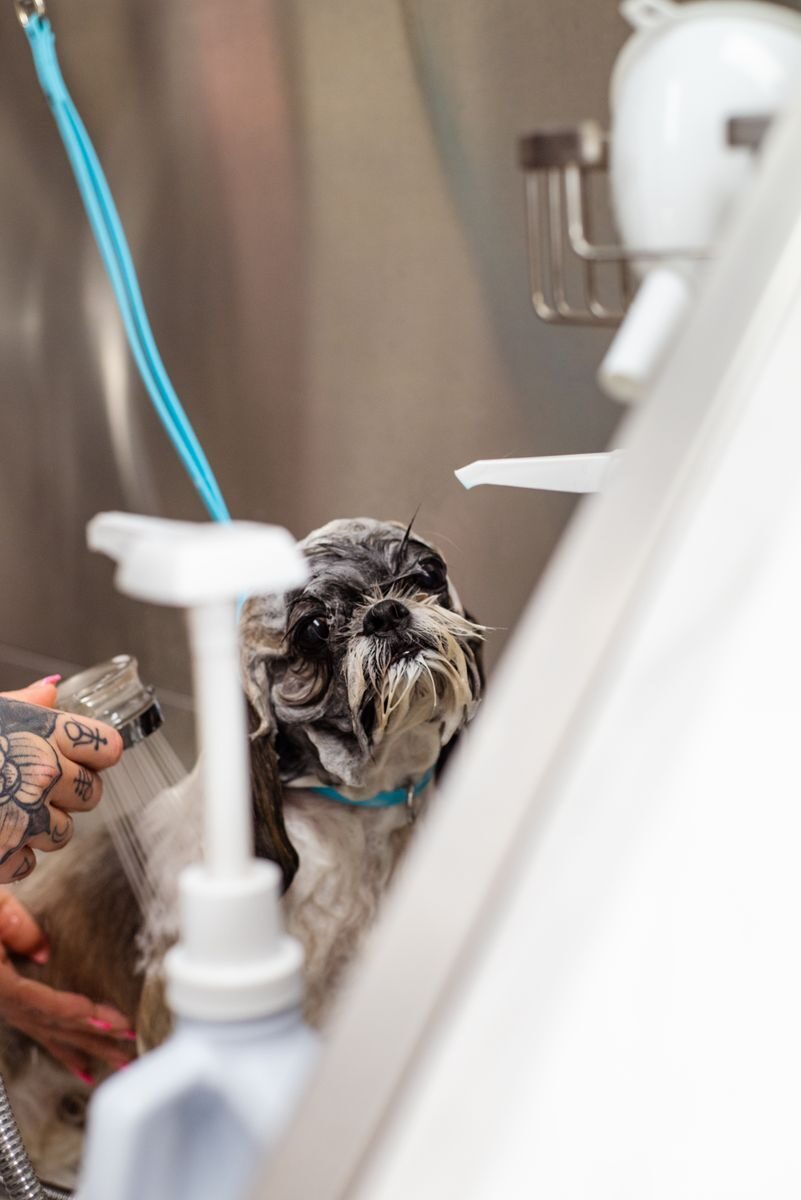
How Often Should You Bathe Your Dog in Mississauga? A Practical Guide
Owning a dog in Mississauga brings endless joy, from exploring local parks like Credit River Dog Park to cozying up for snow days. But with that comes responsibility, and maintaining your furry friend’s hygiene is key. Bathe your dog, and you’ll wonder why you didn’t start sooner!
Many Mississauga dog owners wonder, “How often should I bathe my dog?” There’s no one-size-fits-all answer, but understanding the factors involved will help you find the right schedule for your unique canine companion. This guide provides practical advice to keep your dog clean and comfortable throughout the seasons of Southwestern Ontario.
Beyond the Basics: Understanding Your Dog’s Unique Needs
The frequency of bathing depends on several factors specific to your dog. Think of it less like a strict timetable and more like a personalized care plan.
Coat Type Matters
- Short-coated breeds (e.g., Beagle, Boxer, Labrador): These dogs typically only need bathing every 2-3 months, unless they get particularly dirty or develop a noticeable odour. Their coat naturally repels dirt.
- Medium-to-long coated breeds (e.g., Labrador Retriever, Golden Retriever, German Shepherd, Shih Tzu): These require more frequent grooming, including baths. Expect to bathe them every 4-8 weeks, depending on their individual activity level and coat condition.
- Double-coated breeds (e.g., Husky, Collie, German Shepherd): Their coat is designed to shed and protect. Over-bathing can strip the natural oils, leading to dry skin. These dogs might only need bathing a few times a year, focusing on removing mats and debris rather than frequent washing.
Breed and Individual Differences
- Hypoallergenic breeds (like Poodles or Schnauzers): While often bred for reduced shedding, they still need regular bathing to manage skin issues and prevent matting.
- Older dogs or those with skin sensitivities: They may need more frequent, gentler baths but less often overall depending on the vet’s advice.
Lifestyle and Activity Level
- Active outdoor dogs: Dogs that spend lots of time exploring Mississauga’s parks, woods, or near Lake Ontario may pick up dirt, mud, and potentially debris more quickly. They might benefit from slightly more frequent baths or spot cleaning.
- Indoor dogs: Dogs that stay mostly inside might only need bathing seasonally or when they develop a noticeable smell or get into something particularly messy.
Health Considerations
- Skin problems: If your dog has greasy skin, redness, itching, or visible sores, more frequent, medicated baths might be necessary under a vet’s guidance.
- Anal gland issues: Some dogs prone to impacted glands might benefit from regular, gentle cleaning, but check with your vet first.
- Flea and tick prevention: While not a reason to bathe more frequently, regular bathing can help manage fleas and ticks, especially during warmer Mississauga months.
When It’s Time for a Bath Beyond Dirt and Odour
Even if your dog looks clean, certain signs indicate it’s time for a bath:
* Persistent bad smell: If home cleaning doesn’t help, a bath is needed.
* Visible dirt or excessive oil: Mud, sticky residue, or general grime.
* Matting: Especially around the legs, chest, or tail. Severe matting requires professional grooming.
* Getting into something messy: From chemicals to pond water or garbage, a bath might be necessary.
* After a bath or swim: Especially in natural water bodies, a rinse might be needed to remove chlorine, salt, or bacteria.
The DIY Dilemma: Bathing at Home vs. Professional Grooming
Choosing between home bathing and taking your dog to a professional groomer depends on your comfort level and your dog’s needs.
Home Baths: Pros and Cons
- Pros: Saves money, convenient, allows you to ensure the bath happens. Good for occasional baths.
- Cons: Requires effort, time, and patience. Some dogs are stressed by the experience. You need proper equipment and knowledge to bathe safely.
Professional Grooming: Pros and Cons
- Pros: Trained professionals handle bathing, drying, and often include nail trimming, ear cleaning, and hair clipping, especially for long-coated breeds. Many offer flea and tick treatments. Can be less stressful if your dog dislikes baths.
- Cons: Can be expensive. Less control over the products used.
Choosing the Right Shampoo and Products
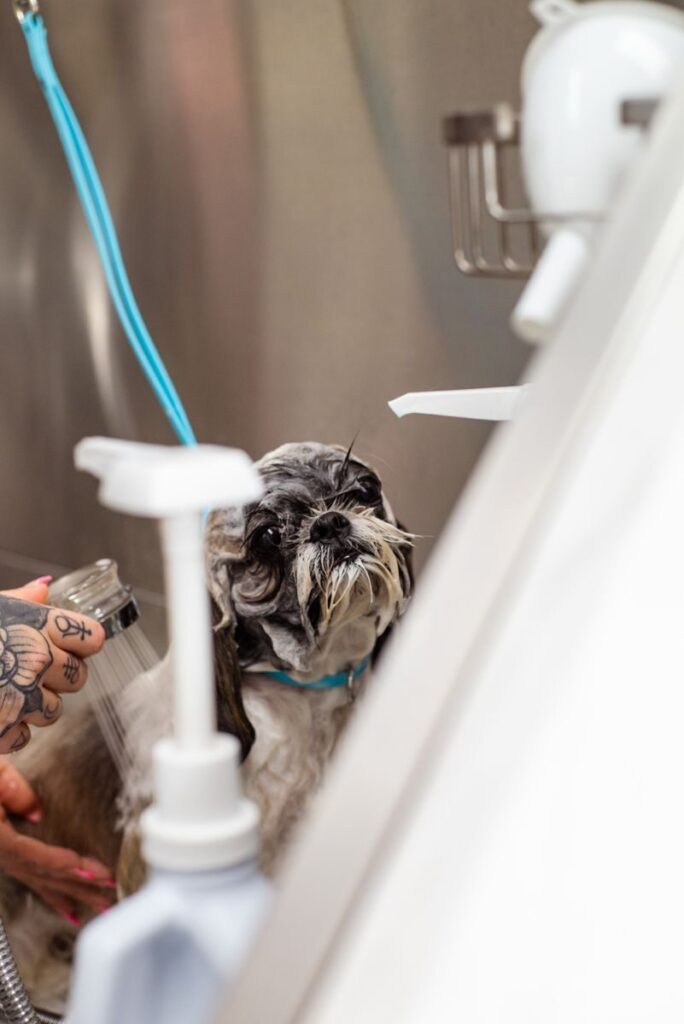
Using the wrong shampoo can be harsh on your dog’s skin. Always choose a canine-specific product:
* For general cleaning: Use a gentle, pH-balanced dog shampoo. Avoid human shampoos, which are too harsh.
* For flea and tick treatment: Consult your vet about appropriate treatments integrated into your bathing routine, or consider vet-recommended spot-on treatments.
* For sensitive skin: Your vet might recommend a medicated or hypoallergenic shampoo.
* Ear cleaning: Use an ear cleaning solution recommended by your vet, not shampoo. Over-cleaning ears with shampoo can cause irritation.
* Eye cleaning: Use a damp cloth or pet-safe eye cleaner for mild cleaning. Avoid harsh products.
Don’t Forget the Essentials
- Water temperature: Lukewarm water is best. Avoid extremes.
- Shampoo: Choose appropriately and rinse thoroughly.
- Drying: Towel dry or use a hairdryer on a low, cool setting (if your dog tolerates it). Don’t leave a dog wet and shivering.
- Frequency of ear cleaning: Most dogs don’t need ear cleaning with every bath. Spot clean as needed.
Seasonal Adjustments for Mississauga’s Climate
Living in Southwestern Ontario means adapting your bathing routine to the seasons.
Spring and Summer
- Increased activity: More time outdoors means more potential for dirt and odours.
- Pond dipping: A popular Mississauga activity can introduce mud and potentially parasites. A bath afterwards is recommended.
- Coat shedding: More frequent brushing is essential during shedding seasons (typically spring and fall).
Fall and Winter
- Coat management: Long-coated dogs need regular brushing to prevent matting, even if baths are less frequent. Snow and slush can dirty coats.
- Salt and de-icers: Be mindful of these on paw pads. While occasional exposure is okay, excessive licking might warrant occasional paw cleaning.
- Indoor air: Central heating can dry the air, potentially affecting your dog’s skin. Occasional moisturizing baths might be beneficial, but check with your vet.
Key Takeaways: Finding Your Rhythm
Finding the right bathing frequency for your Mississauga dog isn’t about strict rules but understanding their individual needs.
- Start with less: Many dogs don’t need as frequent baths as people think. Over-bathing can strip natural oils and cause skin problems.
- Listen to your dog: Observe their coat, skin, and overall comfort.
- Consult your vet: If you’re unsure about your dog’s specific needs or have health concerns, always ask for professional advice.
- Prioritize quality: Use gentle, canine-appropriate products and ensure proper rinsing.
- Be consistent: Regular brushing and occasional spot cleaning can extend the time between full baths.
Keeping your dog clean and comfortable in Mississauga is about finding a balance that works for your unique dog and lifestyle. By considering their coat, health, and activity, you’ll develop a bathing schedule that keeps your best friend happy and healthy all year round.
Related posts:
 How Often Should You Bathe Your Dog in Montreal?
 Keep Your Dog’s Paws Happy: A Guide to Trimming Nails in Mississauga
 Rainy Day Dog Essentials: Staying Cozy in Mississauga
 Gentle Paws: Understanding and Caring for Your Senior Dog in Mississauga
 How Often Should Your Dog Visit the Vet? A Mississauga Guide