In this story
Why a Reliable Recall is Crucial in Winnipeg
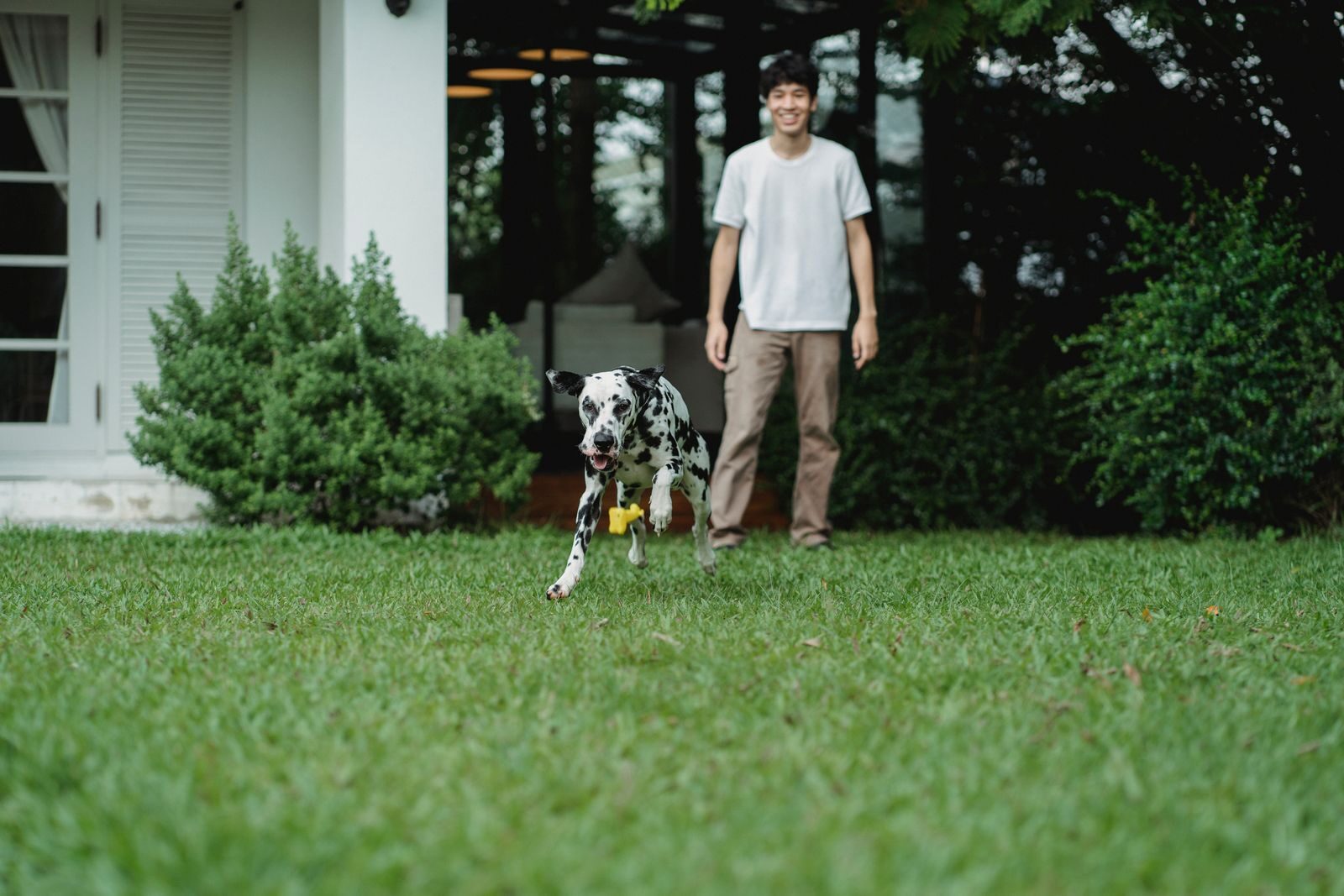
A dependable recall – when your dog comes reliably when called, especially off-leash – is one of the most valuable skills you can teach your Winnipeg companion. In our unique city environment, this skill becomes even more essential.
Winnipeg’s diverse seasons bring specific challenges:
* Winter: Snow, ice, extreme cold, potential for paws to get stuck, hidden hazards (icy patches, dropped items), increased indoor time leading to excitement if doors are left open. A dog that doesn’t reliably come when called off-leash could explore onto icy roads or ingest something dangerous.
* Summer: Increased traffic, more opportunities for dogs to chase cars or other animals, busy parks, potential for getting into things they shouldn’t (like garbage or ponds).
* Urban Parks: Whether it’s Kildonan Park, Osborne Park, or one of our many ravine parks, dogs can easily get distracted by sights, sounds, and smells.
Beyond safety – preventing your dog from darting into traffic, running into a pond, or getting lost – a reliable recall strengthens your connection. It shows your dog that you are the most important person in their world, reinforcing trust and communication.
The ‘Come’ Command: More Than Just Obedience
Think of a reliable ‘come’ command as your emergency brake. It’s about ensuring your dog checks in with you voluntarily, even when highly stimulated or tempted by something else. This is vital for:
* Situational Awareness: Knowing where your dog is at all times, especially near roads or bodies of water.
* Preventing Accidents: Giving you the ability to recall your dog before a dangerous situation escalates.
* Managing Excitement: Redirecting enthusiastic behaviour towards you instead of the source of excitement.
Getting Started: The Foundation
Training a recall requires patience, consistency, and positive reinforcement. Here’s how to begin:
1. Start Short and Sweet
- Keep it Fun: The goal is for your dog to associate coming to you with fun, not pressure.
- Choose the Right Moment: Pick a time when your dog is relaxed, maybe just finished playing or is slightly focused on you.
- Use a Clear Cue: Choose a distinct, consistent verbal cue like “Come!” or “Here!”. Avoid lengthy phrases or confusing words.
- Lure with High Value: Use something your dog finds incredibly motivating. This could be:
- Their favourite toy (a tug rope or flirt pole)
- A specific high-value treat (small pieces of chicken, hot dog slices, cheese – consider small Canadian brands like Nature’s Path for treats if desired)
- Gentle petting or praise
2. Capturing the Behaviour
- Be Patient: You might not teach it formally right away. “Capturing” means rewarding a behaviour as it happens naturally.
- Cue and Reward: Say your chosen recall cue (e.g., “Come!”)) while gently guiding their collar or harness towards you, or holding the lure close to you. If they start moving towards you or take a step or two, reward enthusiastically!
- Reward Immediately: As soon as they obey, mark it (a click!) and give a massive reward.
- Repeat: Continue capturing instances where they respond well. End on a success.
3. Formal Training Sessions
- Short and Frequent: Keep sessions brief (2-5 minutes) and multiple times a day. Dogs learn better in short bursts.
- Use the Lure Initially: Continue using the lure or treat to guide them towards you. Fade the lure gradually as they get better.
- Increase Distance: Once they reliably come from a few feet away on cue, slowly increase the distance.
- Add Distractions: Practice in different areas of your yard, then gradually introduce low-level distractions (like another person calmly walking nearby).
- Vary Conditions: Practice in different weather (if appropriate and safe) and times of day.
Winnipeg-Specific Considerations
- Winter Challenges: Training in cold weather requires extra care.
- Bundle Up: Ensure your dog is properly kenneled or has a suitable jacket if they need to wait.
- Shorter Sessions: The cold can tire dogs quickly. Keep sessions short.
- Indoor Focus: Prioritize training indoors first. Use high-value indoor toys or treats.
- Safety First: Never leave your dog unattended outside unsupervised, especially in inclement weather.
- Multi-Pet Household: If you have other dogs or cats, ensure they aren’t too stimulated or fearful during training. Sometimes separate training sessions or a safe room for them is best.
- Off-Leash Areas: Utilize designated off-leash areas like parts of Kildonan Park when you can practice recall in a more stimulating environment.
Common Challenges and Solutions
1. Your Dog Doesn’t Seem Motivated by Ticks or Toys
- Try Different Rewards: Every dog is different. Experiment with various high-value foods, toys, and praise.
- Pair Rewards: Combine a treat with enthusiastic praise.
- Focus on the Fun: Make the game of coming fun for itself.
2. They Come Partway
- Keep it Positive: Reward only full compliance. If they stop halfway, wait patiently (or lure them the rest of the way) and try again.
- Gradual Progress: Build distance slowly.
3. Distraction is Too High
- Start Low: Don’t jump to high-distraction areas until they are reliable in quieter settings.
- Gradual Exposure: Increase distractions slowly.
- Manage the Environment: Sometimes, briefly closing a door or asking another person to be quiet can help.
4. Relapses
- Consistency is Key: Keep practicing, even if progress seems slow sometimes.
- Reinforce Good Behaviour: Reward reliably when they do come.
- Avoid Punishment: Never punish a dog for not coming. This creates fear and ruins the association. Focus only on rewarding the desired behaviour.
Maintaining a Reliable Recall
Training is only the beginning. Consistency is vital for maintaining the recall:
* Practice Regularly: Keep reinforcing the cue daily, even in everyday situations.
* Use the Cue Appropriately: Start using “Come!” for real-world situations where they might bolt, like before opening the door, seeing a squirrel, or entering a busy park.
* Off-Leash Practice: Gradually build up time playing off-leash in safe, controlled off-leash areas when they respond reliably.
* Be Patient: Building a reliable recall takes time and effort. Celebrate small successes.
Final Thoughts for Winnipeg Dog Owners
Training a reliable recall is an investment in your dog’s safety and your peace of mind as a Winnipeg pet owner. It requires patience, consistency, and a focus on positive reinforcement. Start small, keep sessions fun, and gradually build the skill. Before long, you’ll have a dependable partner who knows the importance of checking in, whether it’s chasing a snowball in the park or avoiding traffic. Winnipeg’s unique environment makes this skill particularly valuable, ensuring you and your best friend can enjoy all the city has to offer safely together.