In this story
How to Train a Reliable Recall in Edmonton
Our city offers countless adventures, from exploring Stanley Park to enjoying scenic walks along the river. But one of the most crucial skills you can teach your dog is reliable recall. A dependable recall ensures everyone’s safety, especially when exploring Edmonton’s beautiful parks and trails. This guide offers practical, step-by-step methods to help you build a strong recall response.
Why a Reliable Recall Matters in Edmonton
In a city surrounded by green spaces, a dog that comes when called isn’t just a trained command; it’s a safety net. Whether you’re enjoying a walk at MacEwan Hall Park, exploring the grounds near the Edmonton Folk Music Festival, or just relaxing in your own backyard, a reliable recall can prevent potentially dangerous situations. It allows you to:
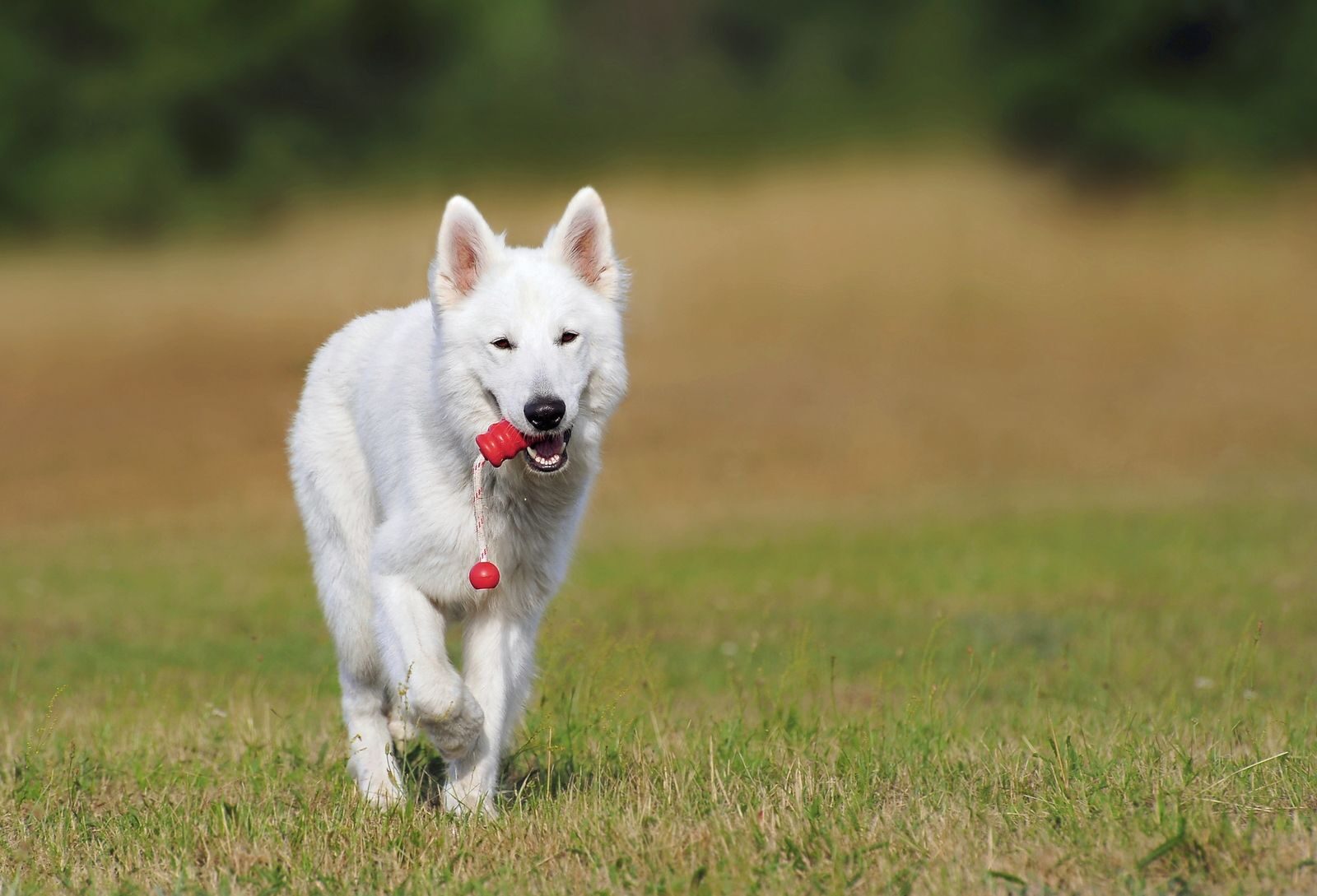
- Retrieve objects: Ask your dog to bring back a ball or toy.
- Keep them safe: Quickly bring your dog back if they wander near traffic, construction zones, or other hazards.
- Manage unexpected events: Recall can be vital if another dog approaches unexpectedly or if you need to move quickly.
Think of it as your dog’s personal emergency button for moments when their natural wanderlust might take over, especially during Edmonton’s long, beautiful seasons.
Building the Foundation: The ‘Come’ Command
Start by teaching the basic ‘Come’ command in a low-distraction environment. Here’s how to begin:
1. Keep Training Sessions Short and Positive:
*   Dogs learn best with short bursts (5-10 minutes) of focused attention. Too long, and they may lose interest or become overwhelmed.
*   Always end on a successful note to keep your dog motivated.
2. Use High-Value Rewards:
*   What gets your dog excited and working for you? Food, praise, play? Use the best reward available *for your specific dog*. Small, soft treats (like small pieces of chicken, specific dental chews, or small commercially available treats) work well. Keep treats handy!
*   *Edmonton Tip:* You can find many excellent, locally made treat options in Edmonton, but focus on the *value* for your dog, not specific brands.
3. Start Close and Quiet:
*   Stand a few feet away from your dog and say "Come" or "Here" in a happy, enthusiastic tone.
*   Reward *immediately* if they take even a small step towards you. Praise lavishly.
*   Repeat until they consistently move towards you. Keep sessions brief.
4. Gradually Increase Difficulty:
*   Once they reliably come from a few feet, slowly increase the distance.
*   Use a slightly longer duration of time before rewarding.
*   Introduce minimal distractions, like another person standing nearby.
5. Be Patient and Consistent:
*   This is a fundamental skill that takes time and repetition. Celebrate small successes.
*   *Crucially:* Never use the "Come" command negatively or in situations that are likely to fail. Keep it positive.
Making Recall Reliably Edmonton-Proofed
Once the basic “Come” is established, you need to practice in environments with increasing distractions, just like Edmonton’s parks and paths.
1. Introduce Controlled Distractions:
*   Practice near other dogs on leash (who are friendly and calm).
*   Use toys or treats meant to distract your dog.
*   Practice in different parts of your own yard.
*   *Edmonton Context:* Think about distractions you might encounter: other dogs playing fetch at Muttshack Park, the scent of a park bench, sounds of traffic near the river.
2. Use a Long Leash (Leverage):
*   Attach your dog to a long leash (e.g., 6-15 foot retractable leash) *after* they have successfully responded to the recall command. This gives them physical guidance towards you without preventing independent movement or rewarding pulling.
*   Say "Come", wait for their response, then gently guide them the rest of the way using the leash.
*   *Edmonton Advantage:* Especially useful during winter walks near paths where visibility might be slightly reduced or on uneven ground.
3. Vary the Recall Cues (Optional but useful):
*   Sometimes using just the word "Come" isn't enough. Try adding a distinct body language cue, like a light pat on the leg, or a specific hand signal (like gently touching your own chest and bringing your hand down to your side).
*   Use a unique, happy sound or tone for recall to make it more distinct.
4. Focus on the Reward:
*   Ensure the reward is truly high-value and given immediately upon arrival. This is the most critical part.
*   The reward should be something they genuinely want *more* than whatever is distracting them.
5. Manage the Environment (If Necessary):
*   In extreme situations, you might need to use a marker (like a clicker or "Yes!") and then offer the reward yourself if your dog is ignoring the recall. This is "capturing" the desired behavior.
*   You can also temporarily block the view or sound of a major distraction (like using a pop-up canopy in your yard) to help your dog focus.
6. Exaggerate the Fun (for recall):
*   When practicing recall, make it extra exciting! Run towards your dog, use your most enthusiastic tone, and bring the biggest treat. This helps them associate recall with fun.
*   *Edmonton Idea:* Turn recall practice into a game. "Come get the treat!" thrown a short distance, or a quick game of fetch.
Common Edmonton Challenges and Solutions
Our beautiful city offers wonderful distractions!
- Dog Parks (like Muttshack): High energy, lots of dogs. Practice recall before entering the park or use a secure, shorter leash initially. Keep sessions positive and brief.
- Parks near Water (like Churchill Park by the river): The sound and sight of water can be distracting. Practice recall near water sources separately, perhaps at the dog beach if available.
- Seasonal Changes: Edmonton’s long winters mean potential snow and ice. Ensure your recall works in various weather conditions. If visibility is low, focus on the sound of your command and the reward.
Making Recall Stick: Ongoing Practice and Maintenance
Training doesn’t end once you reach your goal. Recall can fade if not maintained:
- Daily Short Sessions: Practice a few times a week for a few minutes. Consistency is key.
- Random Practice: Vary when and where you practice. This helps generalize the skill.
- High-Value Rewards: Keep using those valuable treats or activities.
- Real-World Scenarios: Continue practicing in increasingly challenging environments.
- Patience: Remember, dogs learn at their own pace. Celebrate progress and don’t get discouraged if there are setbacks.
Wrapping Up: A Safer Edmonton for Everyone
Training a reliable recall is an investment in your dog’s safety and strengthens your bond. By starting early, using positive reinforcement, gradually increasing distractions, and practicing consistently, you can achieve a recall that makes Edmonton adventures safer for everyone. Happy training!